NCPS
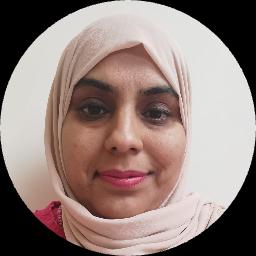
Ayesha Mirza, NCPS
Therapist in the UK
Ayesha is a NCPS therapist in the UK.
- 4+ years of experience
- Focus areas include Stress, Anxiety, Relationship issues
- Approaches include Client-Centered Therapy
See availability and next steps on BetterHelp.
About Ayesha
She draws on four years of practice experience, including time working within an NHS agency. That experience has included supporting people with self-esteem and motivation, and helping those coping after sexual assault and abuse. She also works with concerns such as obsessive thoughts, phobias and the specific strains of adoption or foster care.
Ayesha is registered as NCPS, which appears as her professional credential. She offers sessions to people based in the United Kingdom and accepts international clients who prefer to work in English, Punjabi or Urdu. Sessions are offered via video calls, phone, live chat or text-based messaging.
In early sessions she focuses on understanding what matters most to each person and on practical steps they can try between meetings. She encourages gentle experiments and small changes rather than big commitments up front. This helps people build confidence and see progress in everyday life.
Practical matters such as arranging sessions and payment use a subscription model that can be cancelled at any time. To begin, people complete a short matching questionnaire and then schedule sessions based on the therapist's availability.
Areas of expertise
Experience
4+ years
Credentials
NCPS
Languages
English, Punjabi, Urdu
Focus areas
Client-centred support through online therapy
A key part of Ayesha's practice is Client-Centred Therapy. This approach centres on listening closely and helping people make sense of their own experience. It is useful for anxiety, low mood, relationship stress and the emotional impact of trauma because it focuses on the person's priorities and pace.Finding the best approach is collaborative. The therapist will discuss goals, preferences and practical needs, and together they will choose ways of working that suit the person. That collaborative process helps tailor sessions to issues like self-esteem, compulsive thoughts or coping after abuse.
Online therapy here uses a mix of video calls, phone sessions, live chat and text-based messaging. Video calls are good for face-to-face conversation and working through feelings. Phone sessions can be simpler when bandwidth is limited or a camera is not wanted. Live chat or messaging can suit short check-ins, quick coping tips or people who prefer to write rather than speak. These options make it easier to fit therapy around work, family life and different time zones.
Frequently asked questions
What issues does she help with?
She works with stress, anxiety, relationship concerns, trauma and abuse, self-esteem and depression, plus a range of related issues such as OCD, phobias and postpartum depression.
How would you describe her therapeutic style?
She uses Client-Centred Therapy, which focuses on listening, understanding and helping people find their own solutions rather than giving advice.
What is her background and experience?
She has four years of clinical experience and has previously worked in an NHS agency supporting people with trauma, low mood and relationship difficulties.
Where is she based and what credential does she hold?
She is based in the United Kingdom and lists NCPS as her professional credential.
Which languages are available for sessions?
Sessions are offered in English, Punjabi and Urdu.
What session formats are offered?
People can work with her via video calls, phone sessions, live chat or text-based messaging according to their preference.
How does payment and cost work?
Cost varies with location and therapist availability; sessions use a subscription that can be cancelled at any time.
How do I begin working with her?
Start by selecting the Start Therapy button, complete a short matching questionnaire, and then schedule sessions based on the therapist's availability.