HCPC
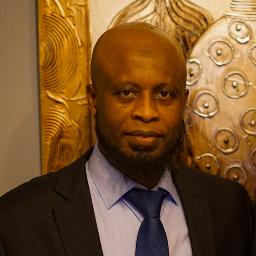
Dr. Ibrahim Ndabavunye, HCPC
Therapist in the UK
Ibrahim is a HCPC therapist in the UK.
- 17+ years of experience
- Focus areas include Stress, Anxiety, Trauma and abuse
- Approaches include Acceptance and Commitment Therapy (ACT), Attachment-Based Therapy
See availability and next steps on BetterHelp.
About Ibrahim
Dr Ndabavunye uses straightforward, practical conversations to help people manage symptoms and make changes. Sessions focus on what is most important to the person and on small steps that can be tried between appointments. He aims to create a calm, respectful space where someone can say difficult things and be heard.
He draws on a mix of therapies to match each person’s needs. That can include approaches that look at thoughts and behaviours, ways to build healthier emotional bonds, and strategies to accept difficult feelings while moving toward meaningful goals. Treatment plans are adapted as progress is made.
Over 17 years he has worked across public and private settings in the UK. That experience informs his practical approach to common problems such as trauma, grief, anger and compassion fatigue. He also pays attention to cultural background and how it shapes experience.
Sessions are offered through video, phone, chat or text messaging to suit different schedules. The first meeting focuses on what someone most wants to change and on agreeing simple, realistic steps to try.
Areas of expertise
Experience
17+ years
Credentials
HCPC
Languages
English, French
Focus areas
See all focus areas
How these approaches work online
Acceptance and Commitment Therapy helps people notice and accept difficult thoughts and feelings while taking steps that match their values. It often suits those facing anxiety, depression or life changes. Cognitive Behavioral Therapy focuses on identifying unhelpful thoughts and testing new behaviours to reduce symptoms such as worry, low mood or sleep problems. Attachment-Based Therapy looks at how early relationships shape current patterns with others and can be useful for relationship, intimacy and family-related concerns.Choosing the right approach is part of the work together. The therapist will listen to the person's goals and preferences, then suggest one or more methods to try. Decisions are collaborative and plans are adjusted as progress is made.
Online therapy with video, phone, live chat or text-based messaging offers practical flexibility. Video calls are close to an in-person meeting and suit deeper conversations. Phone sessions use less bandwidth and can fit into a workday break. Live chat or text messaging supports shorter check-ins and ongoing reflection between sessions. These options make it easier to fit therapy around life and to keep contact when schedules or locations change.
Frequently asked questions
What kinds of issues does Dr Ndabavunye help with?
He helps people with stress, anxiety, trauma and abuse, anger, depression and coping with life changes, among other concerns.
What is his therapeutic style like?
Sessions are practical and person-focused, using clear conversation and small steps to test new ways of coping between appointments.
How much experience does he have?
He has 17 years of experience working in mental health services across public and private settings in the United Kingdom.
What credentials and location are listed?
He is registered with HCPC and works from the United Kingdom.
Which languages are supported for sessions?
Sessions are offered in English and French and international clients are accepted.
What session formats are available?
Appointments can be held by video calls, phone sessions, live chat or text-based messaging.
How are costs handled?
Cost varies with location and therapist availability; sessions use a subscription model that can be cancelled at any time.
How do I begin working with him?
Click the Start Therapy button, complete a short matching questionnaire, and schedule sessions according to the therapist's availability.