BACP
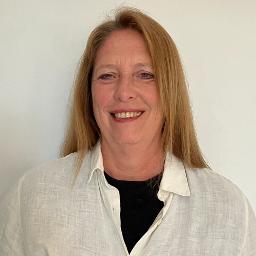
Marita Lashko, BACP
Therapist in the UK
Marita is a BACP therapist in the UK.
- 13+ years of experience
- Focus areas include Stress, Anxiety, Trauma and abuse
- Approaches include Client-Centered Therapy, Psychodynamic Therapy
See availability and next steps on BetterHelp.
About Marita
Her background includes helping people cope with anxiety, grief and loss, depression, trauma, low self-esteem and self-harm. She also supports people facing relationship strain, parenting pressures, anger and career or life changes. That practical experience shapes how she plans sessions and sets realistic goals.
Marita uses an integrative style with a strong person-centred foundation. She draws on solution-focused ideas to set clear steps, psychodynamic thinking to notice repeating patterns, and trauma-focused methods when past hurts affect daily life. She also uses mindfulness and simple psychoeducation to explain how the mind and body interact.
Sessions are conducted with warmth and respect. Conversations aim to create space to reflect, notice unhelpful patterns and practise small changes. Time is taken to agree achievable goals and to plan practical next steps.
Marita describes her work as compassionate and non-judgemental. She emphasises steady progress rather than quick fixes, and supports people who want to understand themselves better and find clearer ways forward.
Areas of expertise
Experience
13+ years
Credentials
BACP
Languages
English
Focus areas
See all focus areas
How Marita’s approaches work online
Marita draws on client-centred work to place the person’s experience at the heart of sessions. That means the conversation follows what matters to the client, with the counsellor offering empathy and gentle reflection to help people feel heard and make sense of feelings.She also uses trauma-focused methods when past events continue to cause distress. In practice this can mean pacing conversations carefully, offering grounding ideas and helping people notice how past experiences shape current reactions.
Finding the right approach is part of the process. The therapist will work together with the client to choose which methods fit best, based on the person’s needs, goals and preferences. Plans can change as progress is made and new priorities appear.
Online formats include video calls, phone sessions, live chat and text messaging. Video allows face-to-face conversation and visual cues, phone calls can be less demanding on bandwidth, live chat suits shorter check-ins and text messaging works for ongoing reflections between sessions. These options make it easier to fit therapy around work, family and other commitments, and to choose the way of talking that feels most comfortable.
Frequently asked questions
What concerns does Marita commonly help with?
She helps people with stress, anxiety, trauma and abuse, grief, low self-esteem and depression, plus relationship strain, parenting pressures, anger, career matters and coping with life changes.
How would you describe her therapeutic style?
Her style is integrative with a person-centred base. Sessions are warm, respectful and focused on practical steps and understanding patterns.
What is her professional background?
She has 13 years of experience working in a doctors' surgery, a low-cost charity, private practice and in schools, supporting parents, staff and pupils as part of that work.
What credential does she hold and where does she practise?
She is registered with the British Association for Counselling and Psychotherapy, BACP, and practises in the United Kingdom.
Can sessions be held in languages other than English?
Sessions are offered in English.
What session formats are available?
She works with video calls, phone sessions, live chat and text-based messaging to suit different needs and schedules.
How are sessions paid for and what do costs look like?
Costs vary by location and the therapist's availability; sessions use a subscription model that can be cancelled at any time.
How do I begin working with her?
Start by selecting the Start Therapy button, complete a short matching questionnaire and then schedule sessions according to the therapist's availability.