BACP, NCPS
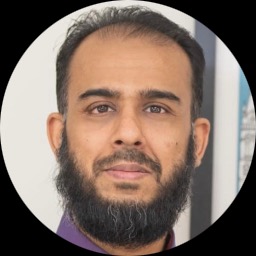
Muhammad Rahman, BACP, NCPS
Therapist in the UK
Muhammad is a BACP, NCPS therapist in the UK.
- 5+ years of experience
- Focus areas include Stress, Anxiety, Relationship issues
- Approaches include Client-Centered Therapy, Cognitive Behavioral Therapy (CBT)
See availability and next steps on BetterHelp.
About Muhammad
He works in a respectful and sensitive way, listening first to understand each person’s situation. He tailors conversations and plans to match the issues a person brings. His aim is to help people find manageable steps forward rather than overwhelmed plans.
Muhammad draws on five years of experience and holds BACP and NCPS credentials. He uses a mix of approaches depending on what fits: client-centred listening, cognitive behavioural techniques, mindfulness, solution-focused steps and hypnotherapy where appropriate.
He also addresses specialised concerns such as immigration stress, multicultural conflicts, jealousy, non-monogamous relationship dynamics, prejudice and process or sex-related addictions. Smoking and vaping cessation is another area he helps with through practical strategies and short-term plans.
Sessions can take different shapes to suit people's lives, including video calls, phone appointments, live chat or text messaging. The aim is to make it easy to keep working on goals between meetings. If someone is unsure where to begin, Muhammad helps them map out a clear first step and plan for the next sessions.
Areas of expertise
Experience
5+ years
Credentials
BACP, NCPS
Languages
English, Bengali
Focus areas
Approaches
Therapeutic approaches and online support
Client-centred therapy focuses on listening without judgement and following your concerns. It helps when someone needs space to talk and to feel understood before working on change. Cognitive behavioural therapy, or CBT, looks at unhelpful thoughts and behaviours and teaches practical techniques to reduce symptoms of anxiety, low mood and stress.Finding the right approach is part of the work. The therapist will discuss goals, preferences and what feels most helpful, then try a few methods to see what fits. This collaborative process means plans are adjusted as progress and needs become clearer.
Online formats make it simpler to keep therapy consistent. Video calls let people work face to face from different locations. Phone sessions suit those with limited bandwidth or who prefer not to use video. Live chat and text messaging are useful for brief check-ins, homework support and shorter exchanges between appointments. These options help people fit therapy into busy lives and maintain steady momentum.
Frequently asked questions
What concerns does Muhammad help with?
He helps people with stress, anxiety, relationship problems, family conflict, trauma and depression. He also works on immigration issues, jealousy, multicultural concerns, non-monogamous relationships, process and sex addictions, sexual dysfunction, and smoking or vaping cessation.
What is his therapeutic style like?
He uses a practical and respectful style that starts with listening. Sessions combine client-centred listening with cognitive and solution-focused tools to build manageable steps forward.
How much experience does he have?
He has five years of professional experience working with the concerns listed in his profile.
What credentials and location are on record?
He holds BACP and NCPS credentials and is based in the United Kingdom.
Which languages are supported in sessions?
Sessions are offered in English and Bengali and international clients are accepted.
What session formats are available?
Sessions are offered by video calls, phone, live chat or text-based messaging to suit different needs and schedules.
How does pricing work?
Cost varies with location and therapist availability; sessions use a subscription model that can be cancelled at any time.
How do I begin therapy?
Click the Start Therapy button, complete a short matching questionnaire, and then schedule sessions according to the therapist's availability.