BACP
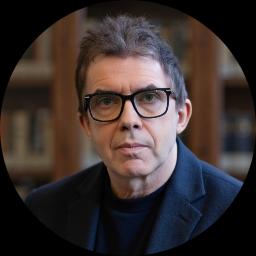
Paul Sadler, BACP
Therapist in the UK
Paul is a BACP therapist in the UK.
- 3+ years of experience
- Focus areas include Stress, Anxiety, Trauma and abuse
See availability and next steps on BetterHelp.
About Paul
Areas of expertise
Experience
3+ years
Credentials
BACP
Languages
English
Also listed for
See all related areas
Evidence-based approaches and online care
Paul works with evidence-based therapeutic techniques that focus on practical change and understanding patterns. One common approach helps people identify and change unhelpful thoughts and behaviours that keep anxiety and low mood active; it involves short exercises and experiments to test new ways of coping. Another approach looks at attachment and relationship patterns, helping people notice how early experiences shape current trust, intimacy and communication difficulties and then try different ways of relating. Finding the right method is part of the work. Paul treats therapy as a collaborative process and will discuss which approaches match a person's needs, goals and preferences. Together they decide what to try and review progress as therapy continues. Online sessions are offered by video calls, phone, live chat or text-based messaging so people can choose what fits their life. Video is useful for deeper conversations and visual cues, phone sessions can be easier when bandwidth is limited, live chat suits shorter check-ins and messaging supports ongoing reflection between meetings. These options make it easier to fit therapy around work, family and travel schedules while keeping the same therapeutic focus.Frequently asked questions
What kinds of problems does Paul focus on?
He focuses on stress, anxiety, trauma and abuse, intimacy-related issues, self esteem and depression, plus related concerns such as abandonment and attachment issues.
What is his therapeutic style like?
Paul uses evidence-based therapeutic techniques delivered in a conversational and practical way. He combines talking, reflective work and practical exercises tailored to each person.
How much experience does he have?
He has three years' experience working as a counsellor and supporting people through a range of emotional and relationship difficulties.
Where is Paul based and what credential does he hold?
He is based in the United Kingdom and is a BACP counsellor as supplied in his credentials.
Which languages are supported for sessions?
Sessions are offered in English and he accepts international clients.
What session formats are offered?
Sessions are available by video calls, phone sessions, live chat, or text-based messaging to suit different preferences and routines.
How does payment and cost work?
Cost varies with location and therapist availability and sessions use a subscription model that can be cancelled at any time.
How do I begin working with him?
Select the Start Therapy button, complete a short matching questionnaire, and then schedule sessions according to therapist availability.