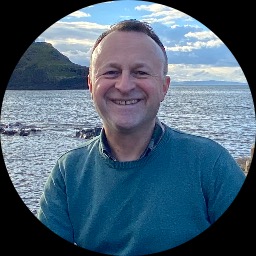
Arben "Ben" Delija
BACP, NCPS· Accepting clientsUnited Kingdom · 5 yrs exp
Stress, Anxiety · Addictions · Parenting · Self esteem · +12 more
Read profileThe therapy listings are provided by BetterHelp and we will earn a commission if you use our link - at no cost to you.
Accessing therapy in Albanian can help you express feelings and explore personal issues with greater clarity and cultural understanding. Browse the Albanian-speaking therapists listed below to read their profiles, approaches and qualifications.
United Kingdom · 5 yrs exp
Stress, Anxiety · Addictions · Parenting · Self esteem · +12 more
Read profile
United Kingdom · 3 yrs exp
Stress, Anxiety · Relationship · Trauma and abuse · Self esteem · +9 more
Read profileWhen you can speak in your native Albanian during therapy, you have access to a wider emotional vocabulary and cultural nuance that can be hard to convey in a second language. Words carry layers of meaning shaped by family, history and the community you grew up in. Speaking in Albanian can make it easier to describe subtle emotions, recall memories and discuss values or traditions that matter to you. For many people, the ability to use idioms, humour and everyday expressions in Albanian reduces the friction of explaining who you are and what you need from therapy.
Language also shapes how we think about difficult topics. If you grew up in a household or community where certain feelings were minimised, speaking Albanian with a counsellor who understands those cultural patterns can open up ways of talking that feel natural and less exposing. This does not guarantee any particular result, but it can change the tone of sessions and the way you connect with the person you work with.
When you use a second language to discuss personal or traumatic experiences, you may find that your descriptions become shorter or more literal. Nuance and metaphor, which often reveal deeper emotional material, can be lost in translation. That can make it harder for you to feel understood and for a therapist to pick up on patterns beneath the surface. Misunderstandings due to different cultural references or phrasing may also lead to repeated explanations that feel frustrating and tiring.
Language barriers may also change how you regulate emotion in sessions. You might feel less likely to cry, joke or express anger in a language you have not used for intimate conversations. This can influence the pace of therapeutic work and the kinds of interventions that will feel helpful. Recognising these limitations early on lets you and a counsellor find ways to bridge gaps - for example by using specific phrases in Albanian for key feelings, or by allowing more time for explanation and reflection.
If you choose online therapy with a therapist who lists Albanian among their languages, sessions typically follow similar formats to face-to-face counselling but take place via video call or telephone. You can expect an initial conversation about what you hope to achieve, the ways the counsellor usually works and practical matters such as session length and fees. Because communication is central, many therapists will take extra time to clarify words and check meaning, especially early on, so that you both feel comfortable with how language is being used.
Online therapy can allow you to meet with someone who understands your linguistic and cultural background even if they are based elsewhere in the UK. During remote sessions, you may find it helpful to use real-time translation features only as a backup; most clients report that direct bilingual conversation feels more natural. If a therapist lists particular approaches on their profile - for example cognitive behavioural methods, psychodynamic work or trauma-informed care - they may describe how those approaches are adapted to work across language and cultural contexts. Remember that a listing of an approach does not by itself indicate a particular level of training, but it does help you understand the styles a therapist tends to use.
Many Albanian speakers worry about stigma within families and communities when considering therapy. In some families, talking about mental health is unfamiliar or seen as something to keep within the household. You may also encounter expectations about roles, gender or respect that influence how safe you feel sharing certain experiences. These cultural factors can make the first steps toward therapy feel daunting, especially if relatives are likely to react with concern or disbelief.
Another frequent concern is finding practitioners who speak Albanian and who are located within a reasonable distance or who offer remote options. That challenge can make searches feel discouraging, particularly when profiles include professional language but not much detail about cultural experience. You may also be concerned about discussing migration-related issues, bereavement, or the impact of living between cultures. Bringing these worries into an initial conversation with a counsellor who lists Albanian among their languages can help you assess whether their approach resonates with your needs.
Online therapy widens the pool of practitioners you can access, so you are more likely to find someone who speaks Albanian and whose approach matches your preferences. Remote work reduces travel time and allows you to schedule sessions around family or work commitments. Many people also find that attending sessions from a familiar setting helps them feel more at ease when discussing sensitive topics. Online sessions can still be deeply relational - much depends on the rapport you develop and the communication style between you and the counsellor.
When choosing an Albanian-speaking counsellor, look at how they describe their practice, areas of focus and typical client concerns. Pay attention to the language they use about culture and identity and whether they mention working with people from similar backgrounds. If a therapist lists particular approaches, such as narrative work, relational therapy or trauma-focused methods, remember that this indicates preference rather than certification. Consider whether you would prefer someone who combines culturally aware conversation with structured techniques, or someone who focuses more on open-ended exploration. Trust your judgement about whether their description feels respectful of your experience.
Practical considerations can matter as well. Think about whether you prefer sessions in Albanian exclusively, or a bilingual approach where you might switch between Albanian and English as needed. If you are concerned about discussing legal, medical or educational matters, check how a counsellor refers to collaboration with other professionals. Finally, arranging an introductory conversation can help you get a feel for how they listen, how they handle cultural topics and whether they use language in a way that helps you express yourself fully.
Seeking therapy in Albanian is a personal step that can change how you access support and express inner experiences. Take time to read profiles, reflect on what matters most to you and use early sessions to set out your expectations. The right match does not guarantee outcomes, but finding a counsellor who speaks your language and respects your cultural background can make the process of getting help feel more understandable and human.