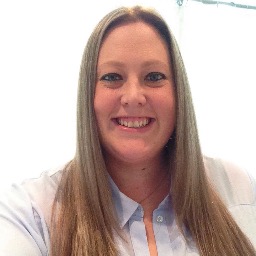
Alexis Pass
BACP· Accepting clientsUnited Kingdom · 17 yrs exp
Stress, Anxiety · Relationship · Family · Grief · +8 more
Read profileThe therapy listings are provided by BetterHelp and we will earn a commission if you use our link - at no cost to you.
Receiving therapy in your native language can make it easier to express feelings and experiences more clearly. Browse the ASL-speaking therapists listed below to view profiles of counsellors who use American Sign Language.
United Kingdom · 17 yrs exp
Stress, Anxiety · Relationship · Family · Grief · +8 more
Read profile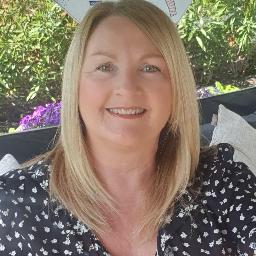
United Kingdom · 14 yrs exp
Stress, Anxiety · Relationship · Family · Trauma and abuse · +16 more
Read profile
Kentucky · 5 yrs exp
Stress, Anxiety · Parenting · Self esteem · Coping with life changes · +11 more
Read profileBeing able to use American Sign Language in therapy changes how you experience the process. Language shapes thought and emotional nuance, and communicating in ASL often allows for subtleties of expression that can be lost in a second language. When your counsellor uses ASL, you are more likely to find gestures, facial expressions and cultural references that match your lived experience. This alignment can help you describe complex feelings, memories and relational patterns with greater precision and feel more understood in the moment.
For many Deaf and hard-of-hearing people, ASL is not just a communication method - it is part of cultural identity. Therapy that acknowledges and works with that identity reduces the extra labour of translation that you might otherwise carry into sessions. That does not guarantee a particular outcome, but it does create a foundation where the therapeutic relationship can focus more fully on the issues you want to explore rather than on navigating language barriers.
When you are asked to describe emotions in a language you do not use daily, you may find words feel blunt, inadequate or overly clinical. Emotional vocabulary can shift across languages, and metaphors or idioms that feel natural in ASL may not have direct equivalents. This can lead to frustration, misunderstandings and a sense that essential parts of your story are being lost. Over time, that friction can make therapy feel less helpful or even unsafe.
Language barriers also influence how trust is built. Non-verbal cues - eye contact, facial expression, signing space and rhythm - are all part of ASL communication. If your therapist is unable to attend to those cues because they are communicating in another language or through an intermediary, it can slow the development of rapport and make you less likely to disclose sensitive material. In practical terms, you deserve a setting where the flow of communication matches your needs, and finding a counsellor who uses ASL helps reduce those barriers to emotional expression.
Online therapy with an ASL-speaking counsellor typically takes place via video so that visual language cues are clear. Sessions will involve the same kinds of therapeutic conversation you would expect in person - reflecting on feelings, exploring relationships and thinking about coping strategies - but shaped through visual language. You should expect attention to camera framing, lighting and background so that signing is visible. Most counsellors will offer guidance on how to set up your device for the best view and how to manage interruptions during a session.
During online sessions you can expect the counsellor to adapt pacing and turn-taking to match visual dialogue. Eye contact, facial expression and spatial usage in ASL are important, so therapists will often check in about whether you feel seen and heard. If you prefer to use a combination of ASL and written notes, or to have visual resources shared on screen, mention this early. It is reasonable to talk about how you prefer to receive feedback - whether through direct signing, brief summaries, or visual materials - and a counsellor who communicates in ASL should be able to discuss these preferences with you.
You may face several recurring concerns when looking for therapy in ASL. Cultural stigma around mental health can be stronger in some Deaf communities, making the decision to seek support a significant step. Worries about whether a counsellor truly understands Deaf culture, family dynamics and the role of visual language in daily life are common. You may also be unsure how to assess a counsellor's ASL fluency from an online profile, or how to ask about their experience working with Deaf clients without being intrusive.
Another concern is adapting therapeutic materials and homework to visual learning styles. Standard written worksheets can feel less relevant, so many ASL users prefer counsellors who can translate or recreate materials into visual formats. It is entirely reasonable to ask how a counsellor plans to adapt tools such as mood tracking, grounding exercises or psychoeducation so they are meaningful for you. You should feel able to raise cultural considerations, such as whether the counsellor has experience with Deaf community norms, and how family communication patterns are addressed in a way that makes sense within your cultural context.
Online therapy expands the pool of counsellors who use ASL beyond your immediate area, which is particularly important in regions where few local services are available. It also offers flexibility in scheduling and reduces travel time and cost. For many people who use ASL, video sessions can feel more convenient and less draining than travelling to an appointment, and they make it easier to meet with counsellors who specialise in areas relevant to you, such as trauma, relationship issues or life transitions.
When selecting an ASL-speaking counsellor, look closely at their profile to understand the approaches they list, the populations they mention and any professional registrations they include. You may notice counsellors who list EMDR among their approaches, or who list cognitive behavioural or person-centred methods. Remember that a listing of an approach indicates it is used by that counsellor, not that a specific credential is implied. Consider what therapeutic style feels most comfortable to you - whether you prefer a structured approach that focuses on skills or a more exploratory style - and seek a counsellor whose described approach aligns with your preferences.
Pay attention to any mentions of experience with Deaf community matters and how the counsellor describes communication practices in sessions. It is also helpful to find a counsellor who explains how they will adapt resources for visual learning and how they handle practicalities such as session length, fees and cancellation policies. Many profiles include a short statement about the counsellor's background and what they aim to offer; reading those statements can give you a sense of whether their tone and priorities resonate with you.
When you reach out, prepare a few questions that matter most to you. You might ask how the counsellor uses ASL during sessions, how they adapt materials, how they handle cultural issues related to the Deaf community and what to expect in the first few sessions. If you have preferences about pacing, visual aids or whether family involvement is part of therapy, mention these early. You are entitled to a clear sense of how a counsellor will communicate and what a typical session looks like. That clarity will help you decide which profile aligns with your needs and values.
Finding a counsellor who uses ASL can make therapy more accessible and personally meaningful. By focusing on communication style, cultural understanding and practical adaptations for visual language, you increase the chances of a therapeutic relationship that supports your goals. Use the profiles on this site to learn about counsellors who indicate ASL as a language they use, review their stated approaches and credentials, and reach out with the questions that matter to you so you can make an informed choice about the next step in your mental health care.