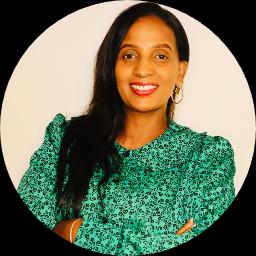
Selamawit Zere
BACP· Accepting clientsUnited Kingdom · 3 yrs exp
Stress, Anxiety · Relationship · Trauma and abuse · Grief · +1 more
Read profileThe therapy listings are provided by BetterHelp and we will earn a commission if you use our link - at no cost to you.
Receiving therapy in your native language can make a significant difference to how you express feelings and make sense of life challenges. Below you can browse profiles of Amharic-speaking therapists who work with clients across a range of concerns.
Use the listings to learn about approaches, qualifications and languages offered so you can choose a counsellor who feels right for you.
When you can speak to a therapist in Amharic, the work often moves beyond literal translation to include nuance, cultural phrases and shared meanings. Language is tightly woven with identity, family history and emotion, and being able to use your first language can help you access memories and feelings that may be difficult to express in another tongue. You are more likely to find the words that capture humour, irony and grief when you are communicating in a language you grew up with. For many people, this makes it easier to build trust with a practitioner and to explore sensitive topics without the extra effort of switching between languages.
Therapy in Amharic also allows references to shared cultural experiences to be understood without lengthy explanation. Cultural values, social expectations and customary ways of talking about mental health can vary widely. A therapist who speaks Amharic can recognise those references and respond in ways that feel familiar and relevant. That familiarity can make it easier for you to discuss identity, migration, family relationships and community ties in a way that feels accurate to your experience.
Language barriers in therapy do more than slow down a conversation. They can shape what you feel able to say and how you understand what is said back to you. When you are using a second language, you may choose simpler vocabulary, avoid idioms or soften strong feelings because you are worried about being misunderstood. This can prevent the full emotional picture from emerging and may limit the pace at which therapeutic work develops. You might also find that some concepts do not translate neatly, leaving gaps in emotional nuance.
Interpreters can help in many situations, but they also change the dynamic in the room. An interpreter introduces a third voice and a different rhythm to sessions, which can affect privacy and spontaneity. When you meet a therapist who speaks Amharic, you remove that intermediary and can speak directly about delicate matters. This direct exchange often brings greater immediacy to the therapeutic relationship, allowing you to follow emotional threads in the moment and to hear responses that feel closely attuned to your words.
Online therapy typically takes place by video call, phone or messaging, and sessions follow a similar structure to in-person appointments. You can expect an initial conversation to focus on your concerns, background and what you hope to achieve. Subsequent sessions are likely to involve exploring thoughts and feelings, trying different ways of coping and reviewing progress. When working in Amharic, you should be able to use the full range of expressive language you would use face to face, including culturally specific metaphors and idioms.
Therapists who work with Amharic-speaking clients may describe their methods in different ways. Some may list approaches such as cognitive behavioural ideas, psychodynamic thinking, person-centred ways of working or trauma-informed methods. It is important to remember that listings indicate how a therapist describes their approach rather than proving particular accreditation in every modality. If an approach is important to you, you can read profile details to see how a counsellor explains their way of working and whether that aligns with what you want.
You may face particular challenges when deciding to seek therapy, including cultural stigma, family expectations and uncertainty about how therapy fits with religious or community values. In some communities, talking about personal struggles outside the family can be seen as discourteous or as bringing shame. These cultural pressures can make it difficult to take the first step. You might also worry that a practitioner will not understand extended family dynamics, the role of elders, or the cultural meanings attached to certain behaviours.
Another frequent concern is finding a therapist who shares both language and cultural awareness. Even when language matches, styles of communication and cultural assumptions can differ between you and a therapist, so you may want to read profile information carefully to get a sense of how they work with cultural context. Practical issues such as arranging initial contact, understanding fees and learning about session length can feel daunting, especially if this is your first time seeking support in the UK. Knowing what to expect can ease some of that stress and help you focus on the therapeutic relationship itself.
Online therapy widens the pool of therapists you can contact. You are not limited to practitioners in your immediate area, so you may find a counsellor who shares not only your language but also particular cultural knowledge or experience working with similar issues. Online sessions can also offer flexibility in timing, reduce travel time and allow you to meet in a setting that feels comfortable for you. For people living in areas with fewer Amharic-speaking professionals, virtual sessions can make sustained therapeutic work feasible.
When choosing an Amharic-speaking therapist, start by considering what matters most to you. Think about the style of therapy you prefer, whether you want a more direct or reflective approach, and whether understanding of particular cultural or religious backgrounds is important. Read practitioner profiles to learn about their ways of working, any professional registration or accreditation they list, and the languages they speak. It can help to note how they describe their experience with migration-related concerns, family dynamics and community issues. If profiles mention specific approaches, remember that these are descriptions of how the therapist frames their work, and you can ask about these in an introductory conversation.
Practical details also matter. Decide whether you prefer video, phone or text-based sessions and check that the therapist offers the format you need. Consider session length, fees and how they manage appointment communication and cancellations. If you are looking for someone with experience supporting particular issues such as trauma, bereavement or relationship difficulties, look for profiles that explicitly mention relevant experience or interest. Finally, trust your instincts about whether a counsellor's tone and description feel respectful and understanding of your cultural context. A good match often comes from a combination of language, cultural sensitivity and a way of working that resonates with you.
Choosing to begin therapy in Amharic can be an important step in feeling understood and making progress with personal challenges. Use the listings to explore profiles, read how practitioners describe their work, and take the time to find someone whose approach and background fit what you need. With the right match, online therapy can provide accessible, culturally informed support in a language that matters to you.