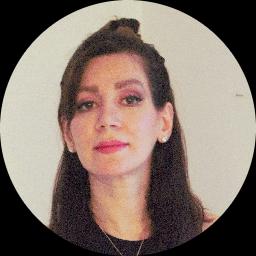
Dr. Zoleikha Gholizadeh
NCPS· Accepting clientsUnited Kingdom · 19 yrs exp
Stress, Anxiety · Trauma and abuse · Anger · Depression · +1 more
Read profileThe therapy listings are provided by BetterHelp and we will earn a commission if you use our link - at no cost to you.
Therapy in your native language can help you express feelings with greater clarity and connect more deeply with a therapist. Browse the Azerbaijani-speaking therapists listed below to read profiles and approaches that may match your needs.
When you speak in Azerbaijani you bring not only words but cultural frames, idioms and memories that shape how you understand yourself and your relationships. Therapy that happens in your first language can make it easier to describe subtle emotions, recall childhood scenes and use metaphors that carry personal meaning. You may find that certain experiences, jokes or family expressions cannot be fully translated without losing important emotional weight. Speaking Azerbaijani in therapy reduces the extra effort of translation and lets you focus on the heart of what you want to explore.
The rapport you build with a therapist depends on more than technical skill. When you share a language, you also share ways of relating and cultural references that help a therapist understand your context. For many people this leads to a stronger sense that they are being heard and understood. That feeling matters because therapy is a collaborative process - you and a therapist work together to notice patterns, try new perspectives and practise different ways of responding. Speaking Azerbaijani can make that collaboration feel more natural and emotionally resonant.
Language barriers can make it hard to express complex or ambivalent feelings. If you are working in a second language you may rely on simpler vocabulary or fewer metaphors, which can flatten the emotional texture of your story. Some people find they can speak more directly about practical issues in a second language yet struggle to convey vulnerability or shame. This difference matters because therapy often involves attending to small shifts in emotion and meaning that accumulate into change.
Beyond words, cultural assumptions shape how people describe family roles, obligations and expectations. A therapist who does not share your cultural background may misread certain phrases or normalise experiences that feel foreign to you. When misunderstandings occur they can slow progress or leave you feeling unseen. Choosing a therapist who speaks Azerbaijani reduces the likelihood of these misinterpretations and allows you to correct or expand on meanings as they arise.
Online therapy in Azerbaijani often follows familiar rhythms - you can expect a space to talk through what matters to you, set goals if you wish, and reflect on patterns that emerge between sessions. Sessions may combine listening, gentle questioning and practical strategies for managing mood or stress. Because you are working in your native language, you may notice conversations that would have felt awkward in translation becoming more fluid, enabling deeper exploration of memories and relationships.
Online therapy gives you flexibility about location and can reduce travel time. You should think about where you will sit during a session so you feel comfortable and able to speak freely. A quiet room, a familiar chair and stable internet can help conversations flow. Therapists may describe their approaches and areas of focus on their profile pages. If you see terms like cognitive-behavioural, psychodynamic or humanistic, those reflect approaches therapists list among their methods rather than formal certifications displayed on this site.
Many Azerbaijani speakers worry about how family or community will react to seeking therapy. There can be a sense that personal struggles should be managed within the family or that admitting to mental health difficulties risks shame. These concerns are understandable and often discussed early in therapy. A therapist who understands cultural expectations can help you explore ways to honour family ties while also looking after your own wellbeing.
Another common challenge is finding a therapist who speaks Azerbaijani and who is also comfortable with the cultural nuances important to you. Some people prioritise language first and then explore therapeutic approach, while others look for someone whose background aligns with their cultural or religious practices. Reading profiles carefully can help you identify therapists who mention working with particular communities or family dynamics. Remember that the phrase used to describe an approach on a profile indicates what a therapist lists among their methods and does not in itself confirm a specific qualification.
Online therapy widens the pool of Azerbaijani-speaking therapists beyond your immediate area, so you can connect with someone who matches your needs even if they are based elsewhere in the UK. It allows flexibility in scheduling, and for some people it feels easier to express emotions from the comfort of a familiar setting. For those balancing work, family or study, online sessions can reduce logistical pressure and make it simpler to maintain continuity over time.
When choosing a therapist who speaks Azerbaijani you may want to focus on several practical factors. Consider the therapist's stated approaches and the ways they describe working with people - these descriptions give a sense of style and emphasis. Look for information about the kinds of issues they mention, such as relationship difficulties, anxiety, bereavement or life transitions, and consider whether those match what you want to address. It can also be helpful to notice how a therapist writes about culture and language on their profile; a tone that acknowledges cultural context often signals an openness to exploring those concerns with you.
In the UK many therapists are registered with recognised professional bodies. You may wish to check a therapist's profile for membership of a UK regulatory or professional association, which gives you information about ethical standards and ongoing professional development. Clear information about fees, session length and how they work online can help you decide who feels like the best fit. If a therapist lists particular approaches you are curious about, such as narrative or mind-body methods, remember that profiles indicate what therapists list among their approaches rather than formal accreditation by this directory.
Finding a therapist who speaks Azerbaijani can be a meaningful step toward exploring difficult feelings, resolving relationship concerns or learning new ways to manage stress. Take time to read profiles, notice which descriptions resonate with you and trust your sense of fit. Meeting with a therapist for an initial session allows you to experience how you connect in Azerbaijani and whether their style supports the kind of work you want to do. Therapy is a personal process - choosing someone who shares your language can help you bring your whole self into the conversation.