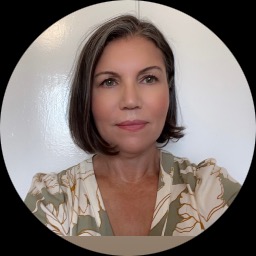
Dilnia Horton
BACPUnited Kingdom · 13 yrs exp
Relationship · Family · Eating · Parenting · +1 more
Read profileThe therapy listings are provided by BetterHelp and we will earn a commission if you use our link - at no cost to you.
Accessing therapy in your native language can make a big difference in how you express feelings and understand support. Below you can browse Kurdish-speaking therapists who list Kurdish among the languages they use in practice.
Use the listings to explore practitioners, read about their approaches and decide which counsellor might suit your needs.
United Kingdom · 13 yrs exp
Relationship · Family · Eating · Parenting · +1 more
Read profile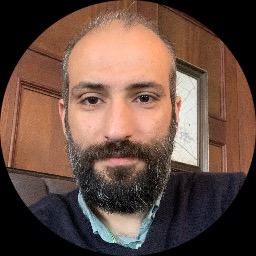
United Kingdom · 14 yrs exp
Stress, Anxiety · Relationship · Trauma and abuse · Intimacy-related issues · +13 more
Read profileWhen you speak in Kurdish you bring more than words to a session - you bring idioms, cultural references and a way of feeling that can be difficult to translate. Expressing grief, shame or joy in your mother tongue often lets you access memories and meanings that may feel muted in another language. That access can help you feel better understood and reduce the effort of translating complex emotions into a language that lacks the same cultural framing.
Therapy is built on the relationship between you and your practitioner. Language plays a key role in forming that relationship. Speaking Kurdish can allow you to describe delicate experiences in familiar terms, use humour or metaphor that resonates, and feel seen in ways that go beyond clinical labels. For many people, talking in their first language feels less formal and can help establish a steady working alliance more quickly.
Language barriers do not only mean literal words are missed. They can change the rhythm of conversation, the depth of disclosure and the kinds of emotions you are comfortable naming. You may find yourself simplifying experiences or relying on general terms because you do not trust the other person to grasp particular cultural or historical details. Over time this can make therapy feel shallow or frustrating.
Misunderstandings about cultural practices, family dynamics or migration experiences can also lead to mistakes in interpretation. A practitioner who does not share your language may misread a culturally specific expression or fail to notice the significance of particular phrases. That does not mean an English-speaking therapist cannot be helpful, but for many Kurdish speakers having sessions in Kurdish removes a layer of friction and allows you to focus more on the work than on translation.
Online therapy has grown as a flexible option for people who want to work with practitioners across the UK. When you choose a Kurdish-speaking practitioner online, sessions commonly happen by video call, voice call or messaging, depending on the practitioner’s offered formats. You can expect to discuss how you prefer to communicate, whether you want structured tasks or open conversation, and how much of the session is spent exploring immediate concerns versus longer-term goals.
It is useful to ask about the languages the practitioner uses and whether they work in a particular Kurdish dialect, such as Kurmanji or Sorani, since that can influence comfort and nuance. You will also want to know about their general approach to therapy - you may find practitioners who list approaches such as psychodynamic work, person-centred counselling, or approaches for trauma among their methods. Online work often involves the same boundaries as in-person practice regarding session length, recording of notes and how follow-up contact is handled. Many people appreciate the ability to meet from a familiar setting while still having a focused therapeutic conversation.
Kurdish communities, like many others, can carry stigma around mental health that makes seeking help difficult. You may worry about family perceptions, fear being judged, or worry that talking about mental health will reflect poorly on you. These concerns are real and many practitioners who speak Kurdish are mindful of how family honour, community expectations and faith can shape a client’s experience.
Another common issue is knowing where to find a practitioner who understands migration, asylum or displacement experiences. You might want someone who recognises the impact of immigration systems, loss of social networks, or language transition on mental health. There can also be practical challenges in understanding NHS referral routes, self-funded fees and how online therapy fits into your life. Finding a practitioner who can explain options in Kurdish can make navigating these systems feel less overwhelming.
Online therapy widens the pool of available practitioners so you can find someone who speaks Kurdish even if there are few local options. This means you are more likely to find a counsellor whose cultural background, therapeutic style and language skills match what you want. Online sessions also offer flexibility with timing and location, which can be especially helpful if you are balancing work, family or travel.
When choosing a Kurdish-speaking practitioner, consider several practical factors in conversation with them. Ask which Kurdish dialect they use in sessions and how they work with cultural and religious factors. Check that they are registered with a recognised UK professional body and that their profile describes the approaches they use. You may want someone who lists experience with migration-related issues or trauma among their work areas. Think about whether you prefer a male or female counsellor, and whether you want sessions that are more directive or exploratory. Many people find it helpful to have an initial conversation to see how the therapist communicates and whether you feel able to speak openly in Kurdish.
Pay attention to how the practitioner listens and responds to emotional detail, and whether they invite stories about your cultural background. It can be helpful to agree early on how you will work together, including session length, frequency and practical arrangements. If you are unsure about online technology, ask about what platform they use and how they manage the practical side of sessions. Choosing someone who respects your pace and offers clear explanations in Kurdish can make therapy feel approachable and practical.
Looking for a Kurdish-speaking therapist is a very normal step if you want to express yourself more fully and engage with counselling in a language that feels natural. Start by reading practitioner profiles, noting their stated approaches and the dialects they list. Reach out to ask practical questions and see how it feels to speak with them. Therapy is a collaborative process and finding a practitioner who listens carefully to your cultural context and language needs can make the work more meaningful.
If you are unsure where to begin, consider what matters most to you in therapy - the style of work, cultural awareness, or practical factors such as session times and fees - and use those priorities to guide your search. With thoughtful choices and a little time, you can find a counsellor who helps you explore your concerns in Kurdish and supports you in taking the next steps toward greater emotional clarity and wellbeing.