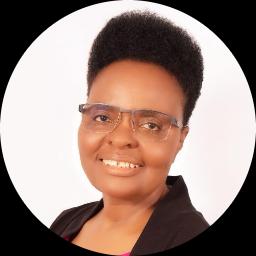
Sithembisile Mapingire
BACP· Accepting clientsUnited Kingdom · 22 yrs exp
Relationship · Family · Grief · Self esteem · +14 more
Read profileThe therapy listings are provided by BetterHelp and we will earn a commission if you use our link - at no cost to you.
Talking with a counsellor in your native Ndebele (South) can make it easier to express feelings and cultural experiences. Below you can browse Ndebele (South)-speaking therapists and review profiles to find someone who may suit your needs.
United Kingdom · 22 yrs exp
Relationship · Family · Grief · Self esteem · +14 more
Read profile
United Kingdom · 13 yrs exp
Stress, Anxiety · Addictions · Relationship · Family · +12 more
Read profile
United Kingdom · 4 yrs exp
Stress, Anxiety · Addictions · Relationship · Family · +10 more
Read profileWhen you speak with a counsellor in Ndebele (South), you use words, phrases and cultural references that carry meaning beyond simple translation. You may find it easier to describe early memories, humour, family dynamics and culturally specific emotions when you do not have to filter them through a second language. That directness can help you feel understood and can reduce the effort required to communicate complex inner states.
Some feelings and idioms have no exact equivalent in English. Saying them in Ndebele (South) can unlock subtleties in tone and intent that might otherwise be lost. You may notice that metaphors, proverbs and terms of respect or kinship provide context for issues such as grief, intergenerational tension or identity. Speaking in your first language can therefore deepen the therapeutic conversation and allow for richer exploration of your experience.
Language differences can change the pace and focus of sessions. If you and a counsellor do not share the same mother tongue, you may spend more time explaining cultural background, clarifying wording and translating feelings. That extra work can make sessions feel less fluid and may affect how quickly you form a working relationship. You might also avoid describing highly emotional or culturally sensitive material because you do not trust the translation to carry the same weight.
Even with an excellent shared language, small differences in phrasing can lead to misinterpretation. Certain expressions may seem milder or harsher when rendered in another language, and subtle cues such as idiomatic humour or culturally coded references may not land as intended. When you can use Ndebele (South) in therapy, you remove a layer of potential misunderstanding and can attend more fully to the feelings beneath the words.
Online therapy with a Ndebele (South)-speaking counsellor works much like face-to-face counselling, but with the practical advantages of digital communication. You can choose video, audio or message-based sessions depending on your comfort and technology. Before you start, you will usually find a counsellor profile that outlines their areas of focus, approaches they list and any professional registration or qualifications they hold. Reading these profiles helps you understand how they describe their work and whether their emphasis aligns with what you are seeking.
In an online setting you should expect clear information about how sessions will run, how long they last and the ways you can contact the counsellor between appointments if needed. You can use Ndebele (South) throughout your sessions to discuss background, set goals and process difficult moments. Some counsellors who work online also adapt materials or exercises to suit cultural context, and others may recommend community resources that are relevant to Ndebele (South) speakers in the UK.
Cultural stigma around mental health can be a significant barrier. You may worry about what family or community members will think, or feel that expressing distress is a personal matter. These concerns can make the first step feel daunting. You might also find it difficult to locate a counsellor who both speaks Ndebele (South) and understands the cultural or migration context that shapes your life.
Family expectations, intergenerational differences and community values often shape how you view therapy. You may be used to resolving problems within family networks or through spiritual frameworks, and seeking an external counsellor could feel unfamiliar. It can help to look for counsellors who explicitly list working with cultural identity, bereavement, migration stress or intergenerational issues among their focus areas, because they are more likely to be attentive to cultural dynamics in sessions.
Online therapy widens the pool of counsellors who speak Ndebele (South), which is especially useful if local options are limited. You can connect with a counsellor across different parts of the UK without the need to travel, which adds flexibility around work, family commitments and mobility. This distance can also give you more control over the setting of sessions - you can choose a quiet room at home or another familiar place where you feel able to talk.
Because online work removes geographical barriers, you may find counsellors who specialise in working with particular issues relevant to your experience, such as migration, trauma or family relationships. Online therapy can make it easier to maintain continuity if you move house, travel for work or have variable routines. You will still want to check that the counsellor is registered with an appropriate UK professional body, and that their profile explains the approaches they list and the kinds of issues they typically work with.
Start by reading profiles carefully to see how counsellors describe their work and which approaches they list. Look for mentions of the issues you want to address - relationship strain, anxiety, grief or identity questions - and note whether they refer to cultural or migration context. Pay attention to stated registration or qualifications, since registration with a recognised UK professional body indicates a counsellor meets accepted standards of practice and professional conduct.
When you find profiles that resonate, consider how you prefer to work - some people want a practical, problem-focused approach while others seek space for reflection and narrative. If a counsellor lists certain approaches among their methods, that gives you a sense of how they structure sessions without implying formal certification in any single modality. You may also want to check whether they offer video, phone or messaging, and whether they discuss cultural sensitivity in their profile. Trust your judgement about tone and language - if a profile feels respectful and attentive to cultural detail, that can be a good sign.
Finding a counsellor who speaks Ndebele (South) can be a meaningful step towards clearer communication and more effective support. Taking time to read profiles and reflect on what matters to you will help you choose someone who fits your priorities. Therapy is a personal process, and having the opportunity to speak in your native language can make that process feel more accessible and meaningful.