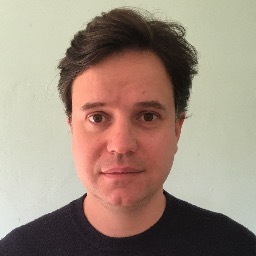
Gorazd Valjavec
BACPUnited Kingdom · 6 yrs exp
Stress, Anxiety · Relationship · Family · Intimacy-related issues · +12 more
Read profileThe therapy listings are provided by BetterHelp and we will earn a commission if you use our link - at no cost to you.
Speaking in your mother tongue can make a real difference when you explore thoughts and feelings in therapy. Browse the Slovenian-speaking therapists below to find a counsellor whose approach and background fit your needs.
When you talk about personal issues in the language you grew up with, nuances of feeling and memory often come through more naturally. You may find it easier to name complex emotions, tell family stories or use idioms that carry cultural weight. That directness can help you and your counsellor establish rapport more quickly and work on what matters to you. For many people, therapy in Slovenian reduces the mental effort of translating emotions into another language, leaving more energy for reflection and growth.
Language is also tied to identity. Talking in Slovenian can reconnect you with cultural references, childhood experiences and particular ways of making meaning. That matters whether you were born in Slovenia, raised in a Slovenian-speaking household in the UK, or learned the language later in life. You might notice that certain metaphors, humour or family expectations make more sense in Slovenian. A therapist who can join you in that linguistic space is positioned to follow those threads with greater sensitivity.
When you use a non-native language in counselling, you may unconsciously filter or simplify what you say to reduce the risk of misunderstanding. That can lead to missing details or subtleties that would otherwise offer important insights. You might avoid bringing up topics that feel culturally loaded, or you may struggle to convey the precise intensity of an emotion. These small shifts in expression can shape the direction of work and the pace of progress.
Misunderstandings are not just about vocabulary. Rhythm, tone and cultural assumptions shape how messages are received. A phrase that is light-hearted in Slovenian could sound flat or more intense in English, changing the way a counsellor responds. For this reason, finding someone who speaks Slovenian can reduce the need to explain cultural context and allow deeper exploration of family dynamics, migration experiences or intergenerational issues that are common among Slovenian speakers in the UK.
Online therapy with a Slovenian-speaking counsellor typically follows the same core elements as face-to-face work: an initial conversation to explore why you are seeking support, agreement on goals and an ongoing process of reflection and feedback. Sessions offer a chance to process life events, practice new ways of coping and reflect on relationships. Many people find that meeting from home or another familiar place reduces the stress of travel and helps them open up sooner.
Online sessions can involve talking, reflective exercises and therapeutic approaches that a counsellor lists in their profile. If you prefer to combine spoken Slovenian with written notes or messages in English, you can discuss that with the counsellor to shape the most useful format for you. You should expect clear information about how sessions will be conducted, how to arrange appointments and what to do if a session needs to be rescheduled. Technical aspects such as good internet connection, a quiet room and basic familiarity with video calling tools usually make for a smoother experience.
Cultural expectations and stigma around mental health can make the prospect of seeking help daunting. In some communities, problems are framed as family matters to be managed within the household, and the idea of speaking to a counsellor can feel unfamiliar or worrying. You may also be uncertain about how a counsellor will understand your cultural background, customs and family roles. These are legitimate concerns and important to raise at the start of therapy.
Another common challenge is finding a counsellor who not only speaks Slovenian but also understands the specific experiences you want to discuss, such as migration, bilingual family life or experiences of social adjustment in the UK. You may prefer someone who explicitly mentions working with similar cultural issues or who lists relevant therapeutic approaches in their profile. Reading a counsellor's description can give you a sense of how they frame their work and the kinds of clients they name as a good fit.
Online counselling widens the pool of Slovenian-speaking counsellors beyond your immediate area, which is particularly helpful if you live outside major cities or in regions with fewer language-specific services. The flexibility of remote sessions lets you connect from home, from work during a break, or from another comfortable setting that helps you engage. For those balancing family, study or work, this accessibility can make regular sessions more manageable and sustainable over time.
Online means you can also look for counsellors who describe working with issues similar to yours, and you may find a stylistic match more quickly by reading profiles and approach statements. If you are juggling childcare or travel, having sessions that do not require commuting can reduce practical barriers that otherwise prevent people from accessing support.
Start by clarifying what you want from counselling - whether it is short-term support for a specific issue, help managing anxiety or depression, or deeper exploration of relationships and identity. Look for counsellors who describe working with those concerns and who list approaches that resonate with your preferences. When a counsellor lists particular methods among their approaches, that indicates the frameworks they draw on rather than a formal guarantee of specific training in that method.
Pay attention to how a counsellor writes about their work. Do they use language that feels respectful and clear? Do they acknowledge cultural and linguistic aspects of counselling? It can help to choose someone who mentions working with bilingual clients or cross-cultural themes if those are central to your goals. You may also find it reassuring to look for counsellors who list registration or membership with recognised UK professional bodies. Finally, prepare a few questions to raise in an initial conversation so you can sense whether the counsellor's style and experience feel like a good match for you.
Seeking therapy in Slovenian can be an important step toward clearer self-understanding and more meaningful change. By focusing on how language, culture and approach align with what you need, you increase the chance of finding a counsellor who can work with you in a way that honours your voice and experiences.