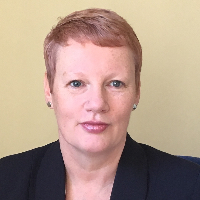
Jessica Sullivan
BACP· Accepting clientsUnited Kingdom · 20 yrs exp
Relationship · Family · Trauma and abuse · Grief · +10 more
Read profileThe therapy listings are provided by BetterHelp and we will earn a commission if you use our link - at no cost to you.
This directory page lists counsellors and therapists who specialise in supporting people aged 45 and over. Browse the profiles below to compare registration, approaches and languages and to explore potential matches.
United Kingdom · 20 yrs exp
Relationship · Family · Trauma and abuse · Grief · +10 more
Read profile
United Kingdom · 20 yrs exp
Stress, Anxiety · Relationship · Family · Trauma and abuse · +9 more
Read profile
United Kingdom · 27 yrs exp
Stress, Anxiety · Relationship · Grief · Intimacy-related issues · +13 more
Read profile
United Kingdom · 20 yrs exp
Stress, Anxiety · Relationship · Family · Trauma and abuse · +13 more
Read profile
United Kingdom · 35 yrs exp
Stress, Anxiety · Relationship · Grief · Parenting · +7 more
Read profile
United Kingdom · 20 yrs exp
Relationship · Family · Grief · Depression · +14 more
Read profile
United Kingdom · 20 yrs exp
Addictions · Relationship · Trauma and abuse · Self esteem · +12 more
Read profile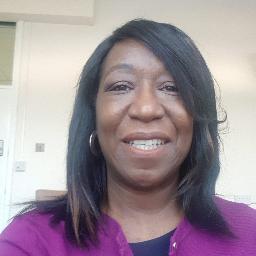
United Kingdom · 20 yrs exp
Stress, Anxiety · Trauma and abuse · Grief · Anger · +13 more
Read profile
United Kingdom · 28 yrs exp
Stress, Anxiety · Grief · Depression · Coping with life changes · +11 more
Read profile
United Kingdom · 20 yrs exp
Stress, Anxiety · Relationship · Anger · Self esteem · +11 more
Read profile
United Kingdom · 27 yrs exp
Stress, Anxiety · Relationship · Eating · Self esteem · +16 more
Read profile
United Kingdom · 21 yrs exp
Stress, Anxiety · Relationship · Trauma and abuse · Self esteem · +10 more
Read profile
United Kingdom · 40 yrs exp
Relationship · Family · Grief · Parenting · +14 more
Read profile
United Kingdom · 23 yrs exp
Stress, Anxiety · Addictions · Relationship · Grief · +12 more
Read profile
United Kingdom · 22 yrs exp
Stress, Anxiety · Relationship · Family · Grief · +16 more
Read profile
United Kingdom · 23 yrs exp
Stress, Anxiety · Relationship · Grief · Self esteem · +7 more
Read profile
United Kingdom · 40 yrs exp
Stress, Anxiety · Relationship · Family · Self esteem · +10 more
Read profile
United Kingdom · 26 yrs exp
Stress, Anxiety · Relationship · Trauma and abuse · Grief · +10 more
Read profile
United Kingdom · 24 yrs exp
Addictions · Family · Trauma and abuse · Depression · +13 more
Read profile
United Kingdom · 28 yrs exp
Stress, Anxiety · Relationship · Trauma and abuse · Grief · +15 more
Read profile
United Kingdom · 25 yrs exp
Stress, Anxiety · Anger · Self esteem · Depression · +14 more
Read profile
United Kingdom · 20 yrs exp
Stress, Anxiety · Addictions · Grief · Bipolar · +9 more
Read profile
United Kingdom · 26 yrs exp
Stress, Anxiety · Addictions · Trauma and abuse · Grief · +15 more
Read profile
United Kingdom · 22 yrs exp
Stress, Anxiety · Addictions · Relationship · Trauma and abuse · +12 more
Read profileReaching your mid 40s and beyond often marks a period of change rather than a single event. For many people the label "older (45+)" signals a stage where career priorities shift, family roles evolve and physical health or fertility concerns may reframe daily life. You might be balancing responsibilities for ageing parents while parenting adolescents, reassessing long-term goals, coping with retirement planning or noticing changes in energy and sleep. Social networks can contract or reshape as friends move cities or family dynamics change.
These transitions are not inherently negative but they can stir questions about identity, purpose and relationships. You may become more aware of losses you have experienced and anticipate future losses. Emotional responses such as sadness, anxiety about the future, frustration with changing capacities, or a sense of being stuck are common. Social expectations about how people at certain ages should behave can intensify internal pressure to meet milestones or to appear resilient. Understanding this life stage as a complex mix of gain and loss may help you recognise why you feel the way you do and whether talking with a counsellor could help you navigate it.
If you are wondering whether counselling could help, notice how patterns in your thoughts, behaviour and relationships are affecting day-to-day living. You may find that worries about health or ageing occupy your thoughts to the point that concentration or sleep suffers. Changes in mood that persist for weeks, increasing irritability, withdrawal from formerly enjoyable activities or repetitive negative self-talk are indicators that extra support could be useful. Relationship strain - whether with a partner, adult children or friends - is another reason people seek professional help when they reach their 40s and 50s.
Sometimes the need for therapy shows up as repeated cycles you cannot break, such as returning to the same kinds of relationships or repeating a pattern at work. You might also be processing big life events - bereavement, redundancy, divorce, diagnosis of a long-term condition or a sense of unfulfilled ambitions - and feel overwhelmed or unsure how to move forward. Counselling can offer a space to explore these concerns, help you clarify values and choices, and support practical coping strategies for daily life.
When you meet a counsellor, the first sessions usually focus on understanding your current concerns and your life context. You will be invited to talk about what brings you to counselling now, what you hope to change and what has helped or hindered you before. Sessions often move at your pace - some people prefer to start with practical goals and immediate coping techniques, while others use the space for deeper reflection on life narrative and relationships. Counselling may be short term and goal-focused or longer term and exploratory depending on your needs and the counsellor's approach.
Counsellors aim to create a respectful, empathic relationship in which you can be heard and reflected back to yourself. Expect clear explanations about appointment length, fees, cancellation terms and the counsellor's registration and professional body - many will state whether they are registered with organisations such as the BACP, HCPC or listed with recognised professional registers such as NCPS. You can ask how the counsellor approaches issues common to midlife - for example, loss, changing relationships or health-related worries - and whether they have experience working with people in your age group.
Counsellors use a range of approaches and many will list their preferred methods on their profile. Person-centred approaches emphasise listening and empathy to help you find your own solutions, while psychodynamic work explores how past relationships and life stories influence current feelings and choices. Cognitive behavioural approaches focus on identifying unhelpful patterns of thought and behaviour and developing practical strategies to change them. You will also find counsellors who list acceptance and commitment approaches - often called ACT - which combine mindfulness with values-based action, and those who mention narrative work that helps you re-author the stories you tell about your life.
Some counsellors list approaches such as EMDR among their approaches, or include mindfulness-based methods, systemic and couples work. It is important to remember that a mention of an approach on a profile indicates what a counsellor uses in practice but does not in itself confirm the nature or extent of any training. If a particular approach matters to you, you may want to read profiles to see how counsellors describe their work and look for information about their registration and professional memberships. That information can help you choose someone whose stated approach and experience align with your needs.
Online counselling has become a common option and can be particularly helpful if mobility, caregiving duties or location make in-person sessions difficult. You can expect sessions to take place by video call, phone or, in some cases, text-based messaging set-ups offered by the counsellor. Before you start, check how the counsellor manages appointment links, time zones and payment. Counsellors should be able to explain their approach to data protection and how your notes are handled under relevant UK guidance. It is sensible to confirm practicalities such as what to do if a session is interrupted and the best ways to contact the counsellor between appointments if that is part of the agreed plan.
To make online sessions work well for you, choose a comfortable environment where you can speak without being overheard - a private space if possible - and test your camera, microphone and internet connection beforehand. Lighting and seating that allow you to sit comfortably for the session duration can make a meaningful difference. If you are new to video counselling, you might find the experience feels different at first; many people adapt quickly and appreciate the flexibility of meeting from home. If you have specific concerns about using technology, mention them early on so the counsellor can offer alternatives or guidance.
Choosing a counsellor is a personal process and several practical and relational factors usually inform that choice. Start by looking at whether a counsellor notes experience with midlife challenges on their profile and whether their listed approaches resonate with you. Pay attention to registration - many counsellors will state membership of professional bodies such as BACP or HCPC or registration with recognised registers like NCPS - and consider what that means for their ethical and professional standards. Language, cultural background and experience with particular life stages can also matter if you want someone who can relate to your context.
When you read profiles, look for descriptions of how a counsellor works rather than brief labels alone. A counsellor who explains their typical session structure and how they support clients through transitions will give you a clearer sense of fit. Think about practicalities such as session length, fees, and whether you prefer online, in-person or a blend of both. Finally, trust your response when you make contact - the relationship you build with a counsellor is central to the work, and feeling heard and respected in initial conversations is an important indicator of whether you might work well together.
Finding the right support as you move through midlife can help you deliberate choices with greater clarity, process losses and redesign life in ways that feel more aligned with your values. Use the profiles on this page to explore counsellors who note experience with older (45+) concerns, check registration details and read about approaches to find a counsellor who suits your needs and preferences.