NCPS
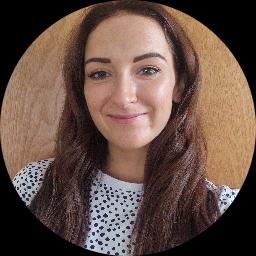
Cara O'Kane, NCPS
Therapist in the UK
Cara is a NCPS therapist in the UK.
- 3+ years of experience
- Focus areas include Stress, Anxiety, Self esteem
- Approaches include Client-Centered Therapy, Cognitive Behavioral Therapy (CBT)
See availability and next steps on BetterHelp.
About Cara
Cara is credentialed with NCPS and has three years of professional counselling experience in the UK. She also brings nine years working in the mental health field, which informs how she listens and responds. Sessions are shaped around what each person needs rather than a one-size-fits-all plan.
In sessions she focuses on clear, usable tools and honest conversation. That can mean looking at thoughts and behaviours, practising mindfulness, or setting small goals to build confidence. Cara encourages people to try things between sessions and then talk about what worked and what did not.
She gives attention to a wide range of concerns beyond the main areas, including attachment and abandonment worries, body image, communication and workplace difficulties. Topics such as guilt, shame, impulse control, loneliness, sexuality and finding life purpose are also within her scope.
Cara aims to create a calm, non-judgemental space where people can be honest about struggles. She will work with each person to build a plan that feels achievable. Taking the first step can feel hard, and she offers steady support through that process.
Areas of expertise
Experience
3+ years
Credentials
NCPS
Languages
English
Approaches
How Cara’s approaches work online
Cognitive Behavioural Therapy looks at the links between thoughts, feelings and actions. In practice this means identifying unhelpful thinking patterns and trying small behaviour changes to test new ways of coping. It can help with anxiety, low mood and stress.Client-Centred Therapy focuses on a warm, non-judgemental therapeutic relationship. The therapist listens closely and helps people reflect on their own goals and values, which supports self-understanding and confidence.
Finding the right approach is part of the work together. Cara will discuss different methods and choose what fits the person's needs, goals and preferences. That decision is collaborative and may be reviewed as progress unfolds.
Online sessions are offered by video call, phone, live chat and text-based messaging to fit different schedules and styles. Video calls allow face-to-face conversation, phone sessions work well when bandwidth is limited, live chat is useful for shorter check-ins, and messaging lets people share thoughts between meetings. These options make it easier to fit therapy into busy lives and keep continuity when plans change.
Frequently asked questions
What concerns does Cara commonly help with?
She supports people with stress, anxiety, self-esteem issues, depression, coping with life changes and compassion fatigue, plus related topics such as attachment, body image and workplace problems.
How would you describe her therapeutic style?
Cara works in a straightforward, respectful way and tailors conversations to each person. Sessions focus on practical steps, reflective listening and building small, manageable goals.
What is her professional background?
She has three years of professional counselling experience and nine years working in the mental health field, which shapes her practical approach.
What credential does she hold and where is she based?
She is credentialed with NCPS and practises from the United Kingdom.
Which languages are sessions offered in?
Sessions are offered in English.
Can people outside the UK work with her?
She is not accepting international clients at this time and works with people located in the United Kingdom.
What session formats does she use?
Sessions can take place via video calls, phone sessions, live chat or text-based messaging depending on what suits the person.
How do subscriptions and cost work?
Cost varies with location and therapist availability; sessions are billed through a subscription that can be cancelled at any time.