
Amanda Bouvier
BACP· Accepting clientsUnited Kingdom · 15 yrs exp
Stress, Anxiety · Family · Grief · Depression · +12 more
Read profileThe therapy listings are provided by BetterHelp and we will earn a commission if you use our link - at no cost to you.
On this page you will find UK counsellors who list self-love and self-esteem among their focus areas. Browse the listings below to compare approaches, credentials and languages so you can choose a counsellor who feels right for you.
United Kingdom · 15 yrs exp
Stress, Anxiety · Family · Grief · Depression · +12 more
Read profile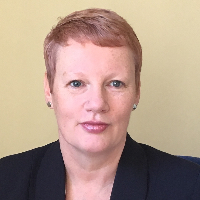
United Kingdom · 20 yrs exp
Relationship · Family · Trauma and abuse · Grief · +10 more
Read profile
United Kingdom · 8 yrs exp
Stress, Anxiety · Trauma and abuse · Grief · Self esteem · +6 more
Read profile
United Kingdom · 5 yrs exp
Stress, Anxiety · Relationship · Family · Trauma and abuse · +14 more
Read profile
United Kingdom · 12 yrs exp
Stress, Anxiety · Relationship · Grief · Parenting · +7 more
Read profile
United Kingdom · 8 yrs exp
Stress, Anxiety · Relationship · Grief · Self esteem · +15 more
Read profile
United Kingdom · 8 yrs exp
Stress, Anxiety · Grief · Depression · Compassion fatigue · +10 more
Read profile
United Kingdom · 5 yrs exp
Stress, Anxiety · Addictions · Relationship · Grief · +1 more
Read profile
United Kingdom · 5 yrs exp
Stress, Anxiety · Relationship · Grief · Depression · +9 more
Read profile
United Kingdom · 10 yrs exp
Stress, Anxiety · Relationship · Family · Trauma and abuse · +16 more
Read profile
United Kingdom · 13 yrs exp
Stress, Anxiety · LGBT · Trauma and abuse · Grief · +1 more
Read profile
United Kingdom · 9 yrs exp
Stress, Anxiety · Relationship · Family · Trauma and abuse · +12 more
Read profile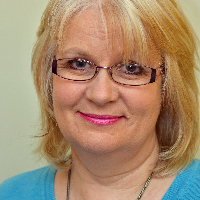
United Kingdom · 14 yrs exp
Stress, Anxiety · Relationship · Grief · Parenting · +13 more
Read profile
United Kingdom · 6 yrs exp
Relationship · Trauma and abuse · Grief · Self esteem · +15 more
Read profile
United Kingdom · 20 yrs exp
Stress, Anxiety · Relationship · Family · Trauma and abuse · +9 more
Read profile
United Kingdom · 5 yrs exp
Stress, Anxiety · Relationship · Family · Self esteem · +16 more
Read profile
United Kingdom · 4 yrs exp
Stress, Anxiety · Relationship · Trauma and abuse · Self esteem · +16 more
Read profile
United Kingdom · 10 yrs exp
Stress, Anxiety · Relationship · Intimacy-related issues · Eating · +13 more
Read profile
United Kingdom · 27 yrs exp
Stress, Anxiety · Relationship · Grief · Intimacy-related issues · +13 more
Read profile
United Kingdom · 5 yrs exp
Stress, Anxiety · Grief · Self esteem · Depression · +11 more
Read profile
United Kingdom · 12 yrs exp
Stress, Anxiety · Relationship · Grief · Self esteem · +12 more
Read profile
United Kingdom · 4 yrs exp
Stress, Anxiety · Relationship · Trauma and abuse · Grief · +12 more
Read profile
United Kingdom · 6 yrs exp
Stress, Anxiety · Relationship · Trauma and abuse · Grief · +7 more
Read profile
United Kingdom · 6 yrs exp
Stress, Anxiety · Relationship · Self esteem · Depression · +13 more
Read profileSelf-love is a broad, personal concept that relates to how you value, treat and speak to yourself. It is not about vanity or selfishness. For many people self-love is the steady sense that you are worthy of care, respect and kindness - both from others and from yourself. When self-love is present you may notice a more forgiving inner voice, clearer boundaries in relationships and an ability to accept imperfections without harsh judgement. When it is diminished, you may find yourself stuck in a cycle of self-criticism, people-pleasing or chronic comparison to others.
The experience of low self-love can influence many parts of life. You might avoid opportunities because you doubt your competence, remain in draining relationships because you feel undeserving of better, or punish yourself through unhelpful behaviours. Emotions such as shame, anxiety and persistent low mood often accompany struggles with self-regard. Understanding these patterns is a first step in changing them. Counselling for self-love focuses on the beliefs, habits and relational patterns that shape how you relate to yourself, and supports you to develop kinder, more sustainable ways of living and relating.
You might consider looking for a counsellor specialising in self-love if you notice repeated patterns that undermine your wellbeing. Persistent negative self-talk and feelings of unworthiness are common reasons people seek support. If you find yourself constantly comparing your achievements or appearance to others, minimising your successes, or feeling undeserving of care, these can be signs that working on self-love could be helpful. Other indicators include difficulty setting boundaries, people-pleasing that leaves you exhausted, or avoiding social situations because you expect rejection or judgement.
Sometimes the signs are more behavioural than emotional. You might struggle with perfectionism that prevents you finishing tasks, or engage in self-sabotaging behaviours that keep you from long-term goals. Relationship difficulties often point back to self-regard issues - for example, staying in relationships where you are undervalued, or reacting strongly to perceived criticism. If these patterns cause significant distress or limit your day-to-day functioning, counselling that focuses on nurturing self-compassion and exploring the roots of these beliefs can offer a practical route towards lasting change.
When you begin counselling for self-love, your counsellor will typically invite you to explore current difficulties and the history behind them. Sessions often combine gentle reflection on your internal narrative with practical exercises that help you notice and change unhelpful patterns. You can expect a gradual process where awareness leads to choices - noticing how you speak to yourself, experimenting with kinder responses and practising new ways of relating to others. Progress is usually non-linear; some weeks you may feel noticeable shifts, and other times the work will feel slower as you integrate change.
Counselling can include talking through significant life events that shaped your beliefs about yourself, examining family dynamics and cultural messages, and developing strategies for self-care. You might be encouraged to try small behavioural experiments between sessions, such as asserting a boundary or keeping a brief journal to record moments when you respond with kindness rather than criticism. The pace and emphasis will depend on your needs - some people benefit from exploring early life experiences, while others prefer a skills-based approach that builds immediate practical tools for day-to-day living.
A range of therapeutic approaches can be helpful in improving self-love. Some counsellors draw on cognitive approaches to help you notice and reframe negative thinking patterns that contribute to self-criticism. Others use person-centred methods that focus on building a warm, accepting relationship in which you can explore feelings without judgement. Psychodynamic work looks at how past relationships and unconscious patterns influence present behaviour, offering insight into long-standing self-beliefs. There are also approaches that emphasise emotion-focused techniques, helping you process and regulate difficult feelings that undermine self-worth.
When you read counsellor profiles you will often see a list of approaches they work with. It is useful to remember that a counsellor listing an approach does not guarantee particular qualifications in it. You can look for counsellors who explain how they apply different methods to self-love work - for example, combining practical skills to manage negative self-talk with reflective work on relational history. Many people prefer counsellors who are registered with professional bodies such as BACP or HCPC, or who are members of recognised UK associations like NCPS, as these registrations indicate adherence to professional standards and ethical practice.
Online counselling has become a common way to work on self-love, offering flexibility in where and how you meet. Sessions may take place by video call, phone or text-based messaging platforms. You can join from home or another location where you feel comfortable, which can make it easier to fit regular sessions around work, family life or mobility needs. Many people find that talking from a familiar environment helps them open up more quickly, while others prefer meeting face-to-face when possible - both formats can be effective for self-love work.
In practice, online counselling follows much the same structure as in-person work. You and your counsellor will agree on goals, session length and ways to manage sessions that may be emotionally intense. If you choose remote work, consider practicalities such as a quiet room where you will not be interrupted and a stable internet connection. Counsellors often discuss safeguarding and boundaries at the start of the work and will explain how they handle privacy, record-keeping and any limits to their role. Online sessions can be particularly useful if you want to access counsellors who specialise in self-love but live outside your local area or prefer remote communication.
Choosing a counsellor is a personal decision and there are a few practical things you can look for to help you decide. Think about the counsellor's stated focus areas and how they describe their approach to working with self-esteem and self-compassion. Look for clear information on their professional registration - for example, membership of BACP or HCPC, or affiliation with NCPS - as this indicates adherence to recognised ethical standards. It can also be helpful to note the languages they offer, their experience with issues similar to yours, and whether they work online, in person or both.
When you read profiles, pay attention to how the counsellor writes about the therapeutic relationship and what they emphasise in their practice. Some counsellors highlight reflective, exploratory work that looks at origins of self-belief, while others focus on practical skill-building to change daily behaviours. Think about which style feels more likely to suit you. Finally, trust your instincts about how you want to be supported. A counsellor who communicates clearly and respectfully in their profile is likely to create a space where you can begin to practise greater kindness towards yourself. Taking that first step is an important part of the journey.
Exploring profiles on this page can help you identify counsellors who list self-love among their focus areas and describe approaches that appeal to you. Reading about their methods, registration and languages can guide your choice. When you find a counsellor whose description matches your needs, reach out to learn more about how they work and whether their approach feels like a good fit for your self-love journey.