BACP
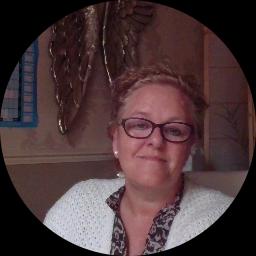
Carol Whitton, BACP
Therapist in the UK
Carol is a BACP therapist in the UK.
- 3+ years of experience
- Focus areas include Relationship issues, Family conflicts
- Approaches include Client-Centered Therapy
See availability and next steps on BetterHelp.
About Carol
She uses a client-centred style. That means sessions focus on the person's view and pace. Carol listens closely and reflects what she hears rather than directing the conversation. Together the client and counsellor shape the goals and next steps.
Sessions are tailored to individual needs. Carol adapts how she talks and plans work to fit each person. Some people prefer more practical problem-solving, others need time to process feelings. She will meet the person where they are and move at a manageable speed.
Carol has three years of professional experience and holds BACP registration, the British Association for Counselling and Psychotherapy accreditation. That background informs her approach and how she supports people during change.
Many people come wanting clearer choices, less overwhelm, or help after loss or trauma. Carol focuses on simple, steady progress. Conversations are plain and direct, with practical steps you can try between sessions.
To begin, people complete a short matching form and then schedule sessions that suit them. This helps make sure early meetings focus on the most pressing concerns and build a workable plan together.
Areas of expertise
Experience
3+ years
Credentials
BACP
Languages
English
Focus areas
See all focus areas
Approaches
Also listed for
How client-centred therapy translates to online support
Client-Centred Therapy focuses on the individual's perspective. The counsellor offers active listening, reflection and empathic understanding to help people make sense of their feelings and choices. This approach works well for issues such as grief, relationship strain, anxiety and questions about identity because it builds on what matters most to the person.Finding the right approach is part of the work. The therapist will collaborate with the client to choose ways of working that match goals and preferences. That might mean practical tasks between sessions, longer space to process a trauma, or a mix of both depending on how things evolve.
Online sessions are available by video calls, phone, live chat or text-based messaging. Video lets people meet face to face when that feels helpful. Phone sessions use less bandwidth and can fit into a shorter break. Live chat and messaging allow brief check-ins or ongoing written work between meetings. These options make it easier to arrange regular sessions around work, caring duties or travel.
Frequently asked questions
What kinds of problems does she support?
Carol supports people with relationship and family issues, trauma and abuse, grief, anxiety, depression, bipolar, ADHD and related concerns such as sleep problems and hoarding.
How would you describe her therapeutic style?
She uses a client-centred approach that prioritises the person's perspective and pace. Sessions focus on listening, reflection and agreeing practical steps together.
What experience does she bring?
Carol has three years of professional experience working with a range of emotional and behavioural concerns.
What credentials and region apply?
She holds BACP registration with professional practice in the United Kingdom.
Can I work with her if I live outside the UK?
Sessions are offered to international clients, and Carol conducts work with people who are based outside the United Kingdom.
What session formats are available?
She offers video calls, phone sessions, live chat and text-based messaging to suit different needs and schedules.
How does payment and cost work?
Costs vary with location and therapist availability; sessions are provided through a subscription that can be cancelled at any time.
How do I begin working with her?
Use the Start Therapy button, complete a short matching questionnaire, then schedule sessions according to the therapist's availability.