
Amanda Bouvier
BACP· Accepting clientsUnited Kingdom · 15 yrs exp
Stress, Anxiety · Family · Grief · Depression · +12 more
Read profileThe therapy listings are provided by BetterHelp and we will earn a commission if you use our link - at no cost to you.
This page lists counsellors and therapists who describe themselves as queer friendly and who note relevant approaches, languages and experience. Use the listings below to explore profiles and read about practitioners who may match your needs.
Browse the choices and click through to view qualifications, approaches and contact details for each professional.
United Kingdom · 15 yrs exp
Stress, Anxiety · Family · Grief · Depression · +12 more
Read profile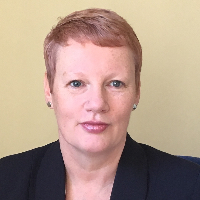
United Kingdom · 20 yrs exp
Relationship · Family · Trauma and abuse · Grief · +10 more
Read profile
United Kingdom · 5 yrs exp
Stress, Anxiety · Addictions · Trauma and abuse · Eating · +10 more
Read profile
United Kingdom · 5 yrs exp
Stress, Anxiety · Relationship · Family · Trauma and abuse · +14 more
Read profile
United Kingdom · 10 yrs exp
Stress, Anxiety · Relationship · Family · Trauma and abuse · +16 more
Read profile
United Kingdom · 13 yrs exp
Stress, Anxiety · LGBT · Trauma and abuse · Grief · +1 more
Read profile
United Kingdom · 9 yrs exp
Stress, Anxiety · Relationship · Family · Trauma and abuse · +12 more
Read profile
United Kingdom · 3 yrs exp
Stress, Anxiety · Addictions · Family · Trauma and abuse · +9 more
Read profile
United Kingdom · 6 yrs exp
Relationship · Trauma and abuse · Grief · Self esteem · +15 more
Read profile
United Kingdom · 5 yrs exp
Stress, Anxiety · Relationship · Family · Self esteem · +16 more
Read profile
United Kingdom · 4 yrs exp
Stress, Anxiety · Relationship · Trauma and abuse · Self esteem · +16 more
Read profile
United Kingdom · 10 yrs exp
Stress, Anxiety · Relationship · Intimacy-related issues · Eating · +13 more
Read profile
United Kingdom · 15 yrs exp
Stress, Anxiety · Relationship · Grief · Self esteem · +13 more
Read profile
United Kingdom · 27 yrs exp
Stress, Anxiety · Relationship · Grief · Intimacy-related issues · +13 more
Read profile
United Kingdom · 12 yrs exp
Stress, Anxiety · Relationship · Grief · Self esteem · +12 more
Read profile
United Kingdom · 4 yrs exp
Stress, Anxiety · Relationship · Trauma and abuse · Grief · +12 more
Read profile
United Kingdom · 7 yrs exp
Stress, Anxiety · Grief · Career · Compassion fatigue · +16 more
Read profile
United Kingdom · 20 yrs exp
Stress, Anxiety · Relationship · Family · Trauma and abuse · +13 more
Read profile
United Kingdom · 18 yrs exp
Stress, Anxiety · Relationship · Trauma and abuse · Depression · +12 more
Read profile
United Kingdom · 3 yrs exp
Stress, Anxiety · Relationship · Family · Trauma and abuse · +12 more
Read profile
United Kingdom · 11 yrs exp
Relationship · Trauma and abuse · Anger · Self esteem · +11 more
Read profile
United Kingdom · 4 yrs exp
Stress, Anxiety · Sleeping · Self esteem · Career · +14 more
Read profile
United Kingdom · 20 yrs exp
Relationship · Family · Grief · Depression · +14 more
Read profile
United Kingdom · 4 yrs exp
Stress, Anxiety · Trauma and abuse · Grief · Parenting · +13 more
Read profileWhen a counsellor or therapist uses the term queer friendly they are signalling that they aim to provide an affirming atmosphere for people across sexual orientations and gender identities. For many clients this label indicates that the practitioner is aware of the social and cultural issues that shape LGBTQ+ lives - such as stigma, minority stress, or family dynamics - and that they are willing to work from a perspective that respects your identity. The phrase does not guarantee any single method of practice, nor does it indicate a specific qualification; it simply describes an orientation to working with queer clients rather than a formal accreditation.
If you are exploring what queer friendly means for your own experience, you may find that it includes therapists who pay attention to the ways that coming out, transitioning, relationship diversity or cultural background intersect with mental health. Some people seek an affirmative space because they have faced discrimination or microaggressions, while others want a counsellor who will speak knowledgeably about gender terminology, relationship structures, or community contexts. The term is broad, so it is useful to read individual profiles to see how each practitioner frames their work and the populations they specialise in.
You might consider a queer friendly counsellor if you find yourself struggling with questions about identity or connection, or if past experiences of prejudice are affecting your day to day life. Common reasons people seek support include anxiety or low mood linked to coming out, navigating relationships where partners have differing expectations, confusion about gender identity, or grief connected to rejection from family or community. You may also seek help if practical stresses such as workplace discrimination, housing concerns, or access to healthcare are taking an emotional toll.
Another sign that you could benefit from queer focused therapy is recurring patterns in your relationships that feel related to how you present or how others respond to your identity. This might show up as difficulties trusting partners, chronic people-pleasing, or avoidance of certain social settings. Many people also look for support when they are considering gender transition, exploring non-monogamous arrangements, or managing the impact of trauma. If these issues resonate, a counsellor who describes themselves as queer friendly is likely to be more attuned to the cultural and interpersonal dimensions of your situation.
When you begin working with a queer friendly therapist you can generally expect the first few sessions to be an opportunity to build rapport and to clarify what matters to you. The initial conversation often covers practical details such as how you would like to be addressed and what your priorities are, alongside information about the counsellor's professional registration and approach. In the UK many practitioners are registered with bodies such as BACP, HCPC or NCPS; these registrations can give you a sense of their professional standing and expected ethical standards.
Therapy for queer related concerns tends to combine emotional exploration with practical strategies. You might talk about family histories, experiences of discrimination, or internalised stigma, and also work on skills such as assertive communication, boundary-setting or emotion regulation as relevant. Sessions are typically one-to-one and may move at your pace: some people want deep personal reflection, while others prefer solution-focused work addressing immediate stressors. You should expect respectful discussion of identity-related topics, and a collaborative exploration of goals rather than a prescriptive programme.
When discussing sensitive material, it is reasonable to ask how your information is handled and what limits there are to professional information-sharing boundaries. A counsellor can explain their policies about record-keeping, information sharing and situations where they would need to involve others, such as risks to safety. Having that conversation early can help you feel clearer about how personal material will be treated and what safeguards are in place to support you.
There is no single therapy model that defines queer friendly practice. Many counsellors combine elements from different schools to meet your needs. Person-centred and humanistic approaches often emphasise non-judgemental empathy and the client's capacity for self-directed growth. Cognitive-behavioural approaches focus on patterns of thought and behaviour that maintain distress, offering concrete tools to test and change unhelpful habits. Psychodynamic work pays attention to how past relationships shape current patterns and can be helpful when longstanding relational themes are causing difficulty.
Other practitioners highlight narrative approaches, which invite you to re-author the stories you tell about yourself and your relationships, and relational therapies that explore dynamics between you and others. Some profiles will note trauma-informed practice or that therapists list EMDR among their approaches; this indicates interest in trauma-related work rather than a guaranteed training status. When you read a profile, look for descriptions of focus areas and ways of working rather than relying on single labels, because the same label can mean different things in different hands.
Online therapy has become a common way to access queer friendly counselling across the UK. You can expect sessions to take place via video call, phone, or message-based formats depending on what the practitioner offers. Online work can make it easier to connect with someone who understands your specific cultural or identity context, especially if you live in an area with fewer local options. It can also provide continuity if you are travelling or have commitments that make in-person attendance difficult. When choosing online therapy, consider the technology the therapist uses and whether you have a personal room or personal setting where you feel comfortable speaking openly.
Choosing the right therapist is a personal process. You may prioritise a clinician who explicitly names LGBTQ+ concerns in their profile, someone who shares a similar cultural background, or a practitioner who offers particular languages. Look for clear information about professional registration with UK bodies such as BACP, HCPC or NCPS, which indicates adherence to professional standards. Read how counsellors describe their experience and approaches, and pay attention to whether they mention working with specific issues that matter to you, for example gender exploration, relationship diversity or minority stress. If you are unsure, it is acceptable to contact a few practitioners to ask brief questions about their approach and how they work with queer identities before deciding who to work with.
Finally, trust your instincts about fit. The relationship you form with your counsellor is central to the work, and feeling heard, respected and understood is often more important than matching every credential. Take the time to read profiles, consider practicalities such as session length and fees, and choose someone whose description of practice aligns with your needs. Therapy can be a place to explore identity, heal from hurt and develop practical skills for everyday life, and a queer friendly counsellor can be one part of that journey when you find a good fit for you.