NCPS
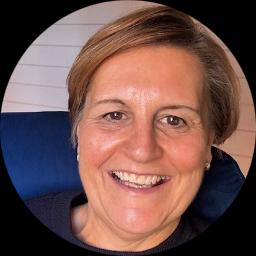
Dawn Gigg, NCPS
Therapist in the UK
Dawn is a NCPS therapist in the UK.
- 4+ years of experience
- Focus areas include Family conflicts, Trauma and abuse
See availability and next steps on BetterHelp.
About Dawn
She has NCPS listed after her name, which is shown as her credential. Dawn has worked in private practice and within charitable organisations. That background informs a calm, down-to-earth approach to talking about difficult experiences.
Dawn uses a mix of evidence-based techniques and human-centred listening to tailor sessions to each person. She pays attention to attachment issues, mood concerns, post-traumatic stress, dissociation, and problems that arise from guilt or shame. She also supports people dealing with autism and Asperger syndrome, avoidant or dependent personality patterns, communication difficulties, and self-harm thoughts.
Sessions with Dawn are described as warm and interactive. She aims to listen without judgment and to help clients set small, realistic goals they can try between meetings. Her style combines reflective conversation with practical suggestions that fit a person’s day-to-day life.
For anyone unsure where to start, Dawn encourages a first step of describing the most pressing problem. From there she and the client work together to build a plan that feels manageable and relevant.
Areas of expertise
Experience
4+ years
Credentials
NCPS
Languages
English
Focus areas
How therapeutic approaches translate to online care
Many of the approaches Dawn draws on are evidence-based and focus on practical change. Cognitive-behavioural techniques help identify unhelpful thoughts and behaviours and replace them with healthier alternatives; these methods are useful for mood concerns, anxiety and some trauma reactions. Person-centred work emphasises listening and creating a respectful therapeutic relationship so people feel heard and can explore what matters most to them.Finding the right approach is a collaborative process. Dawn will work with each person to match techniques to their needs, goals and preferences. Together they will review what is and isn’t helpful and adjust the plan as therapy progresses.
Online formats make it easier to fit therapy around daily life. Video calls allow face-to-face conversation when visual cues matter. Phone sessions can be a lower-bandwidth option or good for shorter check-ins. Live chat and text-based messaging let someone reflect and respond in writing, and they can be useful for keeping momentum between longer sessions. These options give flexibility for different schedules and practical circumstances while keeping the focus on useful, evidence-based work.
Frequently asked questions
What kinds of problems does Dawn focus on?
Dawn focuses on family concerns, trauma and abuse, grief, parenting challenges, and adjusting to life changes. Additional areas include attachment, mood disorders, post-traumatic stress, self-harm, and communication problems.
What is Dawn's therapeutic style like?
Her style is warm, compassionate and interactive. Sessions combine listening with practical suggestions and collaborative goal-setting.
What experience does she bring to sessions?
She has four years of clinical experience working in private practice and with charitable organisations. That mix has given her exposure to a wide range of emotional and family issues.
What credentials does Dawn hold and where is she based?
Dawn lists NCPS after her name as her credential and is based in the United Kingdom.
Which languages are supported for sessions?
Sessions are offered in English.
Can people outside the UK work with her?
International clients are not currently accepted for sessions.
What formats are available for online sessions?
She offers video calls, phone sessions, live chat, and text-based messaging to suit different needs and schedules.
How much do sessions cost and how does billing work?
Cost varies with location and therapist availability; sessions are delivered through a subscription model that can be cancelled at any time.