BACP
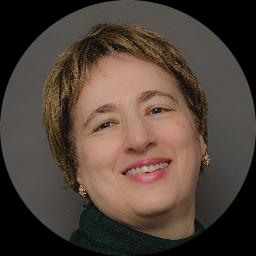
Esther Mordant, BACP
Therapist in the UK
Esther is a BACP therapist in the UK.
- 7+ years of experience
- Focus areas include Stress, Anxiety, Relationship issues
- Approaches include Attachment-Based Therapy, Existential Therapy
See availability and next steps on BetterHelp.
About Esther
Esther helps people who are struggling with stress and anxiety, relationship difficulties, trauma and abuse, grief and loss, and low self-esteem. She also focuses on areas such as adoption and foster care, attachment issues, divorce and separation, guilt and shame, and multicultural concerns. Sessions are conversational and aim to make space for honest reflection.
Her psychodynamic work pays attention to the unconscious - gut feelings, dreams, intuitions and fleeting insights. Esther often invites clients to consider childhood influences and patterns that repeat across generations. This can help explain current reactions and relationship difficulties.
She also uses ideas from attachment-based and existential approaches to support clients who feel stuck or directionless. That can include exploring how close bonds were formed and what gives life meaning now. The style is gentle but direct, with a focus on understanding and practical change.
Esther holds additional certificates in couple counselling, bereavement counselling and adoption-support counselling. Outside her practice she volunteers for two counselling charities that support young people, which informs her work with those navigating challenging life transitions.
Areas of expertise
Experience
7+ years
Credentials
BACP
Languages
English, Hebrew, Russian
Focus areas
How Esther's approaches translate to online therapy
Attachment-based work looks at how early relationships shaped expectations about closeness and trust. Online sessions can use conversations about current bonds and past experiences to help people notice patterns and try new ways of connecting. Existential therapy focuses on meaning, choice and responsibility when life feels uncertain. That approach supports people facing loss, major changes, or questions about direction by helping them clarify values and make deliberate choices. Psychodynamic therapy pays attention to unconscious feelings, recurring themes and gut instincts. In online sessions this can include reflecting on dreams, slips of the tongue, or strong emotional reactions that arise during conversation.Finding the right approach is part of the work. Esther treats this as a collaboration - she listens to your needs, discusses different ways of working, and together you agree what to try first. If an approach does not feel helpful, it can be adjusted so therapy better matches your goals and preferences.
Online therapy offers practical benefits. Video calls allow face-to-face conversation when meeting in person is difficult. Phone sessions need less bandwidth and can be easier on days when you prefer not to be on camera. Live chat and text-based messaging suit quick check-ins, shorter reflections, or keeping a thread between scheduled sessions. These options give flexibility around work, travel or caregiving commitments and make it simpler to fit therapy into a busy life.
Frequently asked questions
What kinds of concerns does Esther help with?
She works with stress, anxiety, relationship problems, trauma and abuse, grief, and low self-esteem. She also focuses on adoption and foster care, attachment issues, divorce and separation, and related areas.
How would you describe her therapeutic style?
Her style is conversational and reflective, paying attention to unconscious patterns, gut feelings and memories. Sessions balance understanding past influences with making practical changes now.
What is her professional background?
She has seven years of experience and a background in higher education and business. She also volunteers with counselling charities that support young people.
What credentials and location are listed?
She is registered with the British Association for Counselling and Psychotherapy (BACP) and works from the United Kingdom.
Which languages are available for sessions?
Sessions are offered in English, Hebrew and Russian.
What session formats does she offer?
She sees people by video calls, phone sessions, live chat, or text-based messaging. These options let clients choose what fits their routine and comfort.
How are sessions charged?
Cost varies by location and therapist availability; sessions use a subscription model that can be cancelled at any time.
How do I begin working with her?
Use the Start Therapy button, complete a short matching questionnaire, and then schedule according to the therapist's availability.