
Amanda Bouvier
BACP· Accepting clientsUnited Kingdom · 15 yrs exp
Stress, Anxiety · Family · Grief · Depression · +12 more
Read profileThe therapy listings are provided by BetterHelp and we will earn a commission if you use our link - at no cost to you.
This page lists counsellors who specialise in hospice and end-of-life counselling across the UK. Each profile shows focus areas, therapeutic approaches, registrations such as BACP or HCPC, and languages spoken. Browse the listings below to view individual profiles and contact details.
United Kingdom · 15 yrs exp
Stress, Anxiety · Family · Grief · Depression · +12 more
Read profile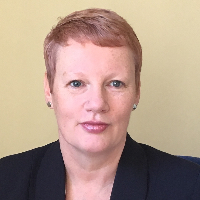
United Kingdom · 20 yrs exp
Relationship · Family · Trauma and abuse · Grief · +10 more
Read profile
United Kingdom · 27 yrs exp
Stress, Anxiety · Relationship · Grief · Intimacy-related issues · +13 more
Read profile
United Kingdom · 7 yrs exp
Stress, Anxiety · Grief · Career · Compassion fatigue · +16 more
Read profile
United Kingdom · 18 yrs exp
Stress, Anxiety · Relationship · Trauma and abuse · Depression · +12 more
Read profile
United Kingdom · 3 yrs exp
Stress, Anxiety · Relationship · Anger · Self esteem · +11 more
Read profile
United Kingdom · 20 yrs exp
Relationship · Family · Grief · Depression · +14 more
Read profile
United Kingdom · 15 yrs exp
Stress, Anxiety · Relationship · Trauma and abuse · Self esteem · +16 more
Read profile
United Kingdom · 7 yrs exp
Stress, Anxiety · LGBT · Family · Intimacy-related issues · +15 more
Read profile
United Kingdom · 20 yrs exp
Addictions · Relationship · Trauma and abuse · Self esteem · +12 more
Read profile
United Kingdom · 5 yrs exp
Stress, Anxiety · Addictions · Grief · Self esteem · +16 more
Read profile
United Kingdom · 8 yrs exp
Stress, Anxiety · Relationship · Anger · Self esteem · +5 more
Read profile
United Kingdom · 20 yrs exp
Stress, Anxiety · Trauma and abuse · Grief · Anger · +13 more
Read profile
United Kingdom · 12 yrs exp
Stress, Anxiety · Relationship · Family · Trauma and abuse · +12 more
Read profile
United Kingdom · 13 yrs exp
Stress, Anxiety · Relationship · Family · Parenting · +13 more
Read profile
United Kingdom · 15 yrs exp
Stress, Anxiety · Addictions · Relationship · Trauma and abuse · +13 more
Read profile
United Kingdom · 27 yrs exp
Stress, Anxiety · Relationship · Eating · Self esteem · +16 more
Read profile
United Kingdom · 12 yrs exp
Stress, Anxiety · Addictions · Relationship · Trauma and abuse · +16 more
Read profile
United Kingdom · 9 yrs exp
Stress, Anxiety · Grief · Parenting · Self esteem · +7 more
Read profile
United Kingdom · 5 yrs exp
Stress, Anxiety · Trauma and abuse · Grief · Self esteem · +13 more
Read profile
United Kingdom · 40 yrs exp
Relationship · Family · Grief · Parenting · +14 more
Read profile
United Kingdom · 5 yrs exp
Relationship · Trauma and abuse · Parenting · Self esteem · +15 more
Read profile
United Kingdom · 5 yrs exp
Stress, Anxiety · Relationship · Trauma and abuse · Grief · +13 more
Read profile
United Kingdom · 15 yrs exp
Stress, Anxiety · Relationship · Grief · Intimacy-related issues · +12 more
Read profileHospice and end-of-life counselling is a form of emotional and practical support aimed at people facing terminal illness, advanced frailty, or the prospect of death, and at the family members and carers who accompany them. Counselling in this context often addresses fear, grief, existential questions, changes in identity and relationships, and practical worries about care and planning. The experience touches not only the person who is ill but also partners, children, siblings and friends, so work in this area frequently considers systems and connections as well as individual needs.
Because the concerns are wide-ranging - from symptom-related distress to moral and spiritual questions - counselling may feel different from other routes of therapy. Sessions can include space for exploring memories, life review and meaning-making as well as practical planning and communication strategies. You may also find that emotions shift over time, moving between anger, relief, sorrow and acceptance, and a counsellor can help you make sense of those changes and find ways to cope that suit your values and circumstances.
If you are confronting end-of-life issues either for yourself or a loved one, you might notice persistent feelings that interfere with daily life, such as overwhelming anxiety about the future, difficulty sleeping, trouble concentrating or withdrawing from close relationships. You may be struggling with conversations about care preferences, legal arrangements or the emotional fallout of a life-limiting diagnosis. Family members and carers may feel exhausted, helpless or trapped by the dual demands of caregiving and everyday responsibilities.
Other signs that counselling could help include repetitive intrusive thoughts about illness and dying, an inability to express emotions in a way that feels manageable, or intense avoidance of topics that need to be addressed. You might simply want a calm, professional space to talk through options, talk about legacy and wishes, or prepare emotionally for the stages ahead. Counselling is for anyone seeking support with these concerns, whether you are the person living with an illness, a partner, an adult child, a friend or a carer.
When you start counselling for hospice or end-of-life issues, the initial sessions are usually focused on understanding your current situation, priorities and what you hope to gain. A counsellor will ask about your personal history, relationships and any pressing practical matters that affect your emotional wellbeing. Together you will set goals that might include managing anxiety, improving communication within the family, processing anticipatory grief, or reflecting on life narrative and values.
Sessions often balance emotional exploration with practical planning. You might spend time telling life stories, discussing unfinished business or imagining meaningful rituals. You may also work on strategies for conversations about wishes and care, or on coping techniques when distress feels intense. Counselling can involve one-to-one meetings with the person facing the end of life, joint sessions with family members, or sessions focused on bereavement preparation. The pace will be tailored to your needs, and you should expect the counsellor to check in regularly about whether the approach is helping.
Family dynamics and carer stress are common topics. Some sessions may bring family members together to improve communication, negotiate roles and resolve tensions. Other times you may prefer separate sessions to allow each person to express fears and needs without feeling protective or silenced. Counsellors who work in this specialty often collaborate with hospice teams, social workers and other professionals to ensure that emotional support complements practical care.
There is no single way to work in end-of-life counselling, and you will find a range of approaches among counsellors. Some therapists use narrative techniques to help you tell and reframe life stories. Others draw on meaning-centred or existential approaches to explore questions of purpose, legacy and mortality. Therapists who list cognitive-behavioural approaches may offer tools to manage distressing thoughts and symptoms, while those who mention mindfulness or compassion-focused approaches often provide practices to reduce anxiety and improve present-moment coping.
There are also relational and family systems approaches that attend to how dynamics between people shape experience during illness. Some counsellors list specialist forms such as dignity therapy or life review among their approaches. It is important to remember that a listed approach reflects the methods a counsellor uses in practice and does not represent formal certification in that method. When you read profiles, look at how a counsellor describes their work and whether that phrasing resonates with your needs.
Online counselling has become a widely used option for people seeking end-of-life support, particularly when travel is difficult or when illness limits mobility. Sessions may take place via video call, telephone or text-based messaging, and each format has different strengths. Video calls preserve visual cues and a sense of presence, which can be helpful for relational work and family meetings. Telephone sessions can feel more accessible when you prefer not to be on camera, and messaging provides a way to communicate between sessions or when symptom flare-ups make synchronous meetings challenging.
When arranging online sessions, check how the counsellor manages practicalities such as appointment length, technology platforms and contingency plans for dropped calls. You should also agree on how to involve carers or hospice staff if joint work is needed. Online work can enable you to include family members who live in different locations and can make it easier to maintain continuity of care during difficult periods. It is reasonable to ask a prospective counsellor about their experience working online with end-of-life issues and how they adapt their approach when sessions are remote.
Choosing a counsellor is a personal process. Start by identifying the priorities that matter to you - whether that is experience with bereavement, a focus on family work, comfort talking about spiritual or existential matters, language spoken or registration with a professional body such as BACP, HCPC or NCPS. Registration with these organisations indicates adherence to a professional code and ongoing professional development, which many people find helpful when comparing profiles.
Read how counsellors describe their approach and populations they work with, and look for language that aligns with your needs. You might prefer someone who emphasises practical planning and symptom management, or someone who highlights life review and meaning-making. Consider practical matters such as session length, fees, and whether they offer home visits, hospice-based sessions or online work. If you are arranging therapy on behalf of a relative, think about whether joint sessions would be useful and whether the counsellor has experience working with family systems in this context.
Finally, trust your own response when you contact a counsellor. Feeling heard, respected and understood in initial communications can be an important indicator of fit. Many people find it helpful to prepare questions in advance about the counsellor's experience with end-of-life matters, their approach to family sessions and how they work with other professionals involved in care. Taking these steps can make it easier to find a counsellor who you feel comfortable working with during a deeply personal and often complex time.