BACP
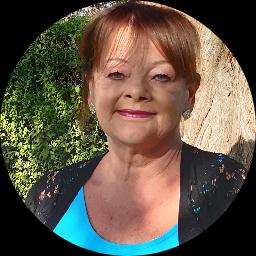
Linda Coggan, BACP
Therapist in the UK
Linda is a BACP therapist in the UK.
- 18+ years of experience
- Focus areas include Stress, Anxiety, Relationship issues
- Approaches include Attachment-Based Therapy, Client-Centered Therapy
See availability and next steps on BetterHelp.
About Linda
Linda helps people talk through relationship difficulties and grief in straightforward language. She also supports those coping with trauma, anger, sleep or eating problems, and life transitions. Her focus includes concerns such as abandonment, attachment issues, codependency and communication problems. She also works with people navigating blended family dynamics, fatherhood issues and caregiver stress.
Sessions aim to be warm and non-judgemental. Linda encourages clients to notice what gets in the way of feeling steady and to try small practical changes. Cognitive-behavioural techniques are used where helpful to shift unhelpful thoughts and routines. Mindfulness practices are offered to build calm and clearer focus.
Therapy is collaborative and paced to each person. Linda helps people set realistic goals and checks in on progress. The work may include exploring painful memories with trauma-focused methods when needed, alongside building better communication and coping skills.
To begin, people complete a short matching questionnaire and schedule sessions. Linda offers video calls, phone sessions, live chat or text-based messaging as ways to work together.
Areas of expertise
Experience
18+ years
Credentials
BACP
Languages
English
Focus areas
See all focus areas
Approaches
Also listed for
See all related areas
How attachment, CBT and mindfulness work online
Linda uses attachment-based methods to help people understand patterns in their close relationships and how these affect feelings and behaviour. This approach helps when people struggle with trust, abandonment worries or repeating painful relationship cycles.She also uses cognitive behavioural therapy to identify unhelpful thoughts and habits and to try small practical changes. CBT is useful for anxiety, low mood, sleep or eating difficulties because it breaks problems into manageable steps. Mindfulness practices are offered to help people notice their thoughts and calm their nervous system through simple exercises and breathing techniques.
Choosing the right approach is part of the work. Linda collaborates with each person to decide which methods fit their goals and preferences, and she adapts the plan as progress is made. This keeps the process practical and responsive.
Online therapy offers flexible ways to meet. Video calls suit deeper, face-to-face conversations. Phone sessions can work when being on camera is difficult. Live chat or text-based messaging are useful for brief check-ins, written reflection and people who prefer typing. These options make it easier to fit sessions around work, childcare and other commitments while retaining consistent therapeutic support.
Frequently asked questions
What concerns does Linda commonly address?
She helps with stress, anxiety, depression, relationship difficulties, grief, trauma and abuse, sleep and eating issues, parenting strain, anger and low self-esteem.
What style of therapy does she use?
Linda combines attachment-based work and client-centred listening with cognitive behavioural techniques and mindfulness practices to offer practical, steady support.
How much clinical experience does she have?
She has 18 years of professional experience working in therapeutic roles in the United Kingdom.
What are her credentials and where is she based?
She is a BACP Therapist - Registered Member MBACP and practises in the United Kingdom.
Which languages are sessions offered in?
Sessions are offered in English.
What session formats are available?
Sessions can be arranged as video calls, phone sessions, live chat or text-based messaging to suit different needs and schedules.
How do fees and payment work?
Cost varies with location and therapist availability; sessions use a subscription model that can be cancelled at any time.
What are the first steps to begin therapy?
Start by selecting the Start Therapy button, complete a short matching questionnaire, and then schedule sessions according to the therapist's availability.