NCPS
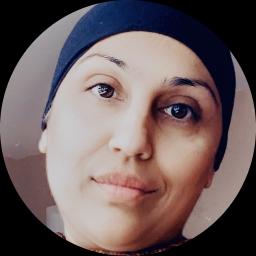
Naghma Ferdos, NCPS
Therapist in the UK
Naghma is a NCPS therapist in the UK.
- 10+ years of experience
- Focus areas include Stress, Anxiety, Relationship issues
- Approaches include Client-Centered Therapy, Cognitive Behavioral Therapy (CBT)
See availability and next steps on BetterHelp.
About Naghma
She draws on client‑centred work to create a supportive space where people feel heard. She also uses cognitive behavioural ideas to help shift unhelpful thoughts and mindfulness skills to reduce day‑to‑day tension. Solution‑focused techniques help set realistic goals and move forward between sessions.
Across a decade of practice she has supported people through relationship strain, trauma and abuse, bereavement and parenting pressures. She also works with issues such as self‑esteem, anger, codependency and attachment concerns. Additional focus includes immigration issues, multicultural concerns and the emotional impact of serious illness such as cancer.
Naghma is registered with NCPS, and she offers sessions from the United Kingdom. She speaks English and is able to support international clients when arrangements are agreed. Sessions are offered in formats that include video calls, phone sessions, live chat and text messaging.
Her way of working is collaborative and goal‑oriented. Clients and therapist agree small, practical steps and review progress together. Naghma aims to keep sessions clear and down to earth, so people can use what they learn in their daily lives.
Areas of expertise
Experience
10+ years
Credentials
NCPS
Languages
English
Focus areas
Practical approaches for online therapy
Client‑centred therapy focuses on listening and understanding the person's view of their life. It creates a non‑judgemental space where the counsellor follows the person's lead and reflects what matters most to them. Cognitive behavioural therapy, or CBT, looks at links between thoughts, feelings and actions and offers simple strategies to test and change unhelpful thinking patterns. These approaches can help with anxiety, stress, relationship difficulties and low mood.Finding the best approach is part of the work. The therapist will discuss goals, preferences and what feels most useful, and then try techniques together. This collaborative process means the plan can be adjusted as progress is made.
Online sessions give practical flexibility. Video calls let people read body language and have a fuller conversation. Phone sessions can be quicker check‑ins or suit lower bandwidth. Live chat and text messaging support shorter updates, written reflection and ongoing contact between meetings. These options make it easier to fit therapy around work, caregiving and busy days, while keeping the focus on steady, usable progress.
Frequently asked questions
What concerns does she help with?
She helps people facing stress, anxiety, relationship strain, trauma and abuse, self‑esteem difficulties and grief.
What is her therapeutic style?
Her style blends client‑centred listening with cognitive behavioural and mindfulness techniques, plus solution‑focused goal work.
How much experience does she have?
She has ten years of professional experience working in mental health settings.
Where is she based and what credential does she hold?
She practises from the United Kingdom and holds NCPS as her listed credential.
Which languages are supported in sessions?
Sessions are offered in English.
What session formats are available?
Clients can meet by video call, phone session, live chat or text‑based messaging.
How is cost handled?
Cost varies with location and therapist arrangements; sessions use a subscription that can be cancelled at any time.
How do I begin working with her?
Start by selecting the Start Therapy button, complete a short matching questionnaire and then schedule sessions according to the therapist's availability.