BACP
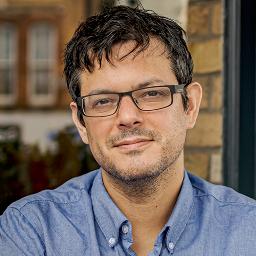
Paul Currie, BACP
Therapist in the UK
Paul is a BACP therapist in the UK.
- 5+ years of experience
- Focus areas include Stress, Anxiety, Trauma and abuse
See availability and next steps on BetterHelp.
About Paul
Paul draws on evidence-based therapeutic techniques and adapts them to each person. He listens to what matters most to the client, then chooses simple strategies to reduce distress and build coping skills. Sessions might include talking through painful memories, learning ways to manage overwhelming feelings, or practicing new habits for sleep, eating and routine.
He has five years' experience working with a broad range of concerns including trauma and abuse, addiction, relationship and intimacy-related issues, ADHD, bipolar and compassion fatigue. Paul also offers support around chronic pain, illness and disability, divorce and separation, and feelings of guilt or shame.
Paul aims to create a space where people can be honest without pressure. He says therapy helped him through hard times, and he brings that perspective to his work. The pace and methods are shaped by what the client finds most helpful.
Sessions are available in English and are carried out online by video, phone, live chat or text messaging. People start by completing a short matching questionnaire and then schedule sessions based on availability. The service uses a cancellable subscription model for sessions.
Areas of expertise
Experience
5+ years
Credentials
BACP
Languages
English
Focus areas
See all focus areas
Also listed for
See all related areas
Approaches that guide online sessions
Evidence-based techniques are used and adapted to each person. One common approach focuses on practical coping skills to reduce anxiety and manage stress. This involves learning simple techniques for breathing, grounding and pacing daily tasks so feelings feel less overwhelming.Another approach works with difficult memories and emotions to reduce their hold on daily life. This often means talking through painful experiences at a steady, controlled pace and building ways to handle strong feelings when they arise.
Choosing the right approach is a collaborative process. The therapist will ask about your goals and what has or hasn’t helped before, then suggest options to try. You and the therapist review what feels useful and adjust the plan together over time.
Online sessions offer practical flexibility. Video calls let you use face-to-face conversation when you want visual contact. Phone sessions need less bandwidth and can be easier to fit into a work break. Live chat or text messaging suits quick check-ins, shorter conversations or people who prefer writing to talking. These formats make it easier to keep therapy going around life commitments and varying schedules.
Frequently asked questions
What issues does he help with?
He supports people with stress, anxiety, depression, trauma and abuse as well as grief, self-esteem and relationship concerns.
What style of therapy can I expect?
Sessions use evidence-based therapeutic techniques adapted to each person. The work is practical and focused on skills you can use between meetings.
How much experience does he have?
Paul has five years of clinical experience working with a wide range of mental health and life challenges.
What are his credentials and where is he based?
He is listed with the British Association for Counselling and Psychotherapy, BACP, and practises from the United Kingdom.
Which languages are available for sessions?
Sessions are offered in English.
Can people outside the UK work with him?
International clients are not currently accepted; sessions are provided to people based in the United Kingdom.
What session formats are offered?
He meets people via video calls, phone sessions, live chat or text-based messaging to suit different needs and schedules.
How do I start therapy with him?
Click the Start Therapy button, complete a short matching questionnaire and then arrange sessions according to therapist availability.