BACP
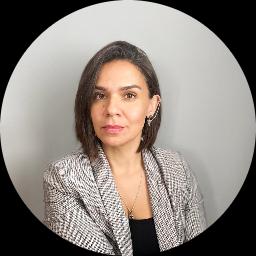
Shushanik Gasparyan, BACP
Therapist in the UK
Shushanik is a BACP therapist in the UK.
- 8+ years of experience
- Focus areas include Stress, Anxiety, Trauma and abuse
- Approaches include Client-Centered Therapy, Narrative Therapy
See availability and next steps on BetterHelp.
About Shushanik
Shushanik supports people coping with stress, anxiety, depression and the effects of trauma and abuse. She also helps with relationship and family concerns, grief, low self-esteem, addictions, eating and sleeping difficulties, anger, and life changes. Additional focus areas include ADHD, compulsions and obsessive patterns, identity and multicultural concerns, and intimacy-related problems.
Her practice draws on client-centred, narrative and psychodynamic ways of working. In sessions she listens for personal stories and repeating patterns, and then helps people test new ways of thinking and behaving. Conversations aim to feel safe and straightforward so people can bring the issues that trouble them most.
Shushanik has previously worked with humanitarian organisations on child protection projects. That background informs her sensitivity to trauma, multicultural experiences and the impact of difficult life events. She brings practical support alongside longer-term reflection.
Sessions are offered by video call, phone, live chat or messaging so people can choose the format that fits their life. Getting started involves a short matching questionnaire and scheduling a session based on the therapist's availability. Shushanik focuses on steady, collaborative progress rather than quick fixes.
Areas of expertise
Experience
8+ years
Credentials
BACP
Languages
English, Armenian
Focus areas
See all focus areas
Also listed for
Therapeutic approaches and online support
Shushanik uses client-centred work to prioritise the person's experience and build a trusting relationship. This approach focuses on listening, reflecting what matters to the client, and helping people find their own solutions to stress, anxiety or life changes.Narrative therapy is used to explore the stories people tell about themselves. It helps separate the problem from the person and can be useful for issues like low self-esteem, family problems, addiction and cultural identity questions.
Psychodynamic ideas help identify repeating patterns from past experience that influence current feelings and relationships. This can be helpful for trauma, relationship difficulties, compulsive behaviours and questions about life purpose.
Choosing the right approach is part of the therapeutic process. Shushanik will work together with the client to decide which methods fit best based on their needs, goals and preferences. This collaborative way means approaches can be adjusted as therapy progresses.
Online sessions are offered by video call, phone, live chat or text-based messaging, providing flexibility for different schedules and communication styles. Video calls work well for deeper conversation and visual connection, phone sessions can be easier when bandwidth is limited, and messaging or live chat suit shorter check-ins or people who prefer typing. These options make it simpler to fit therapy around work, family and travel.
Frequently asked questions
What concerns does Shushanik help with?
She supports people with stress, anxiety, depression, trauma and abuse, and related issues such as low self-esteem, grief, addictions and relationship difficulties.
What is her therapeutic style like?
Her practice is client-centred, listening to each person's story and working collaboratively. She also uses narrative and psychodynamic ideas to uncover patterns and meanings.
How much experience does she have?
Shushanik has eight years of professional experience working in the United Kingdom, including project work with international organisations on child protection.
What credentials and location are listed?
She is registered with the British Association for Counselling and Psychotherapy (BACP) and practises in the United Kingdom.
Which languages are available for sessions?
Sessions are offered in English and Armenian, and she accepts international clients.
What session formats are offered?
Therapy is available via video calls, phone sessions, live chat or text-based messaging to suit different needs and schedules.
How are sessions paid for and what do they cost?
Cost varies with location and therapist availability; sessions use a subscription model that can be cancelled at any time.
How do I begin working with her?
Start by selecting the Start Therapy button, completing a short matching questionnaire, and then scheduling sessions according to the therapist's availability.