BACP
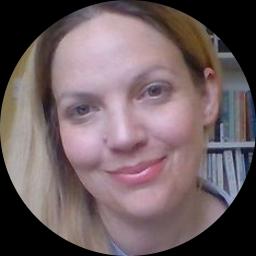
Tanya Chapman, BACP
Therapist in the UK
Tanya is a BACP therapist in the UK.
- 3+ years of experience
- Focus areas include Stress, Anxiety, Trauma and abuse
See availability and next steps on BetterHelp.
About Tanya
In sessions Tanya aims to create a space where clients can speak openly about difficult thoughts and feelings. She focuses on understanding what is happening now and finding manageable steps forward. Conversations are kept simple and focused, so issues like trauma, abuse, self-harm and addictions are explored at a pace that feels workable for the person.
Tanya also supports people dealing with ADHD, bipolar and sleep or eating difficulties. She offers help with relationship worries, self-esteem, LGBT-related concerns and the challenges young adults face. Additional areas of focus include obsessive and compulsive behaviours, hoarding and personality-related problems.
Her approach is practical and evidence-informed, aimed at helping clients reduce distress and build coping strategies. Sessions can include talking, planning small behavioural changes, and practising skills between meetings. The therapist adapts to each person’s needs rather than using a one-size-fits-all plan.
People who choose Tanya can expect a steady, compassionate presence and clear steps to try between sessions. She encourages small goals and regular check-ins to measure progress. The first appointment begins with a short assessment to shape the work ahead.
Areas of expertise
Experience
3+ years
Credentials
BACP
Languages
English
Focus areas
See all focus areas
Therapeutic approaches and online options
Two evidence-informed approaches often used in short-term work are practical skills-based therapy and trauma-informed talking therapy. Skills-based work focuses on simple techniques to manage mood, anxiety and sleep, often using behavioural experiments and activity planning. Trauma-informed talking therapy helps people process difficult experiences safely and at a pace that suits them, with emphasis on grounding and regulation strategies.Finding the right method is part of the therapeutic journey. The therapist will discuss what feels most helpful and adapt the approach as needs and goals become clearer. This is a collaborative process where the client’s preferences and feedback shape the plan.
Online sessions make regular contact easier to arrange. Video calls allow face-to-face conversation when that’s helpful. Phone sessions work well for shorter check-ins or when video isn’t possible. Live chat and text-based messaging suit people who prefer written exchanges or need flexible, on-the-go support. These options aim to make it simpler to fit therapy into a busy life and to maintain continuity of care across locations.
Frequently asked questions
What concerns can I bring to therapy?
Tanya helps people with stress, anxiety, depression, grief and trauma. She also works with issues such as ADHD, addictions, eating and sleeping problems, and self-esteem.
What style of therapy does she use?
The approach is practical and evidence-informed. Sessions focus on understanding current difficulties and trying manageable strategies to reduce distress.
How much experience does she have?
She has three years of professional work experience in the United Kingdom supporting people with a range of mental health concerns.
What are her credentials and where is she based?
Tanya is registered with the BACP and works from the United Kingdom.
Which languages and regions are supported?
Sessions are offered in English and she accepts international clients.
Which session formats are available?
She provides video calls, phone sessions, live chat and text-based messaging to suit different needs and schedules.
How does payment and cost work?
Costs vary with location and therapist availability; sessions are delivered through a subscription that can be cancelled at any time.
What should I do to begin working together?
To start, select the Start Therapy button, complete a short matching questionnaire, and schedule sessions according to the therapist's availability.