
Prisca Coull
BACP· Accepting clientsUnited Kingdom · 6 yrs exp
Relationship · Trauma and abuse · Grief · Self esteem · +15 more
Read profileThe therapy listings are provided by BetterHelp and we will earn a commission if you use our link - at no cost to you.
Accessing therapy in your native language can make it easier to express feelings, memories and cultural experiences. Below you can browse Igbo-speaking therapists and read their profiles to find someone aligned with your needs.
United Kingdom · 6 yrs exp
Relationship · Trauma and abuse · Grief · Self esteem · +15 more
Read profile
United Kingdom · 6 yrs exp
Stress, Anxiety · Relationship · Self esteem · Depression · +11 more
Read profile
United Kingdom · 6 yrs exp
Stress, Anxiety · Relationship · Trauma and abuse · Intimacy-related issues · +14 more
Read profile
United Kingdom · 10 yrs exp
Stress, Anxiety · Addictions · Anger · Self esteem · +12 more
Read profile
United Kingdom · 6 yrs exp
Stress, Anxiety · Family · Trauma and abuse · Grief · +10 more
Read profile
United Kingdom · 4 yrs exp
Relationship · Family · Parenting · Self esteem · +10 more
Read profile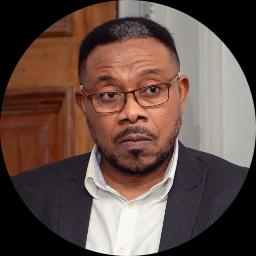
United Kingdom · 11 yrs exp
Stress, Anxiety · Relationship · Self esteem · Depression · +1 more
Read profile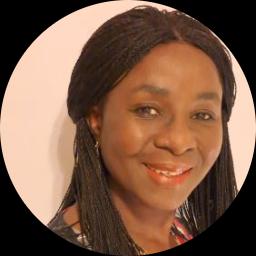
United Kingdom · 5 yrs exp
Stress, Anxiety · Anger · Self esteem · Depression · +15 more
Read profile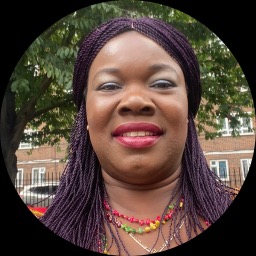
United Kingdom · 9 yrs exp
Addictions · Relationship · Family · Trauma and abuse · +16 more
Read profileWhen you speak with a counsellor in Igbo you are able to draw on the vocabulary and idioms that carry personal and cultural meaning. Words, proverbs and tones that are familiar in family and community life often contain subtle emotional nuance that can be lost when translated into another language. Therapy is not just about exchanging information - it is an interpersonal process in which the rhythm of speech, the emotional weight of certain phrases and culturally specific metaphors shape the experience. Being able to use Igbo can allow you to describe experiences with more immediacy and to feel understood at a deeper level.
Beyond vocabulary, language connects to identity. Many people who grew up speaking Igbo find that addressing sensitive topics in their mother tongue helps them access memories or express distress that feels inaccessible in a second language. If faith, family structures or traditional practices are part of your background, talking in Igbo may make those links clearer and help you explore how culture informs your wellbeing.
When therapy is conducted in a language you are less comfortable with it can change what you say and how you feel about saying it. You may simplify complex feelings, avoid figurative expressions or choose words that are technically correct but emotionally flat. This can lead to a sense of distance between you and the counsellor and to important nuances being missed. Misunderstandings are also more likely when cultural references or family roles are misread or when humour and irony do not translate easily.
Language barriers can influence clinical detail as well. You might omit events that feel too difficult to explain, or you may unconsciously change emphasis because certain terms are not available in the second language. Over time this can affect the pace and direction of counselling. Finding an Igbo-speaking counsellor reduces the extra cognitive load of translation and allows you to focus more on the emotional content of your sessions rather than on word choice.
Online counselling with an Igbo-speaking therapist often follows the same structure as face-to-face work, but there are practical differences to note. Sessions usually begin with introductions where you and the counsellor discuss what brought you to therapy and what you hope to achieve. You will talk about how you prefer to communicate - whether you want to use Igbo mainly, switch between Igbo and English, or bring in culturally specific expressions. The counsellor may ask about family background, migration history and community ties to understand the context of your concerns.
Technology will be part of the experience, so it helps to know how the video or phone system works and what to do if a connection drops. Good practice includes discussing information-sharing boundaries and data protection at the start of your work together, and establishing a plan for contact between sessions if that is needed. Sessions commonly last around 50 to 60 minutes, though that can vary. You can expect a balance of listening, reflective questions and suggestions for practical steps to try between sessions, all delivered in the language you find most expressive.
Many people from Igbo communities experience strong cultural expectations around resilience, family reputation and the handling of personal problems within the family. Seeking counselling can feel at odds with those norms and may create fears about judgement from relatives or neighbours. You might worry about being labelled or misunderstood, or about revealing difficulties that relatives would prefer remained within the family network. These concerns are understandable and often shape how and when people reach out for help.
Another frequent issue is the difficulty of finding a counsellor who understands both the language and cultural background. Counsellors who list particular approaches or cultural interests on their profiles can help bridge that gap, but you may also want to look for someone who is registered or accredited with a recognised UK professional body and who describes experience working with diverse communities. It is reasonable to expect clear information about the counsellor's approach and how they work with cultural factors, so you can assess whether their way of counselling fits your needs.
Online counselling expands the pool of Igbo-speaking counsellors beyond your local area, which is a major advantage if there are few local options. You can choose someone whose cultural background, communication style and therapeutic approach align with what you value. Online work also offers flexibility around scheduling and reduces travel time, which can make it easier to maintain regular sessions even with busy work or family commitments.
When choosing an Igbo-speaking counsellor, look at how they describe their approach and the issues they focus on. Some counsellors list particular methods, such as CBT or EMDR, and it is fine to note that they list those approaches among their offerings. Check whether they mention experience with migration, bereavement, family systems or faith-related concerns if these are relevant to you. See whether they are registered or accredited with a recognised UK professional body and whether their profile explains how they handle cultural matters in therapy.
Practical tips include clarifying how you will use language in sessions - whether you want to speak Igbo, mix languages, or use English for certain topics. Think about whether you prefer a counsellor who shares a similar cultural background or one who is an ally with experience of cross-cultural work. It is also helpful to prepare a quiet, private space for sessions and to consider how you will manage technology - a stable internet connection and a charged device make a big difference. Finally, remember that building a therapeutic relationship can take time; a good match often depends on how comfortable you feel expressing yourself in the chosen language and how well the counsellor reflects your experience back to you.
Choosing a counsellor who speaks Igbo can be an important step towards therapy that honours your language, culture and identity. By focusing on communication style, cultural understanding and the counsellor's described approaches, you can find someone who helps you explore concerns in a way that feels meaningful and relevant to your life.