BACP
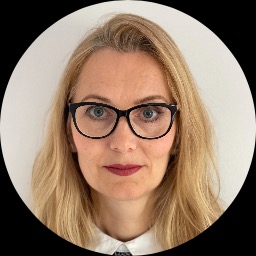
Anelia Park, BACP
Therapist in the UK
Anelia is a BACP therapist in the UK.
- 5+ years of experience
- Focus areas include Grief, Self esteem
- Approaches include Client-Centered Therapy
See availability and next steps on BetterHelp.
About Anelia
Anelia creates a calm, non-judgemental atmosphere where people can speak openly about what matters to them. Sessions focus on understanding what you want to change and on practical steps to get there. She encourages small, doable moves so progress feels manageable.
Her work pays attention to family of origin issues, control concerns and the impact of immigration or cultural transitions. Anelia also offers support for people affected by cancer and those dealing with midlife questions. She listens for the patterns that keep people stuck and helps them try new ways of responding.
The approach is client-centred, which means the person sets the pace and priorities. The counsellor follows your lead and reflects back what she hears to help you find clarity. This style is often useful when someone needs a tolerant space to sort through painful emotions.
Anelia welcomes conversations about identity and self-love, and she will help you explore what matters most. To begin, she asks a few questions to match you with a suitable session format and to plan the next steps together.
Areas of expertise
Experience
5+ years
Credentials
BACP
Languages
English
Approaches
Also listed for
See all related areas
Client-centred care and online access
Client-centred therapy focuses on listening closely and following the person’s pace. The counsellor reflects what she hears and asks gentle questions to help people name their feelings and priorities. This approach is often helpful for grief, self-esteem concerns and coping with big life changes.In practice, client-centred work looks like open conversation where the client decides what to focus on. The therapist aims to understand your experience rather than direct it, so choices about goals and timing are made together. Over a few sessions you and the counsellor can test whether this style feels right and adapt the approach as needed.
Online sessions are offered by video call, phone, live chat or text-based messaging to give flexibility. Video calls are useful when visual cues help the conversation, while phone sessions can be easier if bandwidth is limited or a shorter check-in fits your day. Live chat and messaging let people reflect in writing and fit therapy around work or family commitments. Registered or accredited professionals can work with these formats to make counselling accessible across locations.
Frequently asked questions
What concerns does Anelia commonly help with?
She helps people dealing with grief, stress, anxiety, depression, low self-esteem and coping with life changes. Additional focus areas include cancer, control issues, family of origin matters, immigration issues and questions about life purpose.
What is her therapeutic style like?
Her work is client-centred, which means she follows the client’s lead and creates a supportive listening space. Sessions emphasise reflection and helping people find their own solutions.
How much clinical experience does she have?
She has five years of professional experience working with people on emotional and life transition issues. That experience shapes how she supports someone through change and loss.
Where is she based and what credential does she hold?
She practises in the United Kingdom and is registered with the British Association for Counselling and Psychotherapy, BACP.
Can people who live outside the UK work with her?
Yes, she accepts international clients and provides sessions for people in other countries.
Which session formats are available?
Sessions can be held by video call, phone, live chat or text-based messaging to suit different needs and schedules.
How are sessions priced?
Cost varies with location and therapist availability; sessions use a subscription model that can be cancelled at any time.
What do I do to begin working with her?
Start by selecting the Start Therapy button and completing a short matching questionnaire. After that you can schedule sessions based on the therapist’s availability.