
Amanda Bouvier
BACP· Accepting clientsUnited Kingdom · 15 yrs exp
Stress, Anxiety · Family · Grief · Depression · +12 more
Read profileThe therapy listings are provided by BetterHelp and we will earn a commission if you use our link - at no cost to you.
This page lists UK counsellors who include midlife crisis among their specialities and provides details on approaches, registration and languages. Browse the profiles below to review practitioners and find those who match your needs.
United Kingdom · 15 yrs exp
Stress, Anxiety · Family · Grief · Depression · +12 more
Read profile
United Kingdom · 20 yrs exp
Relationship · Family · Trauma and abuse · Grief · +10 more
Read profile
United Kingdom · 5 yrs exp
Stress, Anxiety · Relationship · Family · Trauma and abuse · +14 more
Read profile
United Kingdom · 12 yrs exp
Stress, Anxiety · Relationship · Grief · Parenting · +7 more
Read profile
United Kingdom · 8 yrs exp
Stress, Anxiety · Relationship · Grief · Self esteem · +15 more
Read profile
United Kingdom · 5 yrs exp
Stress, Anxiety · Addictions · Relationship · Grief · +1 more
Read profile
United Kingdom · 13 yrs exp
Stress, Anxiety · LGBT · Trauma and abuse · Grief · +1 more
Read profile
United Kingdom · 9 yrs exp
Stress, Anxiety · Relationship · Family · Trauma and abuse · +12 more
Read profile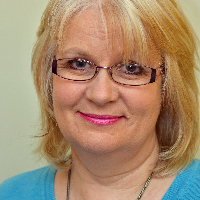
United Kingdom · 14 yrs exp
Stress, Anxiety · Relationship · Grief · Parenting · +13 more
Read profile
United Kingdom · 6 yrs exp
Relationship · Trauma and abuse · Grief · Self esteem · +15 more
Read profile
United Kingdom · 5 yrs exp
Stress, Anxiety · Relationship · Family · Self esteem · +16 more
Read profile
United Kingdom · 4 yrs exp
Stress, Anxiety · Relationship · Trauma and abuse · Self esteem · +16 more
Read profile
United Kingdom · 10 yrs exp
Stress, Anxiety · Relationship · Intimacy-related issues · Eating · +13 more
Read profile
United Kingdom · 15 yrs exp
Stress, Anxiety · Relationship · Grief · Self esteem · +13 more
Read profile
United Kingdom · 27 yrs exp
Stress, Anxiety · Relationship · Grief · Intimacy-related issues · +13 more
Read profile
United Kingdom · 12 yrs exp
Stress, Anxiety · Relationship · Grief · Self esteem · +12 more
Read profile
United Kingdom · 4 yrs exp
Stress, Anxiety · Relationship · Trauma and abuse · Grief · +12 more
Read profile
United Kingdom · 7 yrs exp
Stress, Anxiety · Grief · Career · Compassion fatigue · +16 more
Read profile
United Kingdom · 18 yrs exp
Stress, Anxiety · Relationship · Trauma and abuse · Depression · +12 more
Read profile
United Kingdom · 3 yrs exp
Stress, Anxiety · Relationship · Family · Trauma and abuse · +12 more
Read profile
United Kingdom · 3 yrs exp
Stress, Anxiety · Relationship · Anger · Self esteem · +11 more
Read profile
United Kingdom · 11 yrs exp
Relationship · Trauma and abuse · Anger · Self esteem · +11 more
Read profile
United Kingdom · 20 yrs exp
Relationship · Family · Grief · Depression · +14 more
Read profile
United Kingdom · 11 yrs exp
Stress, Anxiety · Relationship · Family · Self esteem · +14 more
Read profileMidlife transition can be a time of significant emotional turbulence. For many people it brings questions about identity, purpose and the path that led you to the present. You might notice growing dissatisfaction with work, relationships or everyday routines, or feel pressure to make major life changes that you had not planned. These experiences can be confusing and may arrive alongside practical stresses such as changing family roles, aging parents, shifting finances or health concerns.
How midlife change looks will vary widely. Some people describe it as a sudden urge to alter familiar aspects of life, while others experience a low-grade sense of unease that grows over months or years. You may be revisiting long-held choices, mourning opportunities you feel you missed, or reassessing what you want from the next phase of life. Although midlife can feel destabilising, it can also be a catalyst for reflection, growth and renewed priorities when you have support to explore your feelings and options.
If you are wondering whether counselling could help, there are several signs that you might benefit from talking to a professional. You may be struggling with persistent sadness, anxiety or anger that affects your daily functioning or relationships. Changes in sleep, appetite or energy levels that persist beyond short-term stress can be a sign that you need extra support. You might find yourself making impulsive decisions that you later regret, or withdrawing from people you care about.
Emotional patterns such as persistent rumination about the past, difficulty making decisions, or an inability to imagine the future in a way that feels hopeful are also common reasons people seek counselling at midlife. You may want a safe space to examine values, clarify goals, and work through practical steps for change. Therapy is also a place to explore grief related to ageing, loss of roles, or unmet expectations without being judged for doubts or conflicting feelings.
Your early sessions will usually focus on understanding the issues you are bringing and establishing practical goals. The counsellor will invite you to describe what feels most pressing and what you hope to achieve. You can expect a collaborative process in which you set the pace and shape of the work. Some people look for short-term practical strategies to navigate immediate decisions, while others choose a longer course of reflection and personal development.
Session length and frequency vary, but you can normally anticipate regular appointments that allow time to explore recurring patterns, relationships and life choices. Counselling often combines emotional exploration with tools for coping and decision-making. Over time you will work on understanding the beliefs and experiences that influence your responses to midlife challenges, developing new perspectives and experimenting with different ways of relating to yourself and others.
Throughout the process you remain in control of how deeply you go and which areas you focus on. Counsellors typically draw attention to how past experiences shape current behaviour and help you identify practical steps to align daily life with values you want to prioritise. The therapeutic relationship itself can provide a reliable space for testing new ways of thinking and responding.
A range of therapeutic approaches can be helpful when you are dealing with midlife issues. Person-centred counsellors emphasise empathetic listening and aim to support you in finding your own answers. Psychodynamic approaches explore how earlier life experiences influence present patterns, which can illuminate recurring themes in relationships and decision-making. Cognitive and behavioural approaches focus on practical strategies to change unhelpful thinking and behaviour and can be useful if you want tools to manage anxiety or low mood.
Existential and narrative approaches invite you to examine meaning, values and life stories, helping you to re-author how you see your past and future. Mindfulness-informed work can support emotional regulation and bring attention to present-moment experience. You will also find counsellors who list EMDR among their approaches, or who include internal family systems and other methods among those they use; mention of an approach on a profile does not necessarily indicate particular qualifications, so it is helpful to read descriptions carefully and ask about how an approach would be applied to your concerns.
When choosing an approach, consider what feels most useful to you - whether you want insight into patterns, practical steps to change, or a focus on meaning and identity. Many counsellors draw on more than one approach to tailor the work to your needs, and a good match between your style and the counsellor's way of working is often more important than a specific modality.
Online counselling has become a commonly used option for people navigating midlife change. It typically involves video or telephone sessions and, in some cases, messaging or email between appointments. You can choose the format that suits your lifestyle, whether you prefer to speak from home, during a lunch break, or from another comfortable environment. Online work allows access to counsellors across the UK and can make it easier to maintain continuity when your schedule or location changes.
Expect the same fundamental elements of therapeutic work to be present online as in face-to-face counselling - a focus on your concerns, goal-setting, and regular review of progress. Technical considerations such as internet stability and a quiet, interruption-free space for sessions will influence how well online sessions work for you. If you are uneasy about remote work, you might discuss a plan with your counsellor to ensure sessions feel focused and supportive. Some people find the distance of online sessions helpful for creating emotional space, while others prefer in-person contact; both formats can be effective depending on your preferences.
Selecting a counsellor is a personal decision and there are several practical factors you can consider. Look at whether a counsellor is registered with recognised UK bodies such as BACP, HCPC or NCPS as an indication of professional accountability and adherence to ethical standards. Read profile descriptions to see which approaches they list and whether they mention experience working with life transitions, relationship shifts or ageing concerns. Language, cultural understanding and therapeutic style also matter, so note details about any specialist experience or ways of working that resonate with your needs.
Think about logistics that affect your comfort - session format, fees and whether the counsellor offers short-term or longer-term work. Many people find it helpful to arrange an initial conversation to get a sense of rapport and to ask about how the counsellor would approach midlife issues without needing to disclose more than you are ready to share. Trust your sense of fit; feeling able to speak openly and be heard is central to making counselling helpful. If a counsellor's profile mentions registration with BACP, HCPC or NCPS, you can also consult those registries for further information about professional standards.
Ultimately, counselling for midlife crisis is about giving yourself time and support to reflect, make choices and build a life that aligns better with who you are now. Whether you are seeking short-term guidance for a specific decision or a deeper process of exploration, finding someone whose approach and experience match your needs can make the journey more manageable and purposeful.