BACP
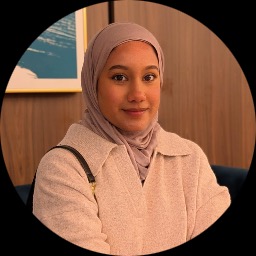
Atifa Begum, BACP
Therapist in the UK
Atifa is a BACP therapist in the UK.
- 3+ years of experience
- Focus areas include Stress, Anxiety, Family conflicts
See availability and next steps on BetterHelp.
About Atifa
She helps people who are coping with stress, anxiety, low mood and issues around self-esteem. She also supports those facing grief, body image concerns, social anxiety and feelings of isolation. Communication problems, attachment issues and questions about life purpose are other common themes she addresses.
Atifa adapts each session to the person in front of her, drawing on person-centred and solution-focused ideas alongside other techniques. Sessions are guided by empathy, active listening and respect for each person’s background and identity. This means conversations move at the client’s pace and focus on what matters most to them.
Practical steps and simple tools are used to help manage overwhelming thoughts and day-to-day strain. She aims to make changes feel achievable rather than overwhelming. Sessions can include talking through immediate problems and developing small experiments to try between meetings.
People who value a calm, collaborative style often find this approach helpful. Atifa welcomes conversations about cultural identity and how it connects to wellbeing. She works online using video calls, phone, live chat and text messaging to offer flexible support.
Areas of expertise
Experience
3+ years
Credentials
BACP
Languages
English
Focus areas
Also listed for
See all related areas
Therapeutic approaches and online sessions
Atifa draws primarily on person-centred and solution-focused ways of working. Person-centred counsellors focus on listening carefully and reflecting what matters to the client, helping people feel understood and find their own answers. Solution-focused techniques concentrate on practical, small steps and goals that can change a problem over time.She also uses an integrative stance, which means combining useful elements from different approaches to match the person’s needs. That might mean practising a breathing or grounding exercise in one session, then working on communication skills or goal-setting in the next. Together the therapist and client decide which methods suit the client’s goals and preferences.
Online therapy options include video calls, phone sessions, live chat and text-based messaging. Video calls are closest to in-person meetings and suit longer conversations. Phone sessions need less bandwidth and can be easier to fit into a busy day. Live chat and text messaging work well for short check-ins, written reflection and ongoing support between sessions. These formats make it easier to access therapy around work, family commitments and everyday life.
Frequently asked questions
What issues does she commonly help with?
She supports people experiencing stress, anxiety, depression and low self-esteem, and also works with grief, body image and social anxiety.
How would you describe her therapeutic style?
Her style is person-centred and solution-focused, with an integrative element that adapts to each person’s needs and preferences.
What experience does she bring to sessions?
She has three years of counselling experience working in a range of settings with adults and other client groups.
Where is she based and what are her credentials?
She practises in the United Kingdom and is registered with the British Association for Counselling and Psychotherapy, listed as BACP.
Which languages are supported for sessions?
Sessions are offered in English.
What session formats does she offer?
She offers video calls, phone sessions, live chat and text-based messaging to suit different needs and schedules.
How are sessions paid for and what does therapy cost?
Sessions use a subscription that can be cancelled at any time; costs vary depending on location and therapist availability.
How do I begin if I want to speak with her?
Use the Start Therapy button, complete a short matching questionnaire, and then schedule sessions according to the therapist’s availability.