
Amanda Bouvier
BACP· Accepting clientsUnited Kingdom · 15 yrs exp
Stress, Anxiety · Family · Grief · Depression · +12 more
Read profileThe therapy listings are provided by BetterHelp and we will earn a commission if you use our link - at no cost to you.
Explore counsellors and psychotherapists who specialise in social anxiety and phobia. Browse the listings below to compare approaches, registration and languages to find someone who may suit your needs.
United Kingdom · 15 yrs exp
Stress, Anxiety · Family · Grief · Depression · +12 more
Read profile
United Kingdom · 5 yrs exp
Stress, Anxiety · Addictions · Trauma and abuse · Eating · +10 more
Read profile
United Kingdom · 8 yrs exp
Stress, Anxiety · Trauma and abuse · Grief · Self esteem · +6 more
Read profile
United Kingdom · 5 yrs exp
Stress, Anxiety · Relationship · Family · Trauma and abuse · +14 more
Read profile
United Kingdom · 12 yrs exp
Stress, Anxiety · Relationship · Grief · Parenting · +7 more
Read profile
United Kingdom · 8 yrs exp
Stress, Anxiety · Relationship · Grief · Self esteem · +15 more
Read profile
United Kingdom · 5 yrs exp
Stress, Anxiety · Addictions · Relationship · Grief · +1 more
Read profile
United Kingdom · 5 yrs exp
Stress, Anxiety · Relationship · Grief · Depression · +9 more
Read profile
United Kingdom · 10 yrs exp
Stress, Anxiety · Relationship · Family · Trauma and abuse · +16 more
Read profile
United Kingdom · 13 yrs exp
Stress, Anxiety · LGBT · Trauma and abuse · Grief · +1 more
Read profile
United Kingdom · 5 yrs exp
Addictions · Family · Trauma and abuse · Self esteem · +1 more
Read profile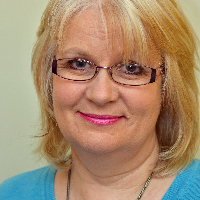
United Kingdom · 14 yrs exp
Stress, Anxiety · Relationship · Grief · Parenting · +13 more
Read profile
United Kingdom · 6 yrs exp
Relationship · Trauma and abuse · Grief · Self esteem · +15 more
Read profile
United Kingdom · 20 yrs exp
Stress, Anxiety · Relationship · Family · Trauma and abuse · +9 more
Read profile
United Kingdom · 5 yrs exp
Stress, Anxiety · Relationship · Family · Self esteem · +16 more
Read profile
United Kingdom · 4 yrs exp
Stress, Anxiety · Relationship · Trauma and abuse · Self esteem · +16 more
Read profile
United Kingdom · 10 yrs exp
Stress, Anxiety · Relationship · Intimacy-related issues · Eating · +13 more
Read profile
United Kingdom · 15 yrs exp
Stress, Anxiety · Relationship · Grief · Self esteem · +13 more
Read profile
United Kingdom · 27 yrs exp
Stress, Anxiety · Relationship · Grief · Intimacy-related issues · +13 more
Read profile
United Kingdom · 5 yrs exp
Stress, Anxiety · Grief · Self esteem · Depression · +11 more
Read profile
United Kingdom · 12 yrs exp
Stress, Anxiety · Relationship · Grief · Self esteem · +12 more
Read profile
United Kingdom · 6 yrs exp
Stress, Anxiety · Relationship · Trauma and abuse · Grief · +7 more
Read profile
United Kingdom · 7 yrs exp
Stress, Anxiety · Grief · Career · Compassion fatigue · +16 more
Read profile
United Kingdom · 20 yrs exp
Stress, Anxiety · Relationship · Family · Trauma and abuse · +13 more
Read profileSocial anxiety, sometimes described as social phobia, is more than feeling shy or nervous before an event. It can mean intense fear of being judged, criticised or observed in everyday interactions. You may notice a cycle where worry about social situations leads to avoidance, which in turn reduces opportunities to feel comfortable in groups or when meeting new people. For some people this fear is focussed on specific situations such as public speaking, meeting new people or eating in public. For others it is more generalised and affects many kinds of interactions. Physical responses such as a rapid heartbeat, sweating, trembling or a feeling of being unable to speak often accompany the worry and can reinforce the sense of threat.
The impact of social anxiety can extend to work, education, relationships and social life. It can make it hard to attend social events, speak up at meetings, or form new friendships. You might find yourself rehearsing conversations in your head, checking how you appear to others, or avoiding activities that could be enjoyable. Understanding that these responses are common and that many people seek help for them is an important first step toward change.
If your anxiety is frequent, persistent and gets in the way of daily activities you may benefit from talking with a counsellor. Look for signs such as ongoing avoidance of social occasions, distress that lasts beyond a single event, or worry that causes you to self-isolate. You might find that your behaviour has changed to reduce social contact, that your confidence at work or school has fallen, or that relationships feel strained because you are reluctant to be open about how you feel. Panic attacks or severe physical symptoms in social situations are another clear indicator that support could be helpful.
You do not need to wait until problems are severe to seek a counsellor. Many people choose to explore therapy to gain tools for managing anxiety, to practise social interactions with support, or to examine underlying patterns of thinking and behaviour. Speaking with a professional can give you a clearer idea of whether short-term strategies, a longer therapeutic process, or a different form of help would suit your circumstances. When considering a therapist, focus on their stated experience with social anxiety, their preferred approaches and how they describe the goals they work toward with clients.
Your first sessions will usually involve an assessment where you and the counsellor discuss your history, current difficulties and what you hope to achieve. You can expect a collaborative approach where goals are set together and a plan is agreed. Sessions often include a mix of listening, reflection and practical exercises. You may work on identifying patterns of thinking that intensify anxiety, learning breathing or grounding techniques to reduce immediate distress, and developing small steps to test anxious predictions in real situations.
Therapy commonly includes behavioural experiments and role-play. These exercises give you a chance to practise social skills and to test out what actually happens when you behave differently. Homework or tasks between sessions is frequent because gradual exposure to feared situations is often most effective when applied in everyday life. Progress can be gradual and you should expect the pace to reflect your readiness. A thoughtful counsellor will balance support and challenge so that you can build confidence without being overwhelmed.
When you read therapist profiles you will encounter a range of approaches that are commonly used with social anxiety. Cognitive-behavioural approaches are often mentioned; you may find counsellors who list CBT among their approaches and who focus on changing unhelpful thinking and behaviour patterns. Acceptance and commitment approaches appear on many profiles, describing work that helps you live according to your values while learning to relate differently to anxious thoughts. There are counsellors who describe psychodynamic or relational work that explores how past experiences shape current behaviour, alongside those who incorporate mindfulness-based practices to reduce bodily reactivity and improve present-moment awareness.
Group-based programmes also feature as an option for social anxiety because they provide practical opportunities to practise social skills in a therapeutic setting. When looking through listings, notice whether a counsellor mentions group work, preparatory support for exposure exercises, or a willingness to collaborate with other health professionals. You might also see references to combining talking therapy with practical skills training for public speaking, assertiveness or social problem-solving. Remember that a listing of an approach does not in itself represent a qualification; use practitioner profiles to learn how they describe the work they offer.
Online therapy is a common choice for people seeking support for social anxiety. Sessions typically take place by video call, phone or messaging, allowing you to attend from a familiar setting. Many people find online work useful because it reduces travel time and allows for continuity if you move or live outside major urban centres. For social anxiety specifically, online sessions can be used to practise conversation skills, undertake exposure work tailored to internet-based scenarios and prepare for in-person interactions with role-play and feedback. If you are concerned about technology, you might arrange a brief test call to check audio and video before the first full session.
When selecting a therapist for social anxiety focus on factors that matter most to you. Look at whether they state a particular interest in social anxiety or related areas such as performance anxiety or social skills. Compare approaches to see which descriptions feel like a good fit for your preferences - for example, whether you favour more structured, skills-based work or a reflective, exploratory style. Check a counsellor's registration information; many in the UK indicate membership or registration with professional bodies such as BACP, HCPC or NCPS. This helps you understand the regulatory framework they practise within.
Also consider practical details that affect your experience. Language skills may be important if you prefer therapy in a language other than English. Read how a counsellor describes their experience and the types of clients they have worked with, noting any mention of work with social anxiety or social phobia. Think about the format you prefer - one-to-one or group, online or in-person - and whether the counsellor explains how they structure sessions or support clients between meetings. Finally, trust your instincts when reading profiles and initial communications; feeling understood and respected in early exchanges is an important sign of a constructive therapeutic relationship.
Choosing the right counsellor is a personal process. Use profiles to learn about approaches, registration, languages and clinical focus, and consider initial conversations as an opportunity to see how a counsellor communicates and whether their way of working aligns with your goals. With thoughtful comparison and a clear sense of what you hope to achieve, you can find a practitioner who supports you in taking steady steps toward managing social anxiety and building more confident participation in social life.