BACP
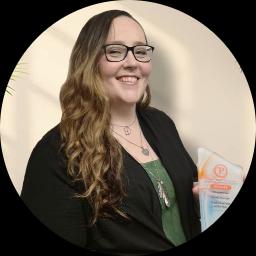
Elizabeth Lee, BACP
Therapist in the UK
Elizabeth is a BACP therapist in the UK.
- 6+ years of experience
- Focus areas include Stress, Anxiety, Relationship issues
- Approaches include Client-Centered Therapy
See availability and next steps on BetterHelp.
About Elizabeth
She offers a calm, human-centred way of working that aims to put the person at the heart of the process. Sessions focus on listening, understanding and helping the client find their own answers. The style is warm and direct, with an emphasis on building self-respect and clearer direction.
Elizabeth is registered with the British Association for Counselling and Psychotherapy, commonly known as BACP. She brings six years of professional experience alongside continued personal and professional learning. That background informs practical ways to cope with panic, manage low mood and rebuild after loss.
In sessions she pays close attention to attachment, communication and patterns that can cause repeated conflict. People often talk about guilt, shame or struggles with self-worth, and work can include strengthening self-love and sense of purpose. Elizabeth also supports people processing sexual assault, domestic violence and other forms of trauma.
Therapy is paced to the individual. Elizabeth aims to help people get clearer about what they want, and to take steps towards that. Practical coping tools are offered alongside time to reflect and heal.
Areas of expertise
Experience
6+ years
Credentials
BACP
Languages
English
Focus areas
See all focus areas
Approaches
Client-centred approaches and online therapy
Client-Centred Therapy focuses on creating an accepting space where the person leads the pace and topics. The counsellor offers active listening and reflection so people can better understand their feelings and choices; this approach helps with low self-esteem, relationship questions and emotional recovery after trauma.Elizabeth will work collaboratively to find the right way forward. She will discuss how the Client-Centred approach might fit your needs and adapt sessions based on your goals and preferences. Deciding on an approach is a shared process and can change as work progresses.
Online sessions are offered as video calls, phone sessions, live chat or text-based messaging, which gives flexibility for different needs. Video calls let you see non-verbal cues and feel more like face-to-face meetings. Phone sessions use less bandwidth and can fit into a work break or a busy day. Live chat or text messaging allow shorter check-ins or ongoing written support without needing to be on camera. Many people find this range of formats makes it easier to keep therapy going alongside everyday life.
Frequently asked questions
What kinds of problems does she help with?
She supports people with stress, anxiety, depression, grief and relationship or intimacy-related concerns. Other areas include trauma and abuse, parenting pressures and coping with major life changes.
How would you describe her therapeutic style?
She works in a human-centred, client-led way that focuses on listening and understanding. Sessions aim to help people find their own solutions while building self-worth.
What is her professional background?
She has six years of professional experience in counselling and ongoing personal and professional development. Her work has included supporting people through trauma, relationship problems and bereavement.
Where is she based and what credential does she hold?
She practises in the United Kingdom and is registered with the British Association for Counselling and Psychotherapy, abbreviated as BACP.
Which languages are sessions offered in?
Sessions are offered in English and she is available to work with international clients.
What session formats are available?
Sessions can be held via video calls, phone sessions, live chat or text-based messaging depending on what suits the individual.
How is cost handled for therapy?
Cost varies with location and therapist availability; sessions run on a subscription model that can be cancelled at any time.
How do I begin working with her?
Start by selecting the Start Therapy button and completing a short matching questionnaire. You can then schedule sessions according to therapist availability.