NCPS
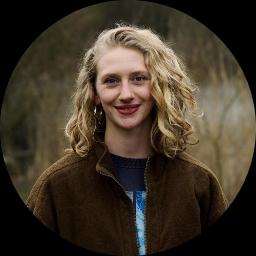
Isla Donaldson, NCPS
Therapist in the UK
Isla is a NCPS therapist in the UK.
- 5+ years of experience
- Focus areas include Stress, Anxiety, Relationship issues
- Approaches include Client-Centered Therapy, Existential Therapy
See availability and next steps on BetterHelp.
About Isla
She creates a calm, collaborative space and listens for what feels most urgent. Isla moves alongside clients with both support and gentle challenge. She pays attention to feelings, bodily sensations and life events to build understanding and practical ways forward.
Her work draws on client-centred principles that trust each person's capacity to grow. That means the person’s own needs and timing guide the direction of sessions. Isla also uses somatic methods to notice how emotions show up in the body and to help with regulating strong states.
Isla has five years of clinical experience in settings that included people living with trauma, self-harm and suicidal thoughts, as well as those facing grief, low mood and anxiety. She has helped people with attachment and abandonment issues, communication problems, body image, guilt and shame, loneliness, life purpose and end-of-life concerns.
Her credential is NCPS, which she holds alongside ongoing professional training. Isla works in the United Kingdom and offers therapy in English. To begin, people complete a short matching questionnaire then arrange sessions that suit them.
Areas of expertise
Experience
5+ years
Credentials
NCPS
Languages
English
Focus areas
Also listed for
How Isla’s methods translate to online therapy
Client-Centred Therapy places the person's experience at the heart of sessions. The therapist listens with curiosity and follows what matters most to the client, helping them name feelings and decide the pace of work. This approach suits people who want a respectful, non-directive space to make sense of their life.Somatic Therapy focuses on bodily sensations as a route to understanding emotion. It uses simple attention to breath, posture and internal sensations to help notice how stress or trauma shows up in the body and to develop practical ways to self-soothe and regulate strong states. This can be useful for people struggling with anxiety, trauma responses or overwhelming emotion.
Finding the right approach is part of the work and will be decided together. The therapist will discuss goals, preferences and what feels most helpful, then adapt methods as the relationship develops. That collaborative process makes it easier to try different ways of working until a good fit is found.
Online formats such as video calls, phone sessions, live chat and text-based messaging offer flexibility. Video calls allow face-to-face connection and visual cues, phone sessions need less bandwidth and can be easier for short check-ins, while chat or messaging suits ongoing support between calls. These options help people fit therapy around work, family and daily life.
Frequently asked questions
What issues does Isla help with?
She supports people with stress, anxiety, relationship difficulties, trauma and abuse, low self-esteem and depression, plus related concerns such as attachment, self-harm, grief and body image.
How would you describe her approach in sessions?
Sessions are collaborative and person-centred, with attention to feelings and bodily experience. Isla offers both supportive listening and gentle challenge to help people move forward.
What experience does she bring?
She has five years of experience working with adults and young people on trauma, self-harm, anxiety, depression, relationship issues and grief.
What credentials and location are listed?
Her listed credential is NCPS and she practises in the United Kingdom.
Which languages are supported and can she see international clients?
Sessions are offered in English. She is not currently accepting international clients.
What session formats are available?
Therapy is offered via video calls, phone sessions, live chat or text-based messaging to suit different needs and situations.
How is cost handled for sessions?
Cost varies with location and therapist availability; sessions use a subscription that can be cancelled at any time.
What are the first steps to begin therapy?
Click the Start Therapy button, complete a short matching questionnaire, then schedule sessions according to therapist availability.