BACP
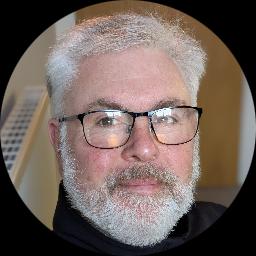
Mark Walker, BACP
Therapist in the UK
Mark is a BACP therapist in the UK.
- 5+ years of experience
- Focus areas include Relationship issues, Family conflicts
- Approaches include Client-Centered Therapy
See availability and next steps on BetterHelp.
About Mark
Mark uses a straightforward, person-centred way of working. Client-Centred Therapy means he follows the client's lead, reflects what is said and helps people find their own answers. This approach suits issues like stress, anxiety, low mood, relationship concerns and questions about life direction.
He trained as a counsellor after a long career in teaching and brings five years of counselling experience to his work. That background shapes a practical, conversational style that values everyday language over clinical terms. He aims to create a warm atmosphere where difficult topics can be spoken about plainly.
Mark is based in the United Kingdom and holds BACP, the British Association for Counselling and Psychotherapy credential. He sees clients remotely using video, phone, live chat or text-based messaging, including people outside the UK. Sessions are arranged around what suits the client.
People often come to him for help with relationships, family matters, self-esteem, depression, coping with life changes, anxiety, trauma and addiction-related concerns. Additional focus areas include communication problems, guilt and shame, loneliness, and questions about purpose and self-love. He works at the client’s pace and supports practical steps toward change.
Areas of expertise
Experience
5+ years
Credentials
BACP
Languages
English
Focus areas
See all focus areas
Approaches
Also listed for
See all related areas
Client-centred care online
Client-Centred Therapy focuses on following the client's lead and offering empathic listening. The counsellor reflects what is said, helps people name their feelings and supports them to find their own answers. This approach is useful for anxiety, low mood, relationship worries and questions about life direction.Finding the right approach is part of the work. Mark will collaborate with each person to decide what feels most helpful based on their needs, goals and preferences. That means adjusting pace, topics and techniques together as therapy progresses.
Online sessions can be more flexible than in-person meetings. Video calls allow face-to-face conversation when visual cues matter. Phone sessions use less bandwidth and can fit into a shorter break. Live chat or text-based messaging suits quick check-ins or people who prefer writing. These options make it easier to fit therapy around work, family and travel commitments while keeping the focus on steady progress.
Frequently asked questions
What concerns does Mark help with?
He supports people with relationship and family concerns, self-esteem, depression, stress and anxiety, and issues such as addiction, trauma, grief and intimacy-related worries.
What is Mark's therapeutic style?
He practices Client-Centred Therapy, which means he follows the client's pace, listens closely and helps people find their own solutions through reflective discussion.
How much experience does he have?
Mark has five years of counselling experience and a previous career in teaching that informs a practical, conversational approach.
What are his credentials and where is he based?
He holds BACP, the British Association for Counselling and Psychotherapy credential, and is based in the United Kingdom.
Which languages are available for sessions?
Sessions are offered in English and he is able to work with international clients.
How are sessions delivered?
Sessions are offered by video calls, phone sessions, live chat or text-based messaging to suit different needs and schedules.
How much do sessions cost?
Cost varies with location and therapist availability; sessions use a subscription that can be cancelled at any time.
How do I begin working with him?
Start by selecting the Start Therapy button, complete a short matching questionnaire, and schedule sessions according to the therapist's availability.