BACP
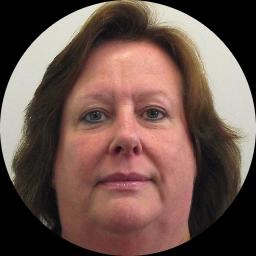
Susan Clarke, BACP
Therapist in the UK
Susan is a BACP therapist in the UK.
- 3+ years of experience
- Focus areas include Stress, Anxiety, Anger management
See availability and next steps on BetterHelp.
About Susan
Susan focuses on everyday struggles such as anger, low self-esteem and motivation. She also helps people dealing with relationship and family pressures, workplace stress, and concerns linked to identity and LGBT issues. Additional areas of attention include attachment and abandonment worries, caregiver strain, and feelings of isolation.
Sessions are built around a straightforward and non-judgemental conversation. She listens for what matters most, helps name patterns that are getting in the way, and works with clients to try new ways of coping. The aim is to build small habits that add up to clearer thinking and steadier moods.
Susan also supports people who want to improve communication, set better boundaries, or recover a sense of self-worth after difficult relationships. She pays attention to how past experiences shape current reactions and helps people find more helpful responses.
The first meetings focus on what a person hopes to change and simple practical steps to begin. From there, Susan tailors the pace and focus to each person's needs so therapy stays relevant and usable in daily life.
Areas of expertise
Experience
3+ years
Credentials
BACP
Languages
English
Focus areas
Therapeutic approaches and online sessions
Two evidence-based approaches Susan commonly uses are short-term problem-solving work and helpers that focus on understanding attachment patterns. Problem-solving work looks at a current difficulty, breaks it into manageable parts, and tests small changes to see what helps. Work on attachment explores how early relationships influence reactions now and aims to shift unhelpful relationship patterns over time.Finding the right approach is a collaborative process. Susan will talk through options and try methods that match a person's needs, goals and preferences. She will adjust the plan as things change and as new priorities emerge, so therapy stays practical and relevant.
Online formats include video calls, phone sessions, live chat and text-based messaging, giving flexible ways to keep therapy going. Video sessions let people use eye contact and non-verbal cues, while phone calls can be shorter check-ins or suit lower bandwidth. Live chat and messaging are useful for quick reflections, regular check-ins or for people who prefer typing. These options help fit therapy around work, caring responsibilities and daily life.
Frequently asked questions
What kinds of concerns does Susan help with?
Susan works with issues such as stress, anxiety, anger, low self-esteem and depression. She also focuses on relationship and family pressures, workplace issues, LGBT concerns, and feelings of isolation or abandonment.
What is her therapeutic style like?
Her style is calm and practical, with straightforward conversations and simple steps to try between sessions. She aims to help people spot unhelpful patterns and develop more useful day-to-day coping skills.
How much clinical experience does she have?
Susan has three years of professional counselling experience working in the United Kingdom.
What are her credentials and where is she based?
She is listed with the British Association for Counselling and Psychotherapy, described as BACP, and practises in the United Kingdom.
Which languages are sessions offered in?
Sessions are offered in English for both UK-based and international clients.
What formats are available for sessions?
Sessions can take place via video calls, phone sessions, live chat, or text-based messaging depending on client preference.
How are sessions paid for and what do they cost?
Cost varies with location and therapist availability; sessions are delivered through a subscription model that can be cancelled at any time.
How do I begin working with Susan?
Start by selecting the Start Therapy button and completing a short matching questionnaire, then schedule sessions according to therapist availability.