
Amanda Bouvier
BACP· Accepting clientsUnited Kingdom · 15 yrs exp
Stress, Anxiety · Family · Grief · Depression · +12 more
Read profileThe therapy listings are provided by BetterHelp and we will earn a commission if you use our link - at no cost to you.
On this page you will find female therapists and counsellors practising in the UK who list their approaches, areas of focus and professional registration. Use the listings below to explore profiles, compare therapeutic styles and languages offered. Browse the results to find practitioners who feel like the right match for your needs.
United Kingdom · 15 yrs exp
Stress, Anxiety · Family · Grief · Depression · +12 more
Read profile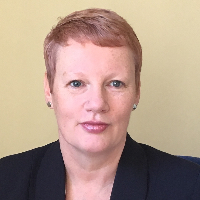
United Kingdom · 20 yrs exp
Relationship · Family · Trauma and abuse · Grief · +10 more
Read profile
United Kingdom · 8 yrs exp
Stress, Anxiety · Trauma and abuse · Grief · Self esteem · +6 more
Read profile
United Kingdom · 5 yrs exp
Stress, Anxiety · Relationship · Family · Trauma and abuse · +14 more
Read profile
United Kingdom · 12 yrs exp
Stress, Anxiety · Relationship · Grief · Parenting · +7 more
Read profile
United Kingdom · 8 yrs exp
Stress, Anxiety · Relationship · Grief · Self esteem · +15 more
Read profile
United Kingdom · 8 yrs exp
Stress, Anxiety · Grief · Depression · Compassion fatigue · +10 more
Read profile
United Kingdom · 5 yrs exp
Stress, Anxiety · Addictions · Relationship · Grief · +1 more
Read profile
United Kingdom · 5 yrs exp
Stress, Anxiety · Relationship · Grief · Depression · +9 more
Read profile
United Kingdom · 15 yrs exp
Stress, Anxiety · Trauma and abuse · Grief · Depression · +14 more
Read profile
United Kingdom · 10 yrs exp
Stress, Anxiety · Relationship · Family · Trauma and abuse · +16 more
Read profile
United Kingdom · 13 yrs exp
Stress, Anxiety · LGBT · Trauma and abuse · Grief · +1 more
Read profile
United Kingdom · 9 yrs exp
Stress, Anxiety · Relationship · Family · Trauma and abuse · +12 more
Read profile
United Kingdom · 3 yrs exp
Stress, Anxiety · Addictions · Family · Trauma and abuse · +9 more
Read profile
United Kingdom · 5 yrs exp
Addictions · Family · Trauma and abuse · Self esteem · +1 more
Read profile
United Kingdom · 14 yrs exp
Stress, Anxiety · Relationship · Grief · Parenting · +13 more
Read profile
United Kingdom · 6 yrs exp
Relationship · Trauma and abuse · Grief · Self esteem · +15 more
Read profile
United Kingdom · 20 yrs exp
Stress, Anxiety · Relationship · Family · Trauma and abuse · +9 more
Read profile
United Kingdom · 5 yrs exp
Stress, Anxiety · Relationship · Family · Self esteem · +16 more
Read profile
United Kingdom · 4 yrs exp
Stress, Anxiety · Relationship · Trauma and abuse · Self esteem · +16 more
Read profile
United Kingdom · 10 yrs exp
Stress, Anxiety · Relationship · Intimacy-related issues · Eating · +13 more
Read profile
United Kingdom · 15 yrs exp
Stress, Anxiety · Relationship · Grief · Self esteem · +13 more
Read profile
United Kingdom · 27 yrs exp
Stress, Anxiety · Relationship · Grief · Intimacy-related issues · +13 more
Read profile
United Kingdom · 5 yrs exp
Stress, Anxiety · Grief · Self esteem · Depression · +11 more
Read profileChoosing to work with a female therapist is a personal preference that can shape the way you experience counselling. For some people, a female practitioner feels easier to talk to about gender-related concerns, reproductive health, childbirth and parenting, or experiences of gender-based harm. For others, cultural or faith factors, past relational experiences or simply a gut sense make a female therapist a better fit. The choice is not about one gender being clinically superior to another; it is about your comfort, rapport and the therapeutic relationship that grows between you and the practitioner.
When you seek a female therapist you are looking to create a trusting dialogue in a safe setting where you can explore thoughts and feelings. That environment supports reflection and change rather than promising specific outcomes. Many people find that shared gender identity can help with topics that feel sensitive or stigmatised, while others focus more on a therapist's experience, therapeutic approach and registration. Overall, choosing a female therapist is one of several ways you can shape how therapy feels and how you engage with the process.
You might consider searching for a female therapist if you notice persistent emotional or practical difficulties that affect your daily life and you want a professional space to explore them. This can include ongoing low mood, anxiety that limits how you live or sleep, repeated patterns in relationships that leave you feeling hurt or confused, or stress linked to role changes such as becoming a parent, separating from a partner or returning to work. If particular life events - for example miscarriage, fertility treatment, perinatal changes or experiences related to gender-based harm - feel hard to talk about, you may find it helpful to speak with a female practitioner who lists relevant focus areas.
Sometimes the sign that therapy could help is subtler: a sense of being stuck, decreasing enjoyment in activities you used to like, or finding it difficult to set boundaries in relationships. You do not need to meet any particular diagnostic threshold to benefit from counselling. If you want a thoughtful, personal conversation about how to manage emotions, make decisions or change patterns of behaviour, therapy can provide a structured place to do that. Choosing a female therapist may feel especially important if you think gender dynamics are part of what you want to address.
Therapy typically begins with an initial assessment conversation during which you and the therapist discuss what brings you to counselling, your history, and what you hope to achieve. With a female therapist this process will follow the same general structure as with any practitioner - exploring your goals, clarifying boundaries and agreeing how you will work together - but the content you choose to focus on may naturally reflect the areas that prompted you to seek a female practitioner.
In ongoing sessions you can expect a mix of listening, reflection and practical exploration tailored to your needs. A therapist will invite you to describe thoughts and feelings, notice patterns in relationships and behaviour, and try out different ways of approaching difficulties in daily life. Progress often emerges gradually as you practise new responses and gain perspective on recurring themes. The therapeutic relationship itself - the experience of being heard and understood - is a key part of change. You should feel able to share concerns about the process or ask for different ways of working if something does not fit.
Therapists who identify as female work across many theoretical approaches, and on professional listings you will commonly see a range of methods mentioned. Some practitioners list person-centred counselling, which emphasises empathic listening and your own capacity to find solutions. Others reference psychodynamic ideas that explore how past relationships and early experiences shape present patterns. Cognitive and behavioural methods, which focus on noticing unhelpful thought patterns and experimenting with alternative behaviours, are also widely listed by counsellors and therapists.
There are approaches that concentrate on body-based or relational elements of experience, which may be relevant if you want to explore issues connected to reproductive health, trauma or somatic responses to stress. When reviewing profiles, note that descriptions reflect what a practitioner lists rather than formal endorsements of training. Many people find it helpful to choose a therapist who explicitly names work with perinatal matters, relationship difficulties, sexual health, or gender-related concerns when those areas are central to their needs. You may also encounter language-based or culturally specific offerings, and some therapists list additional languages they speak to support people from diverse backgrounds.
Online therapy makes it possible to meet a female therapist by video call, phone or messaging, which can widen your options beyond local services. You can expect appointments to be scheduled at mutually agreed times and to follow a similar rhythm to face-to-face work, with time to check in, explore key issues and plan steps between sessions. Many people appreciate the convenience of engaging from home or from work during a lunch break, while others find the screen creates a different kind of intimacy that suits them well.
When arranging online sessions, consider your own needs for a quiet, undisturbed space and reliable internet or phone access. Aim to be in a private space where you feel able to speak openly and not be overheard. Some therapists who offer online work also combine remote and in-person sessions for clients who live nearby, while others work exclusively online. In either case, you can look for information in profiles about whether someone offers remote consultation and what platforms they use. Remember that different modes of contact - video, phone or text-based messaging - produce distinct experiences, and you may prefer one format over another for particular topics.
Before your first remote appointment you might want to check technical settings, make sure your device camera and microphone function, and arrange a comfortable seating position. It can help to have a notebook to record reflections between sessions. If you find emotional topics hard to manage immediately after a call, plan a short grounding activity or a safe contact to check in with afterwards. Good practice is for a therapist to share information about how they work, including their professional registration and typical session length, so you can make an informed choice from the listings.
Choosing a therapist is a personal process and there is no single formula that fits everyone. Start by clarifying what you hope to work on and which practical features matter to you - for example whether you prefer in-person or remote sessions, which languages you need, and whether you want someone who mentions specific focus areas such as perinatal mental health, relationship issues or trauma-informed work. Professional registration details such as BACP or HCPC on a profile help you confirm a practitioner's formal standing in the UK system. Registrations and accreditations are signposts to how practitioners describe their professional identity.
Read therapist profiles to get a sense of their approach and how they talk about the areas you want to address. Look for language that feels respectful and clear, and consider contacting a few practitioners to ask short questions about how they work. When you make that contact, briefly describe what you want to discuss and ask about the therapeutic framework they usually use. It is reasonable to enquire about session length, what a typical plan might involve and how they support clients between sessions. Over time you will get a sense of whether the therapist's style and description resonate with you.
Finally, trust your experience in the first few sessions. The therapeutic relationship is central and the way you feel heard, understood and challenged gently is often more important than labels on a profile. If you do not feel comfortable, it is appropriate to look for a different match. Taking the step to find a female therapist is about finding the conditions that help you think, feel and make changes in a way that suits your life and values.