NCPS
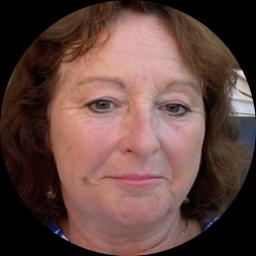
Christina Griffin, NCPS
Therapist in the UK
Christina is a NCPS therapist in the UK.
- 3+ years of experience
- Focus areas include Stress, Anxiety, Relationship issues
- Approaches include Client-Centered Therapy, Cognitive Behavioral Therapy (CBT)
See availability and next steps on BetterHelp.
About Christina
She creates a calm, non-judgemental space where people can talk about difficult feelings. Sessions are conversational and paced to match each person's needs. Christina listens for patterns that keep problems cycling and helps clients try different ways of responding.
Her approach draws on several methods, including client-centred work to follow what matters most to the client and cognitive behavioural techniques to address unhelpful thinking and behaviour. Mindfulness and psychodynamic ideas are used as needed to help people understand feelings and reactions that come from past experience.
Christina often helps people who are coping with grief and loss, relationship strain, abandonment and attachment concerns, and issues around body image and eating. She also supports those dealing with chronic illness, caregiver stress, codependency, and the practical fallout from separation or divorce.
Sessions can include practical strategies for managing worry and grounded exercises to steady difficult moments. Christina invites clients to set realistic goals and reviews progress together so therapy stays focused on what the person wants to change.
Areas of expertise
Experience
3+ years
Credentials
NCPS
Languages
English
Focus areas
Approaches
Also listed for
See all related areas
Therapeutic approaches for online support
Christina uses client-centred work to make sessions focused on what the person cares about most. This approach means the counsellor follows the client's lead, reflects what they say, and helps them feel heard. Cognitive behavioural therapy, or CBT, is also part of her practice and focuses on spotting unhelpful thoughts and trying small behaviour changes to reduce anxiety and low mood.Finding the right approach is part of the work together. Christina will discuss options with each client and adapt methods to their goals and preferences. The aim is a collaborative plan that feels clear and manageable rather than one-size-fits-all.
Online therapy offers practical flexibility. Video calls let people keep visual connection for deeper conversation. Phone sessions work when bandwidth is low or when being off-camera helps someone relax. Live chat and text-based messaging can suit shorter check-ins, brief coping tools, or times when typing feels easier. These options make it simpler to fit therapy around work, caregiving, or other commitments while keeping the focus on progress and goals.
Frequently asked questions
What concerns does Christina specialise in?
She works with stress, anxiety, depression, relationship problems, grief, and low self-esteem. Additional areas include attachment issues, body image, caregiver strain, chronic illness and eating-related concerns.
How would you describe her therapy style?
Sessions are warm and client-centred, with practical steps from cognitive behavioural work. She also brings in mindfulness and psychodynamic ideas when useful.
What is her background and experience?
Christina has three years of professional experience in the UK and uses a blend of therapeutic approaches to meet different needs.
What credentials and location are listed?
Her credentials are recorded as NCPS and she practises in the United Kingdom.
Which languages are supported and are international clients accepted?
Sessions are offered in English. She is not currently taking international clients.
What session formats are available?
Christina offers video calls, phone sessions, live chat, and text-based messaging to suit different preferences and schedules.
How are costs handled for sessions?
Cost varies with location and therapist availability; sessions use a subscription model that can be cancelled at any time.
How do I begin working with her?
Start by selecting the Start Therapy button, complete a short matching questionnaire, and then schedule sessions according to the listed availability.