NCPS
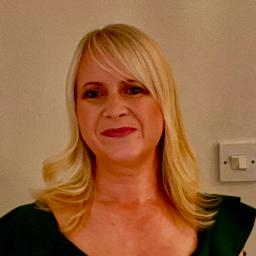
Janet Bellis, NCPS
Therapist in the UK
Janet is a NCPS therapist in the UK.
- 5+ years of experience
- Focus areas include Stress, Anxiety, Relationship issues
- Approaches include Acceptance and Commitment Therapy (ACT), Attachment-Based Therapy
See availability and next steps on BetterHelp.
About Janet
She draws on several methods to suit each person’s needs rather than following one fixed model. That means sessions may include talking through unhelpful thoughts, practising skills for intense emotions, and exploring how early relationships affect current life. Janet also uses solution-focused ideas to make small, doable changes between sessions.
Her work covers a wide range of concerns including stress, anxiety, low self-esteem, depression, grief and relationship difficulties. She also supports people with trauma and abuse, addictions, sleep and eating issues, parenting strains, career questions and coping with major life changes. Additional focus areas include attachment issues, adoption and foster care matters, body image and caregiver stress.
Janet has around five years of experience and has supported people through a prominent UK mental health charity. She has worked with people from diverse backgrounds and nationalities and pays attention to each person’s cultural and personal context. She offers evening appointments that can suit people in earlier time zones.
Sessions are offered by video call, phone, live chat or text-based messaging. To begin, clients complete a short matching questionnaire and schedule a time that fits their routine.
Areas of expertise
Experience
5+ years
Credentials
NCPS
Languages
English
Focus areas
See all focus areas
Approaches
Also listed for
See all related areas
How Janet’s approaches fit online therapy
Acceptance and Commitment Therapy (ACT) helps people notice unhelpful thoughts and choose valued actions instead. It is often used for anxiety, depression and life transitions where people want to focus on what matters most. Cognitive Behavioural Therapy (CBT) focuses on the connection between thoughts, feelings and actions and gives practical strategies to change patterns that cause distress. It is helpful for panic attacks, sleep problems, phobias and low mood. Dialectical Behaviour Therapy (DBT) teaches skills for managing intense emotions and improving relationships, including distress tolerance and emotion regulation.Finding the right approach is part of the work. Janet will talk with the client about goals and preferences and then try methods that fit. The choice of ACT, CBT or DBT elements is collaborative and can change as progress is made.
Online sessions are offered by video calls, phone, live chat or text-based messaging to make therapy easier to fit into life. Video calls allow face-to-face conversation and shared exercises. Phone sessions can be useful when bandwidth is limited or a quieter check-in is needed. Live chat and text messaging suit short notes, between-session check-ins or when people prefer writing over speaking. These options help with flexibility, access across time zones and matching the format to what works best for the individual.
Frequently asked questions
What kinds of problems does Janet help with?
She works with stress, anxiety, depression, low self-esteem and grief, and supports people facing relationship strain, trauma and addiction-related concerns.
What is her therapeutic style like?
Janet uses a pluralistic, person-centred style that adapts to each person. Sessions combine talking, skills practice and solution-focused steps tailored to the individual.
How much experience does she have?
Janet has around five years of experience, including work with a major UK mental health charity and with people from a range of backgrounds.
Where is she based and how is she registered?
She works from the United Kingdom and is registered with NCPS, the National Counselling and Psychotherapy Society.
Are sessions available in other languages or internationally?
Sessions are offered in English and she accepts international clients, with scheduling that can suit different time zones.
What formats are used for sessions?
Therapy is offered by video calls, phone sessions, live chat or text-based messaging to provide flexible options for different needs.
How much do sessions cost?
Cost varies with location and therapist availability; sessions use a subscription model that can be cancelled at any time.
How do I start working with her?
Begin by selecting the Start Therapy button, complete a short matching questionnaire, and then schedule sessions according to the therapist's availability.