BACP
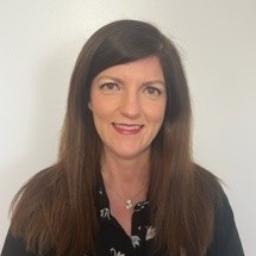
Lynsey Cuthbert, BACP
Therapist in the UK
Lynsey is a BACP therapist in the UK.
- 12+ years of experience
- Focus areas include Stress, Anxiety, Relationship issues
- Approaches include Client-Centered Therapy, Cognitive Behavioral Therapy (CBT)
See availability and next steps on BetterHelp.
About Lynsey
Lynsey holds BACP accreditation, which means she follows the British Association for Counselling and Psychotherapy standards. She has worked in private practice for 12 years. Her experience includes grief, depression, panic, addictions and compassion fatigue among other concerns.
Sessions focus on what matters to the person sitting in the room. Conversations are person-centred, aiming to understand the client’s experience first. Cognitive Behavioural Therapy ideas are used where thinking patterns and behaviours cause distress.
Psychodynamic ideas are available too, helping people look at repeated patterns and earlier life events that influence current feelings. Lynsey adapts her support to fit each person rather than using a one-size-fits-all plan. She also helps with practical family and parenting strains, blended family issues and difficulties around intimacy and commitment.
She works with people across sexual orientations and gender-related concerns, including gender dysphoria and LGBT matters. Sessions can cover career stress, sleeping problems, postpartum concerns and recovery from domestic violence or infidelity. Lynsey aims to be respectful, non-judgemental and focused on realistic next steps.
Areas of expertise
Experience
12+ years
Credentials
BACP
Languages
English
Focus areas
See all focus areas
Also listed for
How Lynsey’s approaches work online
Client-Centred Therapy focuses on listening and understanding the person's experience. The therapist follows the client's lead, offers empathy and helps people find their own solutions; this is useful for building confidence and handling life changes.Cognitive Behavioural Therapy, or CBT, looks at links between thoughts, feelings and behaviour. It breaks problems into manageable steps and uses practical exercises to reduce anxiety, panic attacks and low mood.
Finding the right approach is part of the work together. The therapist will check what feels most useful and adjust methods based on the client's needs, goals and preferences. This is a collaborative process and may change as therapy progresses.
Online therapy offers flexibility for busy lives. Video calls recreate a face-to-face feel, phone sessions use less bandwidth, live chat can be a quick check-in, and text-based messaging suits regular brief updates. These options make it easier to fit therapy into work and family schedules and to choose the format that helps someone engage most comfortably.
Frequently asked questions
What kinds of problems does Lynsey help with?
She supports people with stress, anxiety, depression, grief and relationship issues. Other areas include parenting strains, addictions, sleeping difficulties, LGBT and gender-related concerns.
What style of therapy can I expect?
Sessions are primarily person-centred, with Cognitive Behavioural Therapy and psychodynamic ideas used when helpful. The aim is to match techniques to the issue and the person's preferences.
How long has she worked in counselling?
She has 12 years of experience working in private practice and supporting people with a wide range of concerns.
Where is she based and what credentials does she hold?
She is based in the United Kingdom and is accredited with the BACP, the British Association for Counselling and Psychotherapy.
Can I work with her if I live outside the UK or in another country?
International clients are accepted and sessions can be arranged for people living outside the United Kingdom.
Which session formats are offered?
Sessions are available via video calls, phone sessions, live chat and text-based messaging. Different formats suit different needs and schedules.
How much do sessions cost?
Cost varies with location and therapist availability; sessions use a subscription model that can be cancelled at any time.
What do I do to start therapy?
Click the Start Therapy button, complete a short matching questionnaire, and then schedule sessions according to the therapist's availability.