BACP
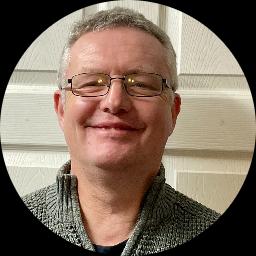
Michael Johansen, BACP
Therapist in the UK
Michael is a BACP therapist in the UK.
- 7+ years of experience
- Focus areas include Stress, Anxiety, Trauma and abuse
- Approaches include Client-Centered Therapy, Psychodynamic Therapy
See availability and next steps on BetterHelp.
About Michael
Michael practises in a person-centred way that keeps the client's experience at the heart of sessions. He listens without judgement and helps people make sense of what they're feeling. He draws on psychodynamic thinking to look at patterns from the past that still affect the present.
Trauma-focused work is part of his approach when people carry distress from painful experiences. Sessions aim to help the person feel steadier and more able to manage difficult memories or reactions. Michael describes the pace as collaborative and adaptable to what each person needs.
He has seven years of professional experience and is registered with the BACP, the British Association for Counselling and Psychotherapy. His practice is based in the United Kingdom and he offers sessions in English.
People can expect practical conversation and reflective work. Michael helps name problems, try new ways of coping, and make small changes that build over time. He invites questions and discussion about how therapy will work for each individual.
To begin, he asks people to think about what they want to address and to discuss any concerns during an initial booking conversation. Sessions are paced to fit the person's needs and priorities.
Areas of expertise
Experience
7+ years
Credentials
BACP
Languages
English
Focus areas
See all focus areas
Also listed for
See all related areas
How therapeutic approaches translate to online work
Client-Centred Therapy focuses on listening without judgement and following the person's lead in conversation. Online sessions using this approach let the counsellor respond to what matters most to the person and prioritise their concerns in each meeting.Psychodynamic Therapy looks at recurring patterns and how past experiences shape present behaviour. In remote sessions this can involve reflective discussion about relationships and memories to spot repeated themes and try new ways of responding.
Trauma-Focused Therapy addresses distress linked to painful events by building coping skills and gradually working with difficult memories. Over video or phone this often means pacing the work to match how much someone can manage and choosing techniques that feel safe for them.
Choosing the right approach is part of the process. The therapist will work collaboratively to decide what fits a person's needs, goals and preferences. That may mean trying one way of working and adapting it as progress is made.
Online formats offer practical benefits. Video calls approximate face-to-face conversation and allow non-verbal cues to be seen. Phone sessions can be easier when bandwidth is limited or when someone prefers not to be on camera. Live chat and text-based messaging suit shorter check-ins or people who find typing easier than speaking. These options make therapy more flexible and easier to fit around work and family life.
Frequently asked questions
What concerns does Michael help with?
He works with stress, anxiety, trauma and abuse, self-esteem, depression and grief. He also supports people with relationship issues, parenting strain, career worries, anger and ADHD-related struggles.
What style of therapy does he use in sessions?
Sessions are primarily person-centred, so the conversation follows what the person brings. He also uses psychodynamic ideas to look at recurring patterns and trauma-focused methods when past hurts need specific attention.
How much experience does he have?
Michael has seven years of professional experience working with a range of emotional and relational problems in the United Kingdom.
What credentials and location are relevant?
He is registered with the BACP, the British Association for Counselling and Psychotherapy, and practises in the United Kingdom.
Which languages are supported and can international clients join?
Sessions are offered in English. He is not accepting international clients at this time.
In what formats are sessions available?
Therapy is offered via video calls, phone sessions, live chat or text-based messaging to suit different needs and schedules.
How is cost handled?
Cost varies with location and therapist availability and sessions are provided through a subscription that can be cancelled at any time.
How do I get started with booking?
Begin by selecting the Start Therapy button, complete a short matching questionnaire, and then schedule sessions according to the therapist's availability.