BACP
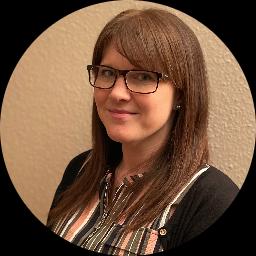
Michelle Reid, BACP
Therapist in the UK
Michelle is a BACP therapist in the UK.
- 10+ years of experience
- Focus areas include Stress, Anxiety, Relationship issues
See availability and next steps on BetterHelp.
About Michelle
Her style is straightforward and supportive. Sessions invite people to talk through what matters most to them and to try small, practical steps between meetings. She pays attention to patterns around attachment, abandonment and communication that can make relationships feel stuck.
Michelle also works with concerns such as body image, codependency, chronic pain and illness, and issues that arise after separation or divorce. She is familiar with the particular challenges faced by people on the autism spectrum and those with avoidant or dependent personality patterns. Her approach helps people build clearer boundaries and steadier coping skills.
Over a decade of practice has given her experience across blended family dynamics and the stress that follows natural or human-caused disasters. She listens for each person's priorities and adjusts the pace accordingly. Sessions aim to leave people with clearer choices and tools they can use in daily life.
Michelle is registered with the British Association for Counselling and Psychotherapy, BACP. She works in English and provides online sessions across a range of formats to suit different needs.
Areas of expertise
Experience
10+ years
Credentials
BACP
Languages
English
Focus areas
Also listed for
See all related areas
How evidence-based techniques work online
Michelle uses evidence-based therapeutic techniques that focus on clear steps and practical change. One common approach she uses helps people learn to spot unhelpful thinking and to test new ways of responding to stress and anxiety. This can reduce overwhelm and build everyday coping skills.Another approach looks at patterns in close relationships, including attachment and abandonment concerns. The work involves noticing recurring reactions and trying different ways of communicating to improve connection and reduce conflict.
Choosing the right approach is a joint process. Michelle will talk with each person about goals, preferences and what feels most helpful, and then suggest ways to try things out. She adjusts methods over time based on progress and feedback.
Online sessions are offered by video call, phone, live chat or text-based messaging to fit different routines. Video calls allow face-to-face conversation, phone sessions can be a simpler option when bandwidth is limited, live chat suits shorter check-ins and text messaging works for ongoing, flexible support. These options help people fit therapy around work, caregiving or mobility needs while keeping the focus on what they want to achieve.
Frequently asked questions
What concerns does Michelle commonly help with?
She helps people manage stress, anxiety, relationship and family issues, self-esteem and coping with life changes. Additional focuses include abandonment, attachment difficulties, body image and chronic health challenges.
What is her therapeutic style like?
Her manner is straightforward and collaborative. She encourages practical steps and clear communication that can be used between sessions.
How much clinical experience does she have?
Michelle has ten years of professional experience working with a range of emotional and relational concerns.
What credential does she hold and where is she based?
She is registered with the British Association for Counselling and Psychotherapy, BACP, and practices in the United Kingdom.
Which languages are available for sessions?
Sessions are offered in English.
Can I work with her from outside the UK?
International clients are not currently accepted; sessions are offered to people within the UK.
What formats are offered for sessions?
She provides video calls, phone sessions, live chat and text-based messaging to give flexible options for contact.
How are costs handled and how do I begin?
Cost varies with location and therapist availability and sessions use a subscription that can be cancelled at any time. To start, select the Start Therapy button, complete a short matching questionnaire and schedule according to availability.