
Sidonia Stiles
BACP· Accepting clientsUnited Kingdom · 27 yrs exp
Stress, Anxiety · Relationship · Grief · Intimacy-related issues · +13 more
Read profileThe therapy listings are provided by BetterHelp and we will earn a commission if you use our link - at no cost to you.
Speaking with a therapist in Portuguese can make it easier to express nuanced feelings and cultural experiences. Browse Portuguese-speaking therapists below to view profiles, approaches and contact options that may suit your needs.
United Kingdom · 27 yrs exp
Stress, Anxiety · Relationship · Grief · Intimacy-related issues · +13 more
Read profile
United Kingdom · 8 yrs exp
Stress, Anxiety · Relationship · Anger · Self esteem · +5 more
Read profile
United Kingdom · 11 yrs exp
Relationship · Family · Grief · Self esteem · +14 more
Read profile
United Kingdom · 7 yrs exp
Stress, Anxiety · Relationship · Family · Trauma and abuse · +7 more
Read profile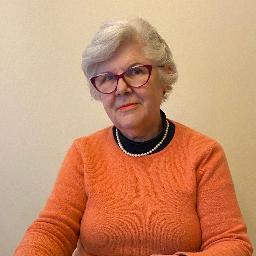
United Kingdom · 40 yrs exp
Stress, Anxiety · Relationship · Family · Self esteem · +10 more
Read profile
United Kingdom · 10 yrs exp
Stress, Anxiety · Relationship · Eating · Self esteem · +10 more
Read profile
United Kingdom · 10 yrs exp
Stress, Anxiety · Relationship · Parenting · Self esteem · +10 more
Read profile
United Kingdom · 16 yrs exp
Stress, Anxiety · Addictions · Relationship · Family · +15 more
Read profile
United Kingdom · 16 yrs exp
Stress, Anxiety · Relationship · Family · Trauma and abuse · +13 more
Read profile
United Kingdom · 8 yrs exp
Stress, Anxiety · LGBT · Trauma and abuse · Grief · +11 more
Read profile
United Kingdom · 10 yrs exp
Stress, Anxiety · Addictions · LGBT · Relationship · +7 more
Read profile
United Kingdom · 5 yrs exp
Stress, Anxiety · Relationship · Family · Trauma and abuse · +7 more
Read profile
United Kingdom · 7 yrs exp
Stress, Anxiety · Relationship · Self esteem · Depression · +8 more
Read profile
United Kingdom · 4 yrs exp
Stress, Anxiety · Trauma and abuse · Grief · Depression · +6 more
Read profile
United Kingdom · 10 yrs exp
Relationship · Family · Parenting · Coping with life changes · +8 more
Read profile
United Kingdom · 23 yrs exp
Stress, Anxiety · Relationship · Trauma and abuse · Self esteem · +11 more
Read profile
United Kingdom · 3 yrs exp
Stress, Anxiety · Addictions · Trauma and abuse · Self esteem · +1 more
Read profile
United Kingdom · 10 yrs exp
Stress, Anxiety · Family · Anger · Self esteem · +14 more
Read profile
United Kingdom · 9 yrs exp
Stress, Anxiety · LGBT · Trauma and abuse · Self esteem · +13 more
Read profile
United Kingdom · 3 yrs exp
Stress, Anxiety · Addictions · LGBT · Trauma and abuse · +6 more
Read profile
United Kingdom · 17 yrs exp
Stress, Anxiety · Grief · Anger · Self esteem · +1 more
Read profile
United Kingdom · 9 yrs exp
Addictions · Trauma and abuse · Self esteem · Depression · +5 more
Read profile
United Kingdom · 22 yrs exp
Stress, Anxiety · Addictions · Relationship · Family · +1 more
Read profile
United Kingdom · 8 yrs exp
Stress, Anxiety · Addictions · Trauma and abuse · Self esteem · +14 more
Read profileWhen you can speak in the language you grew up with, you often access subtleties of emotion and memory that can be harder to reach in a second language. You may find it easier to name childhood experiences, family dynamics and cultural references when you and your therapist share the same linguistic frame. This can reduce the effort of translation in the moment and help you feel understood at a deeper level.
Language also carries cultural meaning. Words and phrases that have particular connotations in Portuguese may not translate cleanly into English, and those differences can shape how your experiences are heard and interpreted. A therapist who speaks Portuguese can recognise idioms, humour, and social norms that are meaningful to you, which can make the therapeutic conversation richer and more relevant to your life.
If you are not fully comfortable in English, counselling in that language can add strain to an already demanding process. You might find yourself simplifying complex feelings, avoiding certain topics to sidestep vocabulary gaps, or relying on general descriptions rather than precise emotional words. That can slow progress and sometimes leave important material unexplored.
You may also experience fatigue from continuous translation, where the mental work of switching languages affects your concentration. Emotional intensity can be dampened when you lack familiar phrases to describe your inner world. By choosing a Portuguese-speaking therapist you can reduce these barriers and create more space for honest, detailed exploration of your thoughts and feelings.
Online therapy often follows a similar structure to in-person work: an initial conversation to establish reason for coming to therapy, ongoing sessions that explore themes and patterns, and practical strategies or reflections tailored to your goals. Many Portuguese-speaking therapists offer these services by video call, telephone or messaging, which can suit different preferences for communication and convenience.
When you meet a Portuguese-speaking therapist online, you can expect to discuss how you prefer to work, what you hope to gain and any cultural or family contexts that matter. You may also want to talk about practical details like session length, frequency and fees. A clear conversation about how you both communicate helps set boundaries and build a working relationship that fits your needs.
Many people from Portuguese-speaking communities encounter cultural stigma around mental health that can make it hard to seek help. There can be strong expectations to cope within the family, or worries about being judged by your community. These pressures often shape the kinds of issues you bring into therapy and the pace at which you feel comfortable opening up.
Practical barriers also exist. You might live in an area with few therapists who speak Portuguese, or you may be unsure which professionals are registered or have relevant experience with migration, grief, or bilingual family dynamics. It is common to be concerned about communicating your needs and finding someone who respects your cultural background. A therapist who speaks Portuguese can offer a conversation where cultural references are immediately relatable, which may help you explore sensitive topics more freely.
Online therapy widens the pool of Portuguese-speaking professionals you can reach. Instead of being limited by geography, you can connect with therapists across the UK who offer counselling in Portuguese, increasing the likelihood of finding a clinician whose approach and experience align with what you need. This is particularly helpful if you live outside larger urban centres or prefer to speak with someone from a particular Portuguese-speaking country or regional background.
Online work also offers practical flexibility for busy lives. You can arrange sessions that fit around work, family commitments and travel without the need for additional commuting time. This flexibility can make it easier to maintain ongoing therapy over months, which many people find important for meaningful progress. Additionally, some people appreciate the option to choose between video, telephone or text-based sessions depending on how they feel in the moment.
Start by thinking about what matters most to you in therapy. You may want someone who understands migration or bereavement, someone who shares a regional Portuguese dialect, or a practitioner who lists particular approaches among their methods. When you read profiles, look for information about professional registration, areas of interest and the ways a therapist describes their work. That can give you a sense of whether their focus might fit your concerns.
Consider reaching out with a short message to introduce yourself and outline your goals or questions. A brief initial conversation can help you sense whether you feel comfortable speaking with that person in Portuguese and whether their style matches your expectations. It is normal to try more than one therapist before you find a good fit, and taking the time to notice how you feel after a session - heard, understood and respected - can be as informative as the therapist's listed approaches or qualifications.
Finally, you may wish to think about practical arrangements such as session length, communication method and fees. These details matter because they shape how consistent and sustainable therapy will be for you. By combining attention to cultural fit, communication style and logistics, you can make a choice that supports steady progress and a therapeutic relationship where you can speak openly in Portuguese.