NCPS
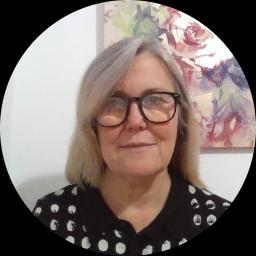
Caroline Tresman, NCPS
Therapist in the UK
Caroline is a NCPS therapist in the UK.
- 10+ years of experience
- Focus areas include Stress, Anxiety, Trauma and abuse
See availability and next steps on BetterHelp.
About Caroline
Caroline is listed with NCPS, and she completed an MSc counselling qualification at Keele University in 2020. She has provided therapeutic work since 2015 and combines talking therapy with practical techniques that clients can use between sessions. She is currently studying how nutrition can affect mental health.
Her style is person-centred and integrative. She listens with warmth and aims to help people feel safe enough to talk about difficult memories. When useful, she draws on Emotional Freedom Technique, often called EFT or Tapping, and Matrix Reimprinting to help address stuck or painful memories.
Caroline may also draw ideas from cognitive behavioural approaches and transactional analysis when these suit a person’s goals. Her work often focuses on practical steps to reduce distress and on helping people develop steadier ways of coping. She has experience supporting people after very painful life events and with self-harming and suicidal feelings.
People who choose Caroline can expect collaborative sessions that move at a pace they can manage. She aims to offer an early first appointment and uses messaging to arrange times that fit both her and the client.
Areas of expertise
Experience
10+ years
Credentials
NCPS
Languages
English
Focus areas
See all focus areas
Also listed for
See all related areas
How therapeutic techniques translate to online care
Many of the approaches Caroline uses are practical and work well online. Emotional Freedom Technique, often called EFT or Tapping, involves gentle tapping on specific points while talking through feelings to reduce distress; it can help with anxiety, low mood and trauma-related symptoms. Matrix Reimprinting works with memories by revisiting past images and changing the emotional response, which can reduce the intensity of painful recollections and unhelpful behaviours.Finding the right blend of techniques is a collaborative process. The therapist will discuss goals and preferences, then try approaches that fit each person's needs. Sessions progress at a pace chosen by the client and are adjusted as things change over time.
Online formats include video calls, phone sessions, live chat and text-based messaging, offering real flexibility. Video is useful when visual contact matters, phone calls can be easier when bandwidth is low, and messaging or chat can suit brief check-ins or people who prefer typing. These options make it simpler to fit therapy around work, family and travel commitments while keeping continuity of care.
Frequently asked questions
What kinds of problems can she help with?
She supports people with stress, anxiety, depression, trauma and abuse, anger, low self-esteem, addictions, grief, relationship and family issues, eating and sleeping problems, parenting and career concerns, bipolar and coping with life changes.
What is her therapeutic style like?
Her approach is person-centred and integrative, focusing on listening and building safety. Sessions combine talking therapy with practical techniques chosen to fit each person.
How much experience does she have?
She has worked therapeutically since 2015 and holds an MSc in counselling from Keele University, completed in 2020, giving around ten years of related experience.
Where is she based and what credentials does she hold?
She practises from the United Kingdom and is listed with NCPS, noted in her credentials.
Which languages and regions does she support?
Sessions are offered in English and she accepts international clients.
What session formats are available?
She offers video calls, phone sessions, live chat and text-based messaging to suit different preferences and schedules.
How are sessions paid for and what do they cost?
Sessions use a subscription model that can be cancelled at any time; cost varies with location and therapist availability.
How do I begin working with her?
Start by selecting the Start Therapy button, complete a short matching questionnaire, and then schedule sessions according to the therapist's availability.