BACP
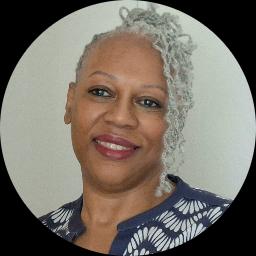
Diana Simpson, BACP
Therapist in the UK
Diana is a BACP therapist in the UK.
- 21+ years of experience
- Focus areas include Stress, Anxiety, Relationship issues
- Approaches include Client-Centered Therapy, Cognitive Behavioral Therapy (CBT)
See availability and next steps on BetterHelp.
About Diana
She uses client-centred approaches that put the person and their goals at the heart of the work. Cognitive behavioural techniques help to spot and change unhelpful thinking and behaviour. Solution-focused ideas are used to build small, achievable steps towards clearer ways of coping.
Diana also draws on internal family systems ideas to help people understand different parts of themselves and how those parts interact. This can be helpful for issues tied to attachment, abandonment and complex responses after trauma. She shapes the mix of methods to suit each person rather than following a single template.
Sessions are practical and conversational. She aims to create an atmosphere of respect and calm so people can talk through painful experiences, work on boundaries, or practice new ways of relating. Common topics include parenting stresses, family problems, grief, addictions, intimacy concerns and career pressures.
Her background includes long-term training in psychological studies and family systems work, combined with 21 years of clinical practice. The focus is on helping people build useful skills, increase self-awareness and move towards clearer choices in everyday life.
Areas of expertise
Experience
21+ years
Credentials
BACP
Languages
English
Focus areas
See all focus areas
Approaches
Also listed for
See all related areas
How therapeutic approaches work online
Client-Centred Therapy focuses on listening closely and following the person’s lead. The counsellor creates a respectful, non-judgemental space and helps people identify goals and make decisions that feel right for them. Cognitive Behavioural Therapy, or CBT, looks at how thoughts, feelings and actions connect and offers practical techniques to change unhelpful patterns. It is useful for anxiety, low mood and managing stress.Finding the right approach is part of the work together. The counsellor will discuss goals, preferences and what feels most useful, then adapt methods as sessions progress. That collaborative process helps ensure the plan fits the person rather than forcing a single method.
Online therapy offers several practical benefits. Video calls let people meet face-to-face when travel is difficult or time is tight. Phone sessions work well when a shorter check-in is needed or when video is not suitable, and they use less bandwidth. Live chat and text-based messaging provide asynchronous options for brief reflections, follow-ups or coaching-style support between calls. Together these formats make it easier to fit therapy around work, family life and other commitments while keeping the focus on real, usable steps forward.
Frequently asked questions
What kinds of problems can be discussed in sessions?
Common topics include stress, anxiety, depression, relationship and family concerns, parenting worries, grief, addictions and career pressures. Additional focuses include attachment, abandonment, body image and caregiver stress.
What is the overall therapeutic style?
Work is conversational and client-centred, with practical tools from cognitive behavioural therapy and solution-focused techniques. Internal Family Systems ideas are used when it helps to understand inner parts and patterns.
How long has this counsellor been practising?
She brings 21 years of experience working in therapeutic roles and training in psychological and family systems approaches.
Is the counsellor accredited and where are services offered?
Registration is with the British Association for Counselling and Psychotherapy - BACP. Sessions are offered to people in the United Kingdom.
Which languages are sessions available in?
Sessions are offered in English.
Can international clients work with this counsellor?
International clients are not currently accepted.
What formats do sessions come in?
Sessions are available by video calls, phone sessions, live chat or text-based messaging to provide flexible options for different needs.
How do I begin if I want to try therapy?
Choose the Start Therapy button, complete a short matching questionnaire and then schedule sessions according to the counsellor's availability. Sessions use a subscription that can be cancelled at any time.