BACP
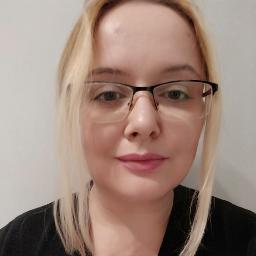
Ewa Polit, BACP
Therapist in the UK
Ewa is a BACP therapist in the UK.
- 7+ years of experience
- Focus areas include Stress, Anxiety, Trauma and abuse
- Approaches include Acceptance and Commitment Therapy (ACT), Client-Centered Therapy
See availability and next steps on BetterHelp.
About Ewa
Ewa uses a straightforward, person-focused style. Sessions aim to clarify what matters most and build practical steps forward. She listens without judgement and tailors the pace to each person’s needs.
Her background includes seven years of combined coaching and psychotherapy practice. She holds BACP membership, which is the British Association for Counselling and Psychotherapy credential listed in her profile. She continues professional development in trauma-related methods.
In therapy she blends approaches to match the problem at hand. Methods mentioned in her work include Acceptance and Commitment Therapy, client-centred techniques, Dialectical Behaviour Therapy, Emotionally-Focused Therapy and Eye Movement Desensitisation and Reprocessing. This mix lets her alternate between skills training, emotional work and trauma processing.
Sessions can run for the short or long term depending on goals, though she often works in longer programmes of six months or more. She offers help in English and Polish, and she works with clients in the United Kingdom as well as international clients. The process usually starts with a short matching questionnaire and scheduling.
Areas of expertise
Experience
7+ years
Credentials
BACP
Languages
English, Polish
Focus areas
See all focus areas
Approaches
Also listed for
See all related areas
How Ewa’s approaches translate to online therapy
Acceptance and Commitment Therapy (ACT) focuses on recognising difficult thoughts and feelings while committing to actions that reflect personal values. It is useful for anxiety, stress and life changes where clarity about what matters helps guide next steps.Client-Centred Therapy places the person’s own experience at the heart of work. The therapist offers non-judgemental listening and reflection to help people find their own solutions, which can be especially helpful for self-esteem and relationship concerns.
Eye Movement Desensitisation and Reprocessing (EMDR) is a trauma-focused method that helps reduce the intensity of painful memories through structured processing. It is often used when trauma or abuse have left symptoms that interfere with daily life.
Choosing the right approach is part of the work together. The therapist will discuss goals, preferences and the nature of the problem, then suggest options and adjust methods as therapy progresses. This collaborative approach means the plan can change if something isn’t working.
Online formats include video calls, phone sessions, live chat and text-based messaging. Video sessions support face-to-face conversation and emotional work. Phone sessions can be easier when bandwidth is limited or a shorter check-in is needed. Live chat and messaging allow flexible, on-the-go contact and brief coaching between sessions. These options make it simpler to fit therapy into a busy schedule and to keep continuity when travel or relocation happens.
Frequently asked questions
What concerns does Ewa address?
She supports people with stress, anxiety, depression and trauma alongside issues such as self-esteem, grief, parenting strain, relationship and intimacy problems.
How would you describe her therapeutic style?
Her style is person-focused and goal oriented, combining listening with practical steps and a pace set by the client.
What experience does she bring to therapy?
She has seven years of experience in coaching and psychotherapy and continues professional development in trauma-related methods.
What credentials and location are listed?
Her profile lists membership of the British Association for Counselling and Psychotherapy (BACP) and she practises from the United Kingdom.
Which languages are offered and can international clients join?
Sessions are offered in English and Polish, and she accepts international clients.
What session formats are available?
Sessions can take place via video calls, phone sessions, live chat or through text-based messaging.
How are sessions paid for?
Cost varies with location and therapist availability; sessions use a subscription model that can be cancelled at any time.
How do I begin working with her?
Begin by selecting the Start Therapy button, completing a short matching questionnaire, then schedule sessions according to the therapist's availability.