BACP
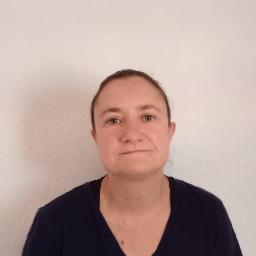
Rachel Cannon, BACP
Therapist in the UK
Rachel is a BACP therapist in the UK.
- 13+ years of experience
- Focus areas include Stress, Anxiety, Addictions
- Approaches include Attachment-Based Therapy, Client-Centered Therapy
See availability and next steps on BetterHelp.
About Rachel
Rachel helps people facing a wide range of concerns, including stress, anxiety, depression, addictions and trauma. They also support those dealing with sexuality and gender questions, grief, relationship and intimacy-related issues, and career or midlife shifts. Additional focuses include chronic illness and disability, caregiver stress, ADHD, and challenges linked to prejudice or discrimination.
In practice Rachel blends humanistic and psychodynamic ideas with client-centred principles and motivational interviewing. Sessions can focus on what is happening now or look back at earlier life events to find repeating patterns. The approach is tailored to each person rather than following a single method.
Rachel aims to make therapy straightforward and collaborative. Conversations often involve reflecting on feelings, spotting patterns, and planning small steps forward. Practical strategies may be used alongside deeper exploration depending on what someone needs.
The overall tone is encouraging and respectful. Rachel works to reduce shame and challenge stigma so people can speak openly about their concerns. For many, therapy with Rachel becomes a space to understand themselves better and to try new ways of coping.
Areas of expertise
Experience
13+ years
Credentials
BACP
Languages
English
Focus areas
See all focus areas
Approaches
Approaches you can try online
Rachel often uses attachment-based ideas to look at how early relationships shape current feelings and patterns, which can help with anxiety, trust issues and intimacy concerns. Client-centred therapy is another core element, focusing on listening and reflecting so people feel understood and can find their own solutions.Rachel will work together with each person to discover which approach fits best. That means discussing goals, trying different ways of working, and adjusting the focus as needs change. The choice of method is a shared decision rather than a fixed plan.
Online sessions are offered by video call, phone, live chat or text-based messaging to give practical options. Video calls allow face-to-face conversation, phone sessions can be easier when bandwidth is limited, chat is good for shorter check-ins, and messaging supports ongoing reflection between appointments. These formats make it easier to fit therapy around work, family and travel commitments while keeping therapy consistent and accessible.
Frequently asked questions
What kinds of concerns can Rachel help with?
Rachel supports people with stress, anxiety, depression, addictions, trauma and abuse, plus relationship and intimacy-related issues. They also work with concerns such as grief, bipolar, ADHD and challenges linked to sexuality and gender.
How does Rachel approach therapy?
The style is collaborative and non-judgemental, combining attachment-based, client-centred, motivational interviewing and psychodynamic ideas. Sessions can range from practical steps to deeper reflection on earlier life events.
What is Rachel’s professional background?
Rachel has thirteen years of therapeutic practice and more than twenty years working in mental health settings. That experience informs a flexible approach tailored to each person.
Where is Rachel based and what credential do they hold?
Rachel practises in the United Kingdom and is BACP accredited, as stated in their profile.
In which languages are sessions offered and can international clients be seen?
Sessions are offered in English and Rachel accepts international clients.
What session formats are available?
Therapy is offered via video calls, phone sessions, live chat, or text-based messaging to suit different needs and schedules.
How is cost handled for sessions?
Costs vary with location and therapist availability; sessions are provided through a subscription model that can be cancelled at any time.
How do I start therapy with Rachel?
Begin by selecting the Start Therapy button, complete a short matching questionnaire, and then schedule sessions according to the therapist’s availability.