BACP
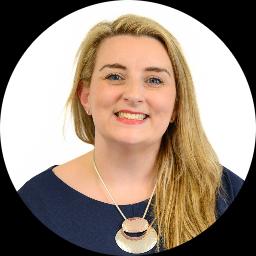
Siobhan Hopkins, BACP
Therapist in the UK
Siobhan is a BACP therapist in the UK.
- 4+ years of experience
- Focus areas include Relationship issues, Grief
- Approaches include Attachment-Based Therapy, Client-Centered Therapy
See availability and next steps on BetterHelp.
About Siobhan
Siobhan uses a blend of approaches with a person-centred core. She helps people understand how past attachments shape present relationships, and she draws on cognitive tools to address worrying thoughts and behaviours. Mindfulness and Jungian ideas are sometimes brought in to help people notice patterns and access inner resources.
Her practice covers common issues such as depression, anger, intimacy-related struggles, stress and career uncertainty. Siobhan also offers support around complex topics like trauma and abuse, domestic violence, codependency, abandonment and the emotional impact of caregiving or illness. She invites clients to tell their stories at their own pace.
Siobhan trained at Newman University in Birmingham and has practised in the United Kingdom, Ireland and the USA. She is registered with the British Association for Counselling and Psychotherapy - BACP. Her background combines humanistic, psychodynamic and gestalt ways of working alongside a person-centred foundation.
Practical matters are straightforward: sessions take place online and can use video calls, phone, live chat or text messaging. International clients who speak English are welcome. Siobhan aims to create a warm, accepting space with a gentle sense of humour to support people as they make changes.
Areas of expertise
Experience
4+ years
Credentials
BACP
Languages
English
Focus areas
See all focus areas
Approaches
Also listed for
See all related areas
Approaches that suit online work
Siobhan commonly uses attachment-based ideas to look at how early relationships influence current connections. This approach helps people notice patterns in close relationships and the feelings that come up in them.She also works in a person-centred way which focuses on listening closely and following the client's priorities. This helps people feel heard while they decide what changes they want to make.
Cognitive behavioural techniques are used to spot unhelpful thoughts and try practical steps to change behaviours. These tools can be useful for anxiety, stress, low mood and addictive patterns.
Finding the right approach is part of the process and is decided together. The therapist will discuss goals, preferences and what feels most helpful, then adjust the mix of ways of working over time in collaboration with the client.
Online sessions are available by video call, phone, live chat or text messaging to fit busy lives and different needs. Video calls are good for face-to-face conversation, phone sessions work well when bandwidth is low or when screen-free contact is preferred, live chat can suit short check-ins, and messaging is useful for ongoing support between sessions. These formats aim to make therapy more flexible and easier to fit around work, parenting and travel.
Frequently asked questions
What concerns does she help people with?
She supports people with relationship difficulties, grief, parenting challenges, career problems, anxiety, stress, depression and addictions. She also works with trauma, domestic violence, codependency and issues related to caregiving and illness.
What is her therapeutic style like?
Her style is warm and person-centred with a practical focus. Sessions aim to explore patterns, make sense of feelings and try out small changes between meetings.
How much experience does she have?
She has four years of clinical experience and has practised in the United Kingdom, Ireland and the USA. That background informs her work with a range of life challenges.
What credentials and location does she hold?
She is registered with the British Association for Counselling and Psychotherapy, noted as BACP. Her practice is based in the United Kingdom.
Which languages and international options are available?
Sessions are offered in English and she accepts international clients who speak English.
What session formats are offered online?
Therapy can be carried out by video calls, phone sessions, live chat or text-based messaging to suit different preferences and schedules.
How are sessions paid for and what does it cost?
Costs vary with location and therapist availability; sessions use a subscription model that can be cancelled at any time.
How do I start working with this therapist?
Begin by selecting the Start Therapy button and completing a short matching questionnaire, then schedule sessions according to the therapist's availability.