NCPS
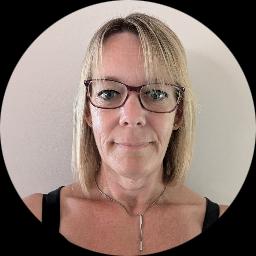
Zoë Cramer, NCPS
Therapist in the UK
Zoë is a NCPS therapist in the UK.
- 3+ years of experience
- Focus areas include Stress, Anxiety, Grief
- Approaches include Client-Centered Therapy, Cognitive Behavioral Therapy (CBT)
See availability and next steps on BetterHelp.
About Zoë
Zoë focuses on everyday struggles that can make life feel heavy. That includes stress, anxiety and depression, as well as panic attacks and addictions. She also supports people coping with grief, low self-esteem, difficulties at work, and the strain of parenting.
Her approach is straightforward. Sessions begin by listening to what matters most to the person and what they want to change. Cognitive behavioural methods are used to spot unhelpful thinking and try small experiments that can make daily life easier. Psychodynamic ideas help look at patterns that have developed over time.
Zoë pays attention to relationship and identity concerns, including issues tied to LGBT experience, attachment or abandonment worries, and communication problems. She also works with people facing chronic illness, body image concerns, financial stress and feelings of isolation.
Practical formats include video calls, phone sessions, live chat and text-based messaging. Fees vary by location and use a subscription that can be cancelled at any time. To begin, a short matching questionnaire is completed and sessions are scheduled according to therapist availability.
Areas of expertise
Experience
3+ years
Credentials
NCPS
Languages
English
Focus areas
See all focus areas
Approaches and online therapy options
Zoë works from a client-centred foundation, which means sessions begin with careful listening and a focus on the person's priorities. This approach helps people feel understood and steer the work in ways that matter to them.Cognitive behavioural therapy, or CBT, is used to identify unhelpful thoughts and test practical changes. It is helpful for anxiety, panic, mood problems and managing everyday stresses by trying small, measurable steps.
Psychodynamic ideas are also part of her work when helpful; they look at recurring patterns and how past experiences might shape current reactions. This can be useful for attachment, abandonment concerns and relationship patterns.
Finding the right approach is a collaborative process. Zoë will discuss options and tailor the mix of methods to a person's goals, needs and preferences rather than imposing one way of working.
Online formats include video calls, phone sessions, live chat and text-based messaging. Video calls are good for face-to-face work and fuller conversations, while phone sessions can fit a break at work or require less bandwidth. Live chat and messaging are useful for brief check-ins, ongoing support between sessions or when written reflection helps. These options aim to make therapy more flexible and easier to fit into daily life.
Frequently asked questions
What concerns does Zoë focus on?
Zoë helps people with stress, anxiety, depression, panic attacks and addictions, along with grief, low self-esteem and parenting strain.
How would you describe Zoë's therapeutic style?
Her style combines client-centred listening with cognitive behavioural techniques and psychodynamic thinking to address immediate problems and longer-term patterns.
What background and experience does she bring?
She has three years of professional experience working in therapeutic roles in the United Kingdom.
What credential does Zoë hold and where is she based?
Zoë holds NCPS and practices in the United Kingdom.
Which languages and international options are available?
Sessions are offered in English and she does not accept international clients.
What session formats are offered?
Sessions can be held as video calls, phone sessions, live chat or text-based messaging to fit different needs and schedules.
How are fees structured?
Cost varies with location and therapist availability and sessions use a subscription model that can be cancelled at any time.
How do I begin working with Zoë?
Start by selecting the Start Therapy button, complete a short matching questionnaire, and then schedule sessions according to therapist availability.