
Anamika Saggar
BACP· Accepting clientsUnited Kingdom · 12 yrs exp
Stress, Anxiety · Relationship · Grief · Parenting · +7 more
Read profileThe therapy listings are provided by BetterHelp and we will earn a commission if you use our link - at no cost to you.
This directory highlights counsellors and therapists who identify as Black or who specialise in Black cultural experiences and racial harm. Browse the listings below to review practitioner profiles, approaches, languages and professional registration.
United Kingdom · 12 yrs exp
Stress, Anxiety · Relationship · Grief · Parenting · +7 more
Read profile
United Kingdom · 8 yrs exp
Stress, Anxiety · Grief · Depression · Compassion fatigue · +10 more
Read profile
United Kingdom · 5 yrs exp
Stress, Anxiety · Addictions · Relationship · Grief · +1 more
Read profile
United Kingdom · 5 yrs exp
Stress, Anxiety · Relationship · Grief · Depression · +9 more
Read profile
United Kingdom · 9 yrs exp
Stress, Anxiety · Relationship · Family · Trauma and abuse · +12 more
Read profile
United Kingdom · 6 yrs exp
Relationship · Trauma and abuse · Grief · Self esteem · +15 more
Read profile
United Kingdom · 27 yrs exp
Stress, Anxiety · Relationship · Grief · Intimacy-related issues · +13 more
Read profile
United Kingdom · 6 yrs exp
Stress, Anxiety · Relationship · Family · Trauma and abuse · +7 more
Read profile
United Kingdom · 20 yrs exp
Stress, Anxiety · Relationship · Family · Trauma and abuse · +13 more
Read profile
United Kingdom · 3 yrs exp
Stress, Anxiety · Relationship · Family · Trauma and abuse · +12 more
Read profile
United Kingdom · 11 yrs exp
Relationship · Trauma and abuse · Anger · Self esteem · +11 more
Read profile
United Kingdom · 15 yrs exp
Stress, Anxiety · Family · Trauma and abuse · Anger · +14 more
Read profile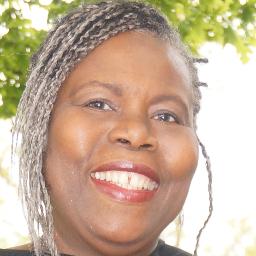
United Kingdom · 11 yrs exp
Stress, Anxiety · Relationship · Family · Self esteem · +14 more
Read profile
United Kingdom · 5 yrs exp
Parenting · Anger · Self esteem · Coping with life changes · +15 more
Read profile
United Kingdom · 9 yrs exp
Stress, Anxiety · Relationship · Family · Trauma and abuse · +7 more
Read profile
United Kingdom · 5 yrs exp
Stress, Anxiety · Relationship · Family · Trauma and abuse · +15 more
Read profile
United Kingdom · 5 yrs exp
Stress, Anxiety · Grief · Self esteem · Depression · +15 more
Read profile
United Kingdom · 9 yrs exp
Stress, Anxiety · Family · Self esteem · Depression · +14 more
Read profile
United Kingdom · 7 yrs exp
Stress, Anxiety · Relationship · Family · Self esteem · +5 more
Read profile
United Kingdom · 5 yrs exp
Stress, Anxiety · Trauma and abuse · Self esteem · Coping with life changes · +15 more
Read profile
United Kingdom · 3 yrs exp
Stress, Anxiety · Depression · Coping with life changes · Addictions · +10 more
Read profile
United Kingdom · 8 yrs exp
Stress, Anxiety · Relationship · Anger · Self esteem · +5 more
Read profile
United Kingdom · 7 yrs exp
Stress, Anxiety · LGBT · Relationship · Depression · +11 more
Read profile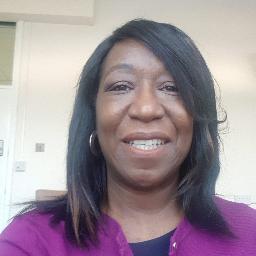
United Kingdom · 20 yrs exp
Stress, Anxiety · Trauma and abuse · Grief · Anger · +13 more
Read profileWhen a therapist is listed as a Black therapist on a directory it generally indicates either that they identify as Black or that they state a particular focus on issues affecting Black communities. This may include exploration of identity, cultural belonging, experiences of racism and microaggressions, migration and intergenerational history. For many people the distinction matters because it can shape the relational dynamic in therapy - cultural reference points, shared language and an awareness of social and historical forces that influence emotional life.
You should expect listings to show how a practitioner describes their work rather than to assert formal accreditation in every specialism. Many therapists will note their registration with UK professional bodies such as BACP, HCPC or NCPS, and you can use that information to confirm professional standing. A listing that highlights Black cultural competence often signals an interest in culturally attuned work, but it is still important to read profiles to see how each practitioner frames their approach and experience.
You might be considering a therapist who identifies as Black because you want a practitioner who can relate to cultural references, language, faith traditions or family dynamics that are meaningful to you. You may also be seeking help because experiences of racism - whether direct, vicarious or structural - are affecting your mood, relationships or sense of safety. People often look for this kind of support when they notice persistent stress linked to workplace discrimination, repeated microaggressions, or the emotional fallout of publicised events that touch their community.
Other reasons include a desire to explore identity across intersections such as gender, sexuality, disability or migration status; to process intergenerational trauma and family stories; or to find a counsellor who understands culturally specific expressions of grief and resilience. If you find yourself feeling misunderstood in conversation with health professionals, withdrawing from social life, or struggling with persistent low mood or anxiety connected to racial stressors, seeking a therapist who explicitly engages with these themes may be helpful.
The first sessions typically involve a conversational assessment where you and the counsellor explore what brings you to therapy and what you hope to achieve. In work that focuses on Black experiences the practitioner will usually ask about cultural background, family dynamics, experiences of racism, coping strategies and any community connections that matter to you. This process helps shape a collaborative plan that reflects your priorities - whether that is managing stress, improving relationships, processing trauma, or building a stronger sense of identity.
Therapy often blends exploration of feelings and thought patterns with practical coping tools. You can expect an emphasis on being understood and heard, and on linking personal symptoms to broader social and historical contexts where appropriate. Some people prioritise a space to name and reflect on racial harm and its emotional consequences, while others want to centre cultural strengths, creative expression, spirituality or community-based resilience as part of their healing. Conversations about information-sharing boundaries, session boundaries and practical arrangements are standard, and you should feel able to discuss how cultural safety and respect will be handled in your sessions.
Therapists who work with Black experiences draw on a range of approaches. You will find counsellors who list cognitive behavioural therapy, psychodynamic work, person-centred therapy, narrative approaches or trauma-focused methods among their approaches. Some practitioners describe integrative work - combining elements from different frameworks to suit your needs - while others emphasise culturally specific practices or community-oriented ways of working.
Because directories often record the approaches therapists mention on their profiles, it is useful to look for language that matches how you prefer to work. If you want to explore life stories and identity, narrative or psychodynamic styles may be a fit. If you are seeking practical skills for managing anxiety or intrusive thoughts, cognitive behavioural techniques are commonly cited. For people dealing with the emotional impact of racial harm, trauma-informed language and approaches that pay attention to bodily experience and safety are frequently mentioned. Remember that a therapist listing an approach does not guarantee formal qualification in it - profiles indicate how the practitioner represents their work rather than certifying specific training.
Online therapy offers the option to connect with a therapist who identifies as Black or specialises in Black cultural issues across the UK without the need to travel. Sessions typically take place by video call, phone or text-based messaging platforms. This format can broaden your choices, especially if you live in an area with fewer local practitioners who share your cultural background or specialist interest. Online work can also make it easier to fit therapy into a busy schedule and to maintain continuity if you move or travel within the UK.
When you opt for online sessions consider practical matters that influence the therapeutic environment. Make sure you have a reliable internet connection, a device with audio and video capabilities if you prefer face-to-face contact, and a comfortable environment where you can speak openly. Think about time management, whether you prefer evening or daytime appointments, and how you will manage privacy at home. It is also worth noting the ways a therapist describes online practice on their profile - some will explain how they adapt techniques for remote work, manage boundaries and handle safeguarding or referral matters in a digital context.
Choosing a counsellor is a personal process that involves both practical and relational factors. Start by reading practitioner profiles to see how they describe their engagement with Black experiences, the approaches they list and any languages they speak. Look for registration with BACP, HCPC or NCPS as an indicator of professional oversight and accountability. You may also value a therapist who mentions supervision practice or ongoing professional development related to cultural competence and anti-racist practice.
Consider the fit between the therapist's described approach and your goals. If cultural identity, faith, or family history are central to your concerns, prioritise therapists who explicitly state a focus on those areas. If trauma is present in your history, look for practitioners who discuss trauma-informed ways of working on their profile, while remembering that a listing of an approach is an indication of how the therapist presents their work rather than a formal guarantee of specific training. Language, faith background and clinical experience also matter - many people find it helpful to work with someone who speaks their first language or who understands faith traditions and community contexts.
Finally, trust your instincts about rapport. The therapeutic relationship is a crucial part of change. When you read profiles, pay attention to tone, how practitioners talk about culture and difference, and practical details such as session length and fees as listed. Use the directory to narrow your choices and to prepare questions that matter to you - questions about how cultural issues are discussed, about the therapist's approach to racial harm, and about the kind of outcomes previous clients describe in anonymous testimonials if any are provided. Taking time to reflect on these factors will help you find a counsellor who aligns with your needs and priorities.
Finding a Black therapist is a step toward addressing issues that are shaped by both individual experience and wider social forces. By using directory filters and reading profiles carefully you can identify practitioners who portray the kind of cultural engagement and professional registration that matter to you. When you start work with a counsellor you will have opportunities to shape the process so it honours your cultural story, your goals and your pace of change.