
Anamika Saggar
BACP· Accepting clientsUnited Kingdom · 12 yrs exp
Stress, Anxiety · Relationship · Grief · Parenting · +7 more
Read profileThe therapy listings are provided by BetterHelp and we will earn a commission if you use our link - at no cost to you.
Explore profiles of therapists of colour on Signpost Counselling to find counsellors who emphasise cultural identity, race and belonging in their work. Each listing shows approaches, languages and professional registration to help you browse. Use the filters below to compare practitioners and learn more about their focus areas.
United Kingdom · 12 yrs exp
Stress, Anxiety · Relationship · Grief · Parenting · +7 more
Read profile
United Kingdom · 8 yrs exp
Stress, Anxiety · Grief · Depression · Compassion fatigue · +10 more
Read profile
United Kingdom · 5 yrs exp
Stress, Anxiety · Addictions · Relationship · Grief · +1 more
Read profile
United Kingdom · 5 yrs exp
Stress, Anxiety · Relationship · Grief · Depression · +9 more
Read profile
United Kingdom · 9 yrs exp
Stress, Anxiety · Relationship · Family · Trauma and abuse · +12 more
Read profile
United Kingdom · 6 yrs exp
Relationship · Trauma and abuse · Grief · Self esteem · +15 more
Read profile
United Kingdom · 27 yrs exp
Stress, Anxiety · Relationship · Grief · Intimacy-related issues · +13 more
Read profile
United Kingdom · 6 yrs exp
Stress, Anxiety · Relationship · Family · Trauma and abuse · +7 more
Read profile
United Kingdom · 20 yrs exp
Stress, Anxiety · Relationship · Family · Trauma and abuse · +13 more
Read profile
United Kingdom · 3 yrs exp
Stress, Anxiety · Relationship · Family · Trauma and abuse · +12 more
Read profile
United Kingdom · 11 yrs exp
Relationship · Trauma and abuse · Anger · Self esteem · +11 more
Read profile
United Kingdom · 15 yrs exp
Stress, Anxiety · Family · Trauma and abuse · Anger · +14 more
Read profile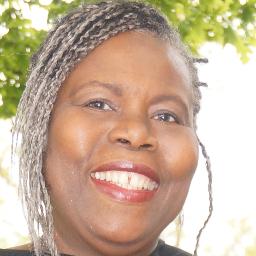
United Kingdom · 11 yrs exp
Stress, Anxiety · Relationship · Family · Self esteem · +14 more
Read profile
United Kingdom · 5 yrs exp
Parenting · Anger · Self esteem · Coping with life changes · +15 more
Read profile
United Kingdom · 9 yrs exp
Stress, Anxiety · Relationship · Family · Trauma and abuse · +7 more
Read profile
United Kingdom · 5 yrs exp
Stress, Anxiety · Relationship · Family · Trauma and abuse · +15 more
Read profile
United Kingdom · 5 yrs exp
Stress, Anxiety · Grief · Self esteem · Depression · +15 more
Read profile
United Kingdom · 9 yrs exp
Stress, Anxiety · Family · Self esteem · Depression · +14 more
Read profile
United Kingdom · 7 yrs exp
Stress, Anxiety · Relationship · Family · Self esteem · +5 more
Read profile
United Kingdom · 5 yrs exp
Stress, Anxiety · Trauma and abuse · Self esteem · Coping with life changes · +15 more
Read profile
United Kingdom · 3 yrs exp
Stress, Anxiety · Depression · Coping with life changes · Addictions · +10 more
Read profile
United Kingdom · 8 yrs exp
Stress, Anxiety · Relationship · Anger · Self esteem · +5 more
Read profile
United Kingdom · 7 yrs exp
Stress, Anxiety · LGBT · Relationship · Depression · +11 more
Read profile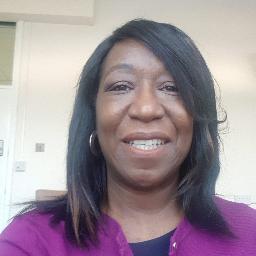
United Kingdom · 20 yrs exp
Stress, Anxiety · Trauma and abuse · Grief · Anger · +13 more
Read profileThe phrase "therapist of colour" is used to describe counsellors and psychotherapists from racially minoritised backgrounds who bring culturally informed perspectives to their practice. For many people, being seen by a practitioner who shares aspects of cultural background, language or lived experience can change the therapeutic relationship. This does not guarantee any particular outcome, but it can influence how cultural themes are recognised, discussed and explored in therapy. In the UK context these conversations often intersect with histories of migration, post-colonial dynamics, faith traditions, family expectations and the everyday realities of racism and microaggressions.
Choosing a therapist of colour is one route to finding someone who may more readily understand cultural reference points, idioms and community pressures that shape your experience. It also matters because cultural differences can affect disclosure, trust and the kinds of interventions that feel acceptable. You should expect a practitioner who focuses on cultural issues to attend to the social and systemic forces that influence personal distress, while also addressing immediate emotional and relational needs.
Identity is rarely a single factor. Gender, sexuality, socio-economic background, immigration status and faith all interact with race to create unique experiences. Therapists who specialise in culturally informed work often adopt an intersectional lens, exploring how different aspects of who you are shape your relationships and wellbeing. In a therapeutic setting you can examine how societal attitudes and personal history combine, and work on strategies that are meaningful within your cultural framework.
You might seek a therapist of colour if you feel race or culture is central to the issues you want to address and you would prefer to speak with someone who recognises those dynamics from the outset. Common reasons include coping with racist incidents at work or in public, feeling isolated within your family because of differing cultural expectations, navigating identity during migration or second-generation experiences, or processing intergenerational trauma and loss. If previous therapy felt dismissive of cultural themes or if you regularly explain cultural contexts rather than being understood, a practitioner who foregrounds culture may feel more relevant to your needs.
Other signs include persistent questions about belonging, recurring conflicts between personal values and family expectations, distress related to language or accent, and difficulties forming relationships because of cross-cultural misunderstandings. You may also be looking for someone who can work with cultural forms of grief, stigma around mental health, or faith-based concerns in ways that honour those frameworks. In short, if culture, race or community are central to your experience of distress, seeking a therapist of colour can be a practical choice that puts those topics at the centre of the work.
Cultural awareness matters when it shapes how you understand yourself and how others treat you. It is relevant when cultural values influence how emotions are expressed, when family roles determine responsibilities, or when identity is a site of conflict. Knowing that your practitioner will consider these factors can make it easier to explore sensitive material without spending sessions translating your experience.
Therapy that foregrounds race and culture often begins with an open conversation about what matters to you. Your practitioner will usually ask about life history, family background, and the cultural contexts that influence current concerns. Together you will identify goals that respect your cultural values and day-to-day realities. Sessions are typically collaborative and paced according to your needs - some people focus on deep meaning and identity work, while others seek coping strategies for distressing events.
You can expect space to describe incidents of discrimination or alienation and to process the emotional impact of those experiences. Therapists who work with cultural themes also explore strengths and sources of resilience within your community and family. This might involve discussing community resources, culturally specific healing practices, or communication strategies to navigate difficult conversations with relatives or colleagues. Where appropriate, practitioners may suggest ways to work with wider systems, such as employers or educational settings, while respecting boundaries and information-sharing boundaries.
Sessions may vary in length and frequency depending on your goals. Some people prefer short-term focused work, while others benefit from longer-term exploration of identity and intergenerational patterns. If language is important to you, many listings note which languages a therapist speaks. You may also find practitioners who describe experience working with particular cultural communities. It is common and reasonable to ask about a therapist's experience with race-related issues and their approach to cultural difference before you begin.
There is no single method that defines culturally informed therapy. Practitioners draw on a range of approaches and adapt them to fit cultural contexts. You will find therapists who list psychodynamic approaches among their methods, which can help you explore how family history and cultural narratives have shaped patterns of relating. Others list cognitive-behavioural frameworks that focus on changing patterns of thinking and behaviour in ways that respect cultural values. Narrative approaches are frequently used to help you re-author stories about identity and to separate personal worth from societal messages.
Some practitioners incorporate trauma-informed perspectives when dealing with race-related trauma or migration-related grief. You may also encounter therapists who list expressive therapies, systemic family work, or community-oriented programmes among their approaches. When profiles mention specific modalities such as EMDR, they are indicating an approach some therapists include in their work; that does not guarantee particular qualifications in that method. What matters most is how an approach is adapted to your cultural frame and whether it feels relevant to your goals.
Adaptation often means attending to culturally specific communication styles, spiritual beliefs, and family roles. It can also involve integrating community strengths and traditions into therapeutic plans. Therapists who emphasise cultural competence will aim to balance professional boundaries with sensitivity to culturally meaningful practices, ensuring that interventions feel respectful and practical for your life.
Online therapy has expanded access to therapists across the UK, making it easier to connect with counsellors who share language, cultural background or specific experience. Video and phone sessions allow you to meet someone who might not be local, while written messaging can offer an alternative for people who find verbal disclosure difficult. Online work follows similar principles to in-person therapy - you establish goals, agree session frequency and work on practical strategies - but it also introduces considerations such as technology, time zones and the setting in which you choose to meet.
When choosing a therapist of colour, review profiles for relevant details such as approaches, registration and languages. Many counsellors list their professional registration with bodies like the BACP, HCPC or NCPS; checking registration can reassure you that they adhere to recognised professional standards. Read profile descriptions to understand how a therapist frames cultural work and whether they mention experience with the specific issues you face. It is reasonable to contact a practitioner to ask about their experience with race-related matters, communication style and how they work with cultural or faith-based concerns.
Think about what matters most to you - shared cultural background, language, therapeutic approach, or experience with a particular life stage. Consider the format that suits you best, whether online or face-to-face, and whether you prefer short-term focused work or open-ended counselling. Be mindful of logistics such as fee structures and session length, and take note of how a practitioner describes their therapeutic stance. Trusting your response to a profile and any initial conversation is part of the decision-making process; a good match is often one where you feel heard, respected and able to explore difficult material in a way that aligns with your values.
Ultimately, finding a therapist of colour is about connecting with someone who understands, or is willing to learn about, the cultural dimensions of your life. Use the directory to compare profiles, read about approaches and professional registration, and choose a practitioner whose description resonates with your needs and goals. Whether you seek help for an acute issue, long-standing patterns, or identity exploration, culturally informed counselling can offer a space to work through experiences that are shaped by race and culture while building strategies that fit your daily life.