
Paula Ciocirlau
BACP· Accepting clientsUnited Kingdom · 8 yrs exp
Stress, Anxiety · Relationship · Parenting · Career · +16 more
Read profileThe therapy listings are provided by BetterHelp and we will earn a commission if you use our link - at no cost to you.
Accessing therapy in Romanian can help you express emotions, memories and cultural experiences more naturally. Browse the Romanian-speaking therapists below to view counsellors who communicate in Romanian and learn about their approaches and qualifications.
United Kingdom · 8 yrs exp
Stress, Anxiety · Relationship · Parenting · Career · +16 more
Read profile
United Kingdom · 11 yrs exp
LGBT · Relationship · Trauma and abuse · Grief · +10 more
Read profile
United Kingdom · 14 yrs exp
Stress, Anxiety · Trauma and abuse · Grief · Eating · +14 more
Read profile
United Kingdom · 7 yrs exp
Stress, Anxiety · Self esteem · Depression · Coping with life changes · +8 more
Read profile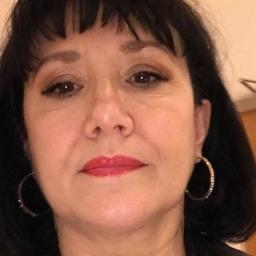
United Kingdom · 13 yrs exp
Stress, Anxiety · Relationship · Trauma and abuse · Self esteem · +8 more
Read profile
United Kingdom · 8 yrs exp
Stress, Anxiety · Addictions · Trauma and abuse · Self esteem · +16 more
Read profile
United Kingdom · 6 yrs exp
Stress, Anxiety · Relationship · Family · Trauma and abuse · +12 more
Read profile
United Kingdom · 4 yrs exp
Relationship · Family · Depression · Coping with life changes · +11 more
Read profile
United Kingdom · 3 yrs exp
Stress, Anxiety · Relationship · Grief · Self esteem · +1 more
Read profile
United Kingdom · 6 yrs exp
Stress, Anxiety · Grief · Parenting · Depression · +11 more
Read profile
United Kingdom · 8 yrs exp
Stress, Anxiety · Relationship · Grief · Self esteem · +1 more
Read profile
United Kingdom · 7 yrs exp
Stress, Anxiety · Addictions · Trauma and abuse · Eating · +16 more
Read profile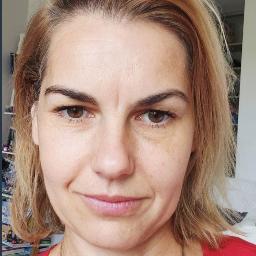
United Kingdom · 15 yrs exp
Stress, Anxiety · Relationship · Family · Self esteem · +16 more
Read profile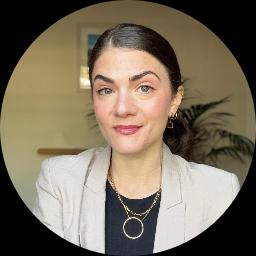
United Kingdom · 4 yrs exp
Stress, Anxiety · Family · Grief · Self esteem · +12 more
Read profile
United Kingdom · 5 yrs exp
Stress, Anxiety · Trauma and abuse · Career · Coping with life changes · +14 more
Read profile
United Kingdom · 6 yrs exp
Stress, Anxiety · Trauma and abuse · Grief · Self esteem · +13 more
Read profile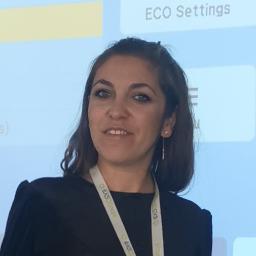
United Kingdom · 10 yrs exp
Stress, Anxiety · Relationship · Family · Grief · +4 more
Read profile
United Kingdom · 6 yrs exp
Stress, Anxiety · Relationship · Family · Intimacy-related issues · +11 more
Read profile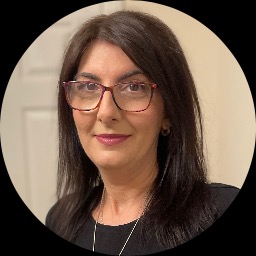
United Kingdom · 22 yrs exp
Stress, Anxiety · Addictions · Eating · Parenting · +13 more
Read profile
United Kingdom · 10 yrs exp
Stress, Anxiety · Relationship · Trauma and abuse · Compassion fatigue · +15 more
Read profile
United Kingdom · 3 yrs exp
Relationship · Family · Trauma and abuse · Grief · +15 more
Read profile
United Kingdom · 12 yrs exp
Stress, Anxiety · Relationship · Grief · Depression · +6 more
Read profile
United Kingdom · 3 yrs exp
Addictions · Relationship · Family · Trauma and abuse · +13 more
Read profile
United Kingdom · 10 yrs exp
Relationship · Family · Grief · Intimacy-related issues · +11 more
Read profileWhen you speak in your native Romanian during therapy, words and expressions that carry emotional weight come more easily. Language shapes how you name feelings, recall events and describe relationships. For many people, subtle differences in tone, idiom and cultural references are central to feeling understood. Working with a counsellor who speaks Romanian can reduce the extra effort of translation - whether that effort is literal or internal - so you can focus more directly on what you want to work on.
Romanian has phrases and culturally embedded ways of describing family ties, shame, pride and grief that may not translate neatly into English. Being able to use those phrases in session helps you convey nuance and depth. It also means your counsellor can respond in ways that resonate with your cultural background. That can be particularly important if your concerns are tied to family dynamics, migration experiences or intergenerational differences within Romanian-speaking communities.
If you are not able to communicate fully in the language of the therapist, misunderstandings can occur more easily. You might omit details, simplify complex feelings or choose words that feel less accurate. Over time that can make the work feel less effective because important layers are left unexplored. When you switch between languages in the same session, you may also find that different memories or aspects of yourself come forward depending on the language you use. Being able to remain in Romanian reduces that friction and allows a fuller, more coherent narrative to emerge.
Language barriers can also shape the practical rhythm of sessions. You may need extra time to explain cultural references or to negotiate meanings, and that can change the pace and focus of work. When you and the counsellor share Romanian, you save time on clarification and leave more room for reflection and exploration. That said, being understood is not only about language. It is also about the counsellor’s familiarity with cultural norms, values and the social context that matter to you.
Online therapy with a Romanian-speaking counsellor typically mirrors the structure of in-person work while offering some practical differences. Sessions are usually scheduled for a set length and follow an agreed rhythm, allowing you to set goals, reflect on progress and explore current issues. You can expect to have conversations in Romanian, to work through events and feelings, and to develop strategies or insights that suit your circumstances. Many people find that speaking in their native language in an online setting feels intimate and effective because it removes the stress of navigating another language.
You will want to choose a quiet space for sessions and check that your internet connection supports reliable video calls if you prefer face-to-face contact online. Some counsellors also offer telephone or messaging options, which can suit different needs. Before starting, it is reasonable to read a counsellor’s profile to understand their way of working, the approaches they list and whether they note experience with issues relevant to you. It is also appropriate to check whether they are registered with recognised UK professional bodies, as this relates to professional standards and ethics.
Many Romanian speakers worry about stigma, both within family circles and wider community networks. Cultural expectations about resilience, privacy and the role of the family can make asking for help feel risky. You may fear being judged, misunderstood or that personal matters could be seen differently within your community. Another common concern is simply finding a counsellor who speaks Romanian and understands cultural context - this can feel especially difficult if you live outside a large urban area or are newly arrived in the UK.
For people whose lives span more than one country or language, identity questions often arise in therapy. You might be navigating differences between values held by older and younger generations in your family, or processing the stress of adapting to a new society while maintaining ties to Romanian culture. Counselling in Romanian can make it easier to discuss these tensions and to find ways of honouring both your cultural background and the life you are building now.
Online therapy widens the pool of counsellors you can consider because geography becomes less of a barrier. You can connect with Romanian-speaking practitioners who are based in different parts of the UK, which increases the chances of finding someone whose approach, experience and style suit you. Flexibility in scheduling and the option to meet from your home can also reduce practical obstacles such as travel time and childcare arrangements. For many Romanian speakers, this combination of linguistic accessibility and convenience is a strong advantage.
When you review profiles, pay attention to how counsellors describe their approach and whom they typically work with. Some list approaches such as cognitive behavioural methods, psychodynamic work or humanistic modalities, and others will note particular areas of focus like loss, trauma, or family relationships. Remember that profiles indicate what a counsellor lists among their approaches rather than formal endorsements, so you can use that information as a starting point for further questions. Consider whether you prefer a counsellor who shares cultural background, dialect or life experience, and whether gender or age matters to you. It is also sensible to check professional registration with recognised UK bodies and to read any notes about fees and session format.
Before beginning, you might prepare a few sentences in Romanian about what brings you to therapy and what you hope to achieve. That helps the counsellor understand your priorities from the first session. If you have concerns about information-sharing boundaries in your home environment during online sessions, think about a quiet room or time when you can speak without interruptions. Finally, trust your sense of how the conversation feels: feeling understood, heard and respected in Romanian is an important indicator that a working relationship could be helpful for you.
Finding a Romanian-speaking counsellor can open up a more direct and culturally attuned therapeutic experience. With online options, you have greater access to practitioners who can work with you in your native language. Use the profiles below to explore different counsellors, read about their approaches and qualifications, and take the next step when you feel ready to begin.